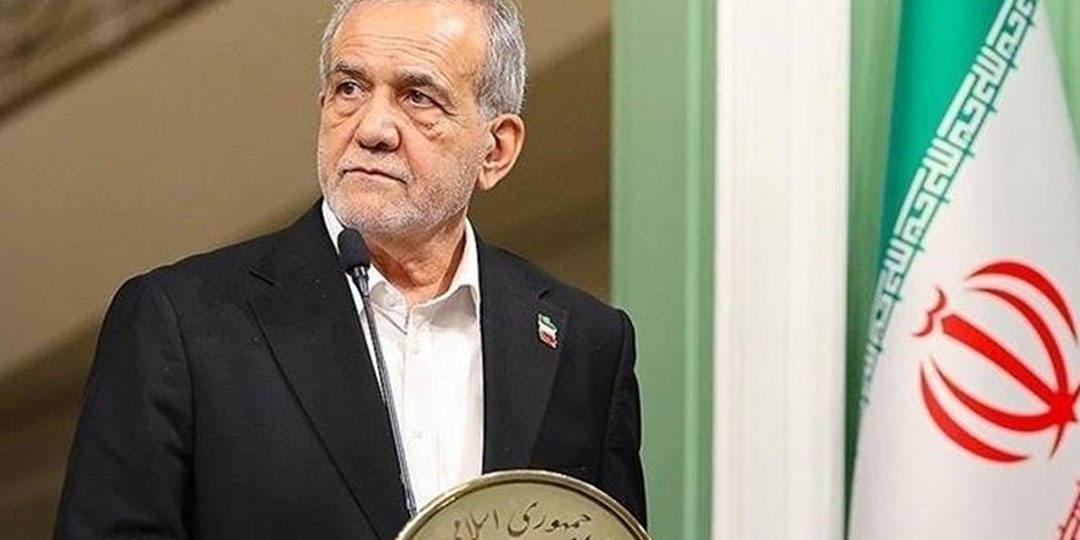

The Iran president, Masoud Pezeshkian, stated Monday that strengthening national security and ensuring public stability remain the country’s top priorities amid rising regional tensions.
He emphasized that diplomacy and defense represent “the two wings of national power,” adding that Iran has neither left the battlefield nor withdrawn from the negotiating table.
Pezeshkian: Diplomacy and Defense Go Hand in Hand
Speaking on the current situation, Pezeshkian said Iran would overcome the present challenge “with unity and rationality,” reaffirming that the country will continue to defend its people’s rights.
He stressed that Tehran would not retreat in the face of threats, framing national security as central to the government’s agenda during this period.
The remarks come as tensions remain elevated across the region, with ongoing political and military rhetoric between several actors.
Pakistan Calls for Diplomatic Resolution
In parallel, Pakistan’s Prime Minister Shehbaz Sharif said his government is working closely with partners to achieve a peaceful diplomatic solution to the conflict.
Sharif urged all sides to exercise restraint and give peace a greater opportunity, expressing hope that efforts are nearing a positive outcome.
His comments reflect broader regional calls for de-escalation amid mounting concerns about further instability.
Tasnim Reports Readiness for Prolonged Conflict
Separately, Iran’s Tasnim News Agency, citing a military source, reported that Iran has prepared for a prolonged war and made the necessary arrangements.
According to the report, Tehran is ready to respond to any targeting of its interests or those of its allies. The source was quoted as saying that the coming days would demonstrate what he described as miscalculations by Israel and the United States.
The report also stated that Iran would increase the level of escalation if necessary and would not abandon its allies.
Parallel Diplomatic and Military Messaging
Recent developments highlight parallel tracks of diplomacy and military signaling.
Key points include:
– Iran president reaffirming national security as a priority.
– Commitment to both negotiations and defense readiness.
– Pakistan calling for restraint and peaceful resolution.
– Iranian media reporting preparations for long-term confrontation.
These statements illustrate the complex dynamics shaping the current regional environment.
Conclusion:
The Iran president’s remarks underscore Tehran’s focus on national security while maintaining engagement in diplomatic efforts. As regional actors call for restraint and media reports signal military preparedness, the trajectory of the crisis will depend on both political negotiations and developments on the ground.