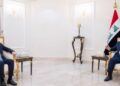
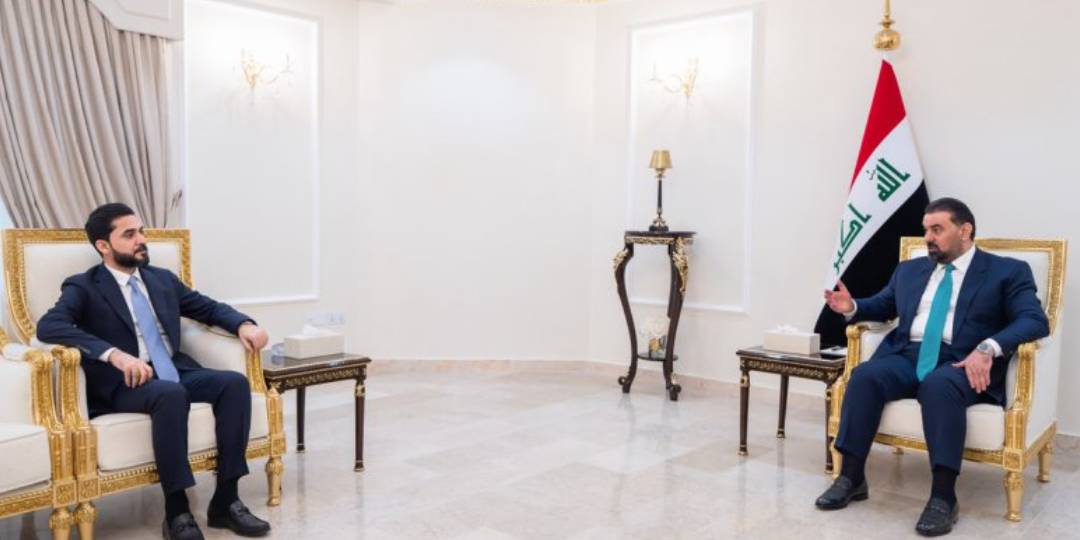

Speaker of the Iraqi Council of Representatives Hebat Al-Halbousi convened two separate official meetings on Tuesday, October 20, 2026, receiving Minister of Labor and Social Affairs Mohammed Raad Al-Mousawi and Minister of Planning Qutaiba Ghazi at his office in Baghdad.
The high-level discussions centered on strategic measures to upgrade social protection and welfare programs, broaden cash assistance allocations for low-income households, and improve institutional performance across public sector bodies to implement government development plans effectively.
The legislative leadership emphasized the importance of aligning parliamentary oversight with executive branch programs, ensuring that statutory state budgets directly alleviate poverty, support vulnerable citizens, and stimulate long-term economic growth throughout Iraqi governorates.
Expanding Social Protection and Welfare Programs for Vulnerable Citizens
According to an official statement released by the Media Office of the Speaker of Parliament, the meeting between Al-Halbousi and Labor Minister Mohammed Raad Al-Mousawi reviewed the ministry’s executive roadmap for the upcoming period. Discussions focused on enhancing field research methodologies, modernizing electronic cross-referencing systems, and expanding social safety net rosters to include additional impoverished families, widows, orphans, and individuals with disabilities.
Speaker Al-Halbousi reaffirmed that Parliament prioritizes social solidarity files, noting that legislative committees remain fully prepared to enact necessary statutory amendments and secure financial allocations within national budgets. He stated that delivering reliable financial assistance directly protects societal stability and establishes a dependable safety network for disadvantaged segments of the population.
Strategic Objectives of the Labor and Welfare Collaboration
– Expanding monthly cash grant distributions to impoverished families based on poverty index mappings.
– Upgrading electronic verification networks to eliminate ineligible recipients and direct public funds to verified beneficiaries.
– Promoting specialized vocational training programs and concessional micro-loans to help unemployed citizens launch small businesses.
– Modernizing disability rights legislation and public welfare statutes to adapt to changing living expenses.
Upgrading Institutional Performance with the Ministry of Planning
In his subsequent consultation with Minister of Planning Qutaiba Ghazi, Speaker Al-Halbousi addressed mechanisms to enhance institutional productivity, upgrade public administration standards, and monitor capital investment projects across Iraqi provinces.
The Speaker stressed the essential role of the Ministry of Planning in steering financial capital toward vital municipal infrastructure, water networks, and school construction. He noted that close collaboration between legislative committees and planning directors ensures efficient expenditure of public revenues while preventing project delays that have historically hindered municipal development.
Priorities for National Development and Capital Execution
– Utilizing verified district poverty indicators as the foundational metric for allocating development funds.
– Accelerating national statistical census evaluations to inform evidence-based economic and social policies.
– Conducting rigorous technical audits on provincial municipal projects to hold non-performing contractors accountable.
– Harmonizing university educational output with private sector market requirements to lower youth unemployment rates.
Legislative and Executive Synergy for Economic Stability
The dual meetings reflect Parliament’s proactive approach to coordinating closely with executive ministries, connecting legislative welfare initiatives directly with national development planning. This unified approach establishes an operational balance between providing immediate relief for vulnerable citizens and creating long-term economic opportunities through infrastructure investment.
Public policy analysts observe that regular coordination between parliamentary committees and the ministries of labor and planning helps create realistic policy frameworks that address everyday living standards. Ensuring institutional transparency and equitable resource allocation remains central to maintaining civic trust, reducing regional economic disparities, and preserving domestic stability across the country.
Conclusion:
The consultations conducted by Speaker Hebat Al-Halbousi with the Ministers of Labor and Planning underscore a sustained commitment to institutional reform that links social protection and welfare programs with disciplined capital investment. By uniting legislative and executive efforts, Iraqi state institutions continue building a responsive governance model that shields vulnerable citizens while advancing comprehensive national development.