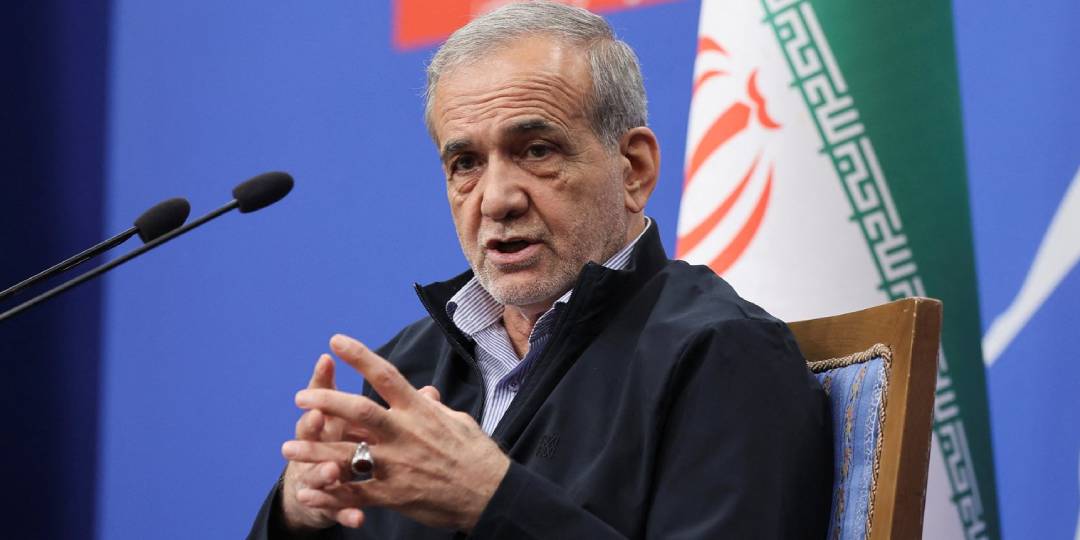

Iran’s military and political leadership issued a series of defiant statements Sunday amid escalating tensions over nuclear negotiations and control of the Strait of Hormuz. Iranian Army Commander Amir Hatami declared readiness for confrontation, stating forces would fight “to the last drop of blood” while maintaining fingers on triggers and ears open to orders. Simultaneously, President Masoud Pezeshkian sought to position Iran as defensive actor rather than aggressor, stating the nation does not seek to expand war and has not attacked any country. The competing messages reflect internal tensions between hardline military rhetoric and official diplomatic positioning as negotiations between Tehran and Washington in Islamabad approach collapse over nuclear program demands.
The escalating rhetoric coincides with critical juncture in temporary ceasefire agreement, with only four days remaining in two-week arrangement negotiated through Pakistani mediation. Direct negotiations have reached impasse over Iranian nuclear program, with Trump administration demanding Iran surrender enriched uranium while Iranian leadership refuses to relinquish nuclear capabilities considered essential to national sovereignty.
Military Readiness Declarations
Army Commander’s Combat Warnings
Iranian Army Commander Amir Hatami declared that military forces stand “ready to confront enemies and make sacrifices” with commitment to fight until victory or death. His statement emphasized military resolve and willingness to maintain active combat posture despite ongoing diplomatic efforts. Hatami’s characterization of forces maintaining “fingers on triggers and ears open to orders” conveys image of military poised for immediate action despite diplomatic processes.
The statement reflects hardline military position skeptical of diplomatic negotiations and prepared for resumed military operations if negotiations collapse or perceived betrayals occur.
Combat Readiness vs. Diplomatic Process
The explicit military readiness statements create tension with simultaneous diplomatic engagement in Islamabad. The dual messaging suggests Iranian leadership hedging positions, appearing simultaneously engaged in negotiations while signaling military capability to resume combat operations at notice. The approach maintains pressure on American negotiators while preserving military option if diplomatic path fails.
Presidential De-escalation Messaging
Denying Aggressive Intentions
President Pezeshkian sought to position Iran as nation defending itself rather than aggressor, stating: “Our fundamental position is based on preserving peace, stability and security in the region.” He specifically denied that Iran seeks to expand the scope of conflict, has initiated any wars or conflicts, or has attacked any country. The statement represents attempt to distinguish between Iranian military readiness and actual aggressive intent.
Nuclear Rights and Sovereignty
Pezeshkian asserted Iran’s legal and legitimate right to self-defense while refusing Trump administration demands to abandon nuclear program. He rejected Trump’s authority to prevent Iran from exercising nuclear rights, stating: “Trump has no right to prevent a nation from its rights and say that Iran cannot benefit from its nuclear rights.”
The statement indicates Iranian unwillingness to accept American demands for uranium surrender, presenting nuclear capabilities as sovereign right rather than negotiable matter.
Enemy Responsibility for Conflict
Pezeshkian attributed conflict escalation to enemy actions, stating: “The enemy failed in achieving its objectives and violated international laws and attacked infrastructure, schools and hospitals.” He characterized statements about destroying Iranian civilization and returning Iran to the Stone Age as evidence of aggressor intentions and objectives.
The attribution strategy seeks to position Iran as responding to aggression rather than initiating conflict, framing military readiness as defensive necessity rather than offensive ambition.
Parliament Speaker’s Hormuz Control Assertions
Hormuz Strait Control Threats
Parliament Speaker Muhammad Baqer Qalibaf warned that Iran would impose restrictions on maritime navigation through the Strait of Hormuz if American “practices” continued. He asserted that control of the strait rests firmly in Iranian hands and threatened to prevent navigation if confrontations continue.
Qalibaf’s statement directly challenged American naval operations in the strait and asserted Iranian right to restrict passage as response to perceived violations of ceasefire terms.
Alleged American Violations
Qalibaf claimed Iranian naval forces confronted American minesweeping vessel coinciding with Islamabad negotiations, characterizing the American operation as violation of ceasefire agreement. He stated Iranian forces repelled the American attempt, asserting that Iran would not permit others to use the strait while Iran itself remains blocked.
The narrative frames Iranian control assertions as defensive responses to American violations rather than independent Iranian restrictions.
Untapped Military Capabilities
Qalibaf suggested Iran maintains substantial military capabilities not yet employed, stating: “A portion of our geostrategic capabilities from the Strait of Bab al-Mandab to other areas has not been used yet.” The statement implied Iran could escalate military operations in multiple strategic locations if negotiations fail or confrontations intensify.
Iraqi Leadership Engagement and De-escalation Efforts
Baghdad Emphasis on Dialogue
Iraqi President Nizar Alameedi received Iranian Ambassador Muhammad Kazem Ale Sadegh Sunday, emphasizing importance of continued dialogue and preventing regional war dangers. The Iraqi statement indicated Baghdad’s interest in maintaining diplomatic channels and preventing escalation that could engulf Iraq in renewed conflict.
Mutual Interests in Stability
The Iraqi-Iranian discussion addressed bilateral relations and regional security developments. Iraqi emphasis on dialogue and crisis de-escalation reflects Baghdad’s position as buffer state vulnerable to renewed Middle East conflict that could directly affect Iraqi territory and interests.
Negotiations Deadlock and Nuclear Stalemate
Fundamental Nuclear Disagreement
Negotiations in Islamabad have reached impasse over core nuclear issue. Trump administration demands Iranian surrender of enriched uranium and complete cessation of nuclear enrichment, while Iranian leadership insists nuclear program constitutes sovereign right and essential security guarantee.
The deadlock reflects unbridgeable gap between American demand for Iranian denuclearization and Iranian assertion that nuclear capabilities represent fundamental national security requirement.
Ceasefire Countdown
The two-week temporary ceasefire negotiated through Pakistan concludes within four days, with minimal progress toward comprehensive agreement. The approaching deadline creates pressure on negotiators while military rhetoric suggests both sides preparing for potential renewed conflict if diplomatic solution fails.
Trumpet Administration Threats
Trump announced that Iran refuses to abandon nuclear program, prompting him to order naval blockade of Iranian ports and prevention of any vessels transporting Iranian oil. The blockade represents escalation despite temporary ceasefire agreement, suggesting American willingness to resume military pressure if negotiations fail to produce uranium surrender agreement.
Hormuz Strait Strategic Significance
Global Oil Transit Route
The Strait of Hormuz remains one of world’s most critical maritime passages, with approximately 20 million barrels of petroleum transiting daily in peacetime conditions. Any sustained closure or restriction affects global oil markets significantly, having already pushed prices above $120 per barrel amid conflict uncertainty.
Control Disputes and Restrictions
Iranian assertions of strait control and threat to restrict navigation represent fundamental challenge to American and international insistence on freedom of navigation. The dispute over strait access and potential tolls remains unresolved core issue in negotiations, with major powers insisting on toll-free passage while Iran claims right to control passage through waters it borders.
Competing Narratives and Strategic Signaling
Military vs. Diplomatic Positioning
The contrasting statements from Iranian military commander and president represent classic division between hardline military actors skeptical of negotiated settlements and political leadership attempting diplomatic solutions. The dual messaging allows Iranian leadership to maintain pressure on American negotiators while preserving military option and domestic credibility with hardline constituencies.
Internal Iranian Dynamics
The willingness of Iranian military to issue explicit combat readiness statements despite presidential efforts at de-escalation suggests limited control over military communications or intentional strategic division designed to complicate American decision-making. The uncertainty regarding internal Iranian consensus strengthens negotiating position by creating ambiguity regarding willingness to resume conflict.
Timeline Pressures and Negotiation Future
Four-Day Ceasefire Remainder
The temporary ceasefire expires in four days, creating artificial deadline pressure on negotiators. However, both sides have demonstrated willingness to extend temporary arrangements, suggesting that expiration may not automatically trigger resumed military operations.
Extended Negotiations or Conflict
The fundamental disagreement over uranium surrender appears unresolvable within remaining ceasefire period. Either negotiators must achieve breakthrough agreement, agree to extend ceasefire despite unresolved issues, or resume military confrontation following ceasefire expiration.
American Escalation Strategy
Trump administration’s simultaneous blockade orders and deadline threats suggest American strategy of maximizing pressure while maintaining negotiating option. The approach attempts to coerce Iranian concessions on nuclear program while preserving possibility of negotiated settlement if Iran demonstrates willingness to surrender uranium.
Conclusion:
Iran’s military and political leadership issued contrasting statements Sunday reflecting deep disagreements over nuclear negotiations and military preparedness. Army Commander Hatami’s combat readiness declarations and Parliament Speaker Qalibaf’s Hormuz strait control threats contrast with President Pezeshkian’s assertions that Iran does not seek war expansion and defends itself legally and legitimately. The competing rhetoric reflects internal tensions between hardline military actors skeptical of negotiations and political leadership attempting diplomatic solutions despite military readiness. Iraqi efforts to mediate and emphasize dialogue indicate regional concern regarding potential renewed conflict if American-Iranian negotiations fail. The approaching expiration of temporary ceasefire in four days creates artificial deadline pressure while fundamental disagreements over nuclear uranium remain unresolved. Iranian military assertions combined with American blockade orders and Trump’s stated willingness to resume bombing suggest both sides preparing for potential resumed military operations even as diplomatic negotiations continue. The uncertain trajectory toward either comprehensive agreement or renewed conflict reflects both parties’ unwillingness to compromise on core interests regarding nuclear program control and Middle East regional influence.