
The escalation of the Middle East conflict has claimed significant casualties among Iranian diplomatic personnel, according to Tehran’s official complaint to the United Nations. Iran accused Israel on March 10 of deliberately striking the Ramada Hotel in Beirut on March 8, killing four Iranian diplomats. Simultaneously, the humanitarian toll continues to mount across the region, with Lebanon registering nearly 760,000 displaced persons since the outbreak of hostilities between Israel and Hezbollah. The same evening, explosions shook the Iranian capital Tehran, adding to mounting evidence of the conflict’s widening geographic scope and deepening impact on civilian populations.
Iran Accuses Israel of Killing Four Diplomats
Iran’s permanent mission to the United Nations formally accused Israel of carrying out a “deliberate terrorist attack” against the Ramada Hotel in Beirut. According to Tehran’s statement, the strike on March 8 resulted in what Iran characterized as the “assassination and martyrdom of four diplomats of the Islamic Republic of Iran.” The diplomats were among Iranian personnel stationed in Lebanon as part of Iran’s broader diplomatic and strategic presence in the country. The deaths represent a significant escalation in the conflict’s targeting of government officials and represent a direct attack on Iranian state representatives conducting official duties.
The incident marks a notable shift in the scope of targeting, extending beyond military installations to civilian diplomatic facilities and personnel. Iran’s formal complaint to the UN reflects the severity Tehran assigns to the incident and its assertion that international law governing diplomatic immunity has been violated.
Lebanon Registers Nearly 760,000 Displaced Persons
The humanitarian crisis intensifies as Lebanon’s government documented a staggering displacement toll from the ongoing hostilities. Lebanon’s disaster management unit reported that nearly 760,000 people had registered as displaced since the outbreak of the current war between Israel and Hezbollah. The government registration figure reached 759,300 individuals, with 122,600 people currently sheltering in government-provided facilities.
The massive displacement represents one of the largest humanitarian emergencies in the region in recent years. Many of the displaced persons fled their homes in southern Lebanon and other areas affected by intense military operations. The concentration of displaced persons in government shelters underscores the strain on Lebanon’s already fragile infrastructure and social services, as the country grapples with the simultaneous effects of economic collapse, political instability, and active warfare.
Explosions Strike Tehran as Conflict Spreads
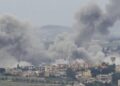
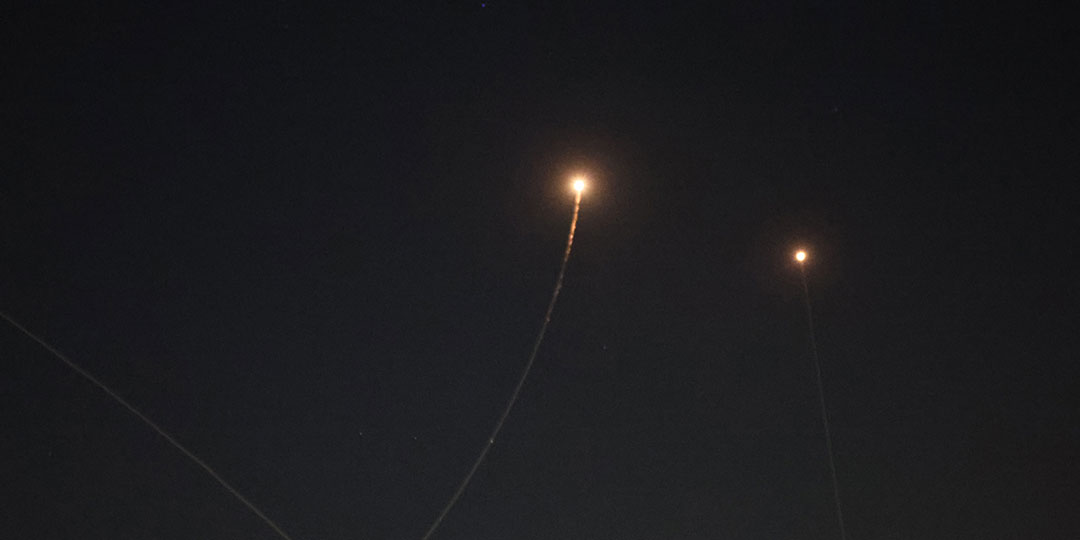
Compounding the deteriorating security situation, explosions rocked the Iranian capital on the evening of March 10. AFP journalists based in Tehran reported hearing three distinct explosions throughout the city, with the blasts powerful enough to shake windows in an apartment located in northern Tehran. The incident occurred more than a week into the Middle East conflict that began with US-Israeli strikes against Iran.
There was no immediate information available regarding the intended targets of the explosions or their origin. The incidents added to mounting tensions in the Iranian capital and underscore the expanding geographic reach of military operations beyond traditional conflict zones. Residents reported significant concern regarding the security implications of strikes penetrating into the heart of Tehran’s civilian areas.
Escalating Regional Toll
The convergence of these three events on a single day illustrates the accelerating pace of the conflict and its deepening humanitarian and security consequences. The killing of Iranian diplomats in Beirut, the mass displacement in Lebanon, and explosions in Tehran collectively demonstrate that the war has transcended localized military engagements and now affects civilian populations, diplomatic personnel, and major urban centers across multiple countries.
Iran’s formal protest to the United Nations regarding the deaths of its diplomats reflects the international dimensions of the conflict, while the scale of Lebanese displacement underscores the civilian cost of the hostilities. The explosions in Tehran suggest that Iranian territory itself is becoming increasingly vulnerable to military operations that penetrate its airspace and reach population centers.
Conclusion:
The events of March 10, 2026, demonstrate the escalating severity of the Middle East conflict now in its second week. The deaths of four Iranian diplomats in Beirut, combined with nearly 760,000 registered displaced persons in Lebanon and explosions in Tehran, illustrate the conflict’s expansion beyond military targets to encompass diplomatic facilities, civilian populations, and national capitals. The convergence of these incidents on a single day reflects the war’s rapid intensification and its increasingly devastating humanitarian impact across the region. International responses to these developments remain critical as the conflict continues to spread geographically and deepen in scope.