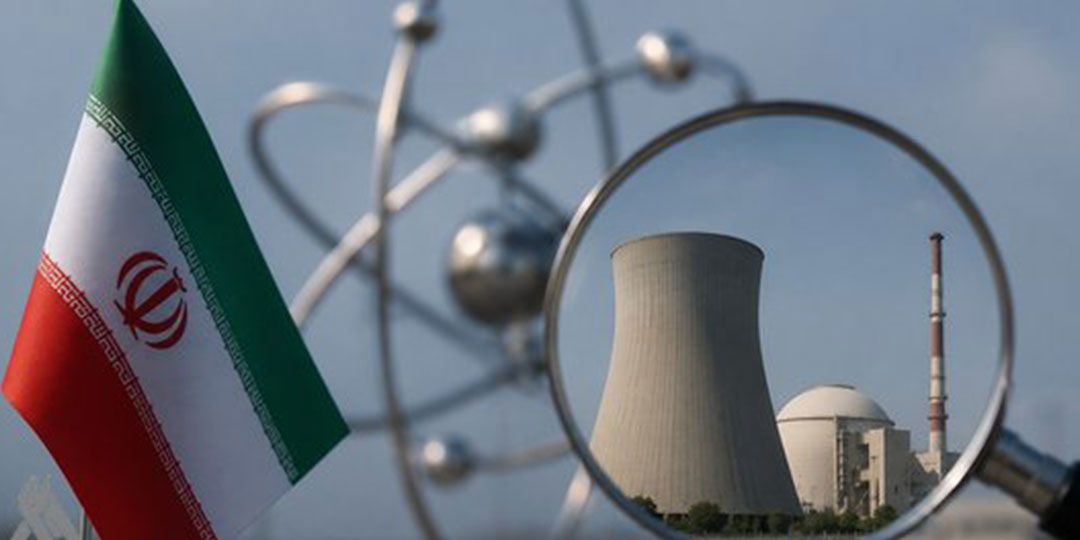

IAEA Iran nuclear monitoring efforts must resume urgently, Director General Rafael Grossi said Friday, stressing that inspectors need to return to the country to conduct on-site verification of the nuclear program.
Grossi stated that the agency’s return to Iran is essential for carrying out a technically accurate and professional assessment of developments related to Tehran’s nuclear activities.
Grossi: On-Site Inspections Are Essential
Grossi explained that the International Atomic Energy Agency requires direct access to facilities in order to fulfill its inspection and oversight responsibilities.
He said the agency currently assumes that Iran’s enriched uranium stockpile remains at the site that was targeted last year. However, he emphasized that confirming this assessment requires inspectors to access the relevant locations and carry out field inspections.
Without such access, the agency cannot independently verify the current situation on the ground, he added.
“Total Loss of Visibility” Over Uranium Stockpile
In a separate statement, the IAEA confirmed that recent military attacks have disrupted its monitoring activities, resulting in what it described as a total loss of visibility regarding the current status of Iran’s enriched uranium stockpile.
The agency said it does not currently have the ability to verify whether uranium enrichment or reprocessing activities have been halted.
According to the statement, the current situation represents an unprecedented challenge to nuclear monitoring and verification efforts in Iran.
Limited Access for Inspectors
The IAEA noted that Iranian authorities have not allowed its inspectors access to any nuclear facility except the Bushehr nuclear power plant.
It also stated that unresolved issues concerning undeclared nuclear sites and materials in Iran remain outstanding.
The agency reiterated that Iran remains the only non-nuclear-weapon state to have accumulated uranium enriched to levels of up to 60 percent, a figure that continues to draw international attention.
Broader Implications
The interruption of IAEA Iran nuclear monitoring comes amid heightened regional tensions and renewed scrutiny of Tehran’s nuclear activities.
Key concerns highlighted by the agency include:
– Total loss of visibility over enriched uranium stockpiles.
– Inability to confirm whether enrichment has stopped.
– Restricted inspector access to nuclear facilities.
– Unresolved questions about undeclared sites and materials.
The IAEA has consistently emphasized that transparency and inspector access are critical for maintaining international confidence in the peaceful nature of nuclear programs.
Conclusion:
The IAEA’s call to resume activities inside Iran underscores growing international concern over the current monitoring gap. As long as inspectors remain unable to access key sites, questions surrounding Iran’s enriched uranium stockpile and nuclear activities are likely to persist.