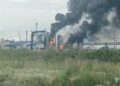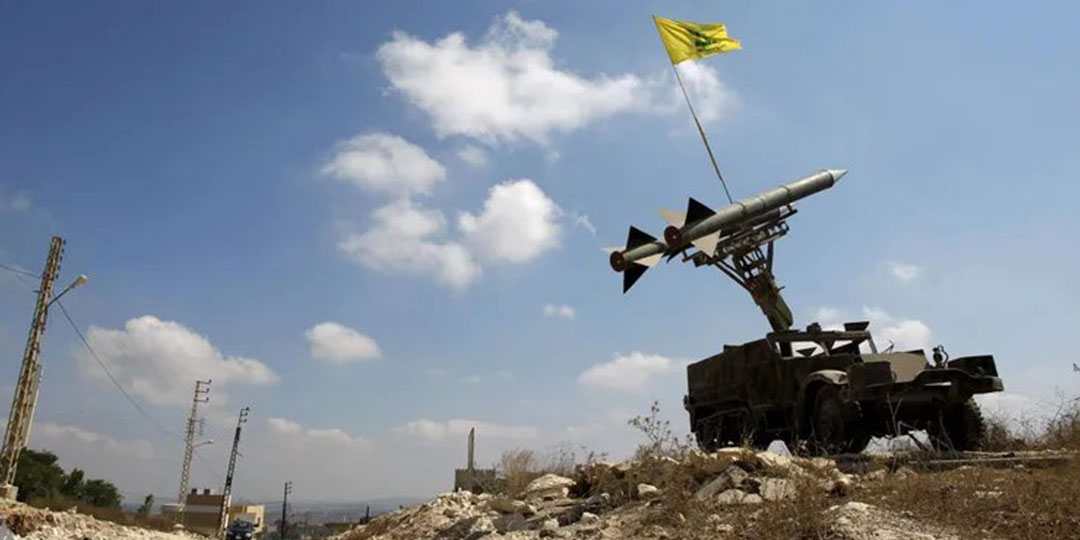

Hezbollah announced on Wednesday a series of extensive military operations targeting multiple Israeli settlements and military positions with guided rocket strikes. The organization stated it “targeted settlements of Nahariya, Kiryat Shmona, Kfar Blum, and Malkiyya, as well as Israeli military concentrations and artillery positions in villages of Kafr Kla and Biyadha in southern Lebanon.” The group claimed a “confirmed hit” on an Israeli military force inside a house in Kafr Kla village using guided rockets, demonstrating precision targeting capabilities.
Concurrently, the New York Times reported that Israel is studying a short-term ceasefire in Lebanon, citing three Israeli officials who confirmed discussions on halting the conflict with Hezbollah. However, the Israeli government has not formally signed onto the proposed ceasefire, with discussions remaining unsettled. In parallel developments, Lebanon filed a new UN complaint regarding April 8 Israeli airstrikes, describing them as “the most severe since March 2,” resulting in 303 deaths and over 1,150 wounded, predominantly civilians.
Hezbollah Announces Coordinated Rocket Operations
The organization released sequential statements describing military operations. Hezbollah stated it “targeted an Israeli military force inside a house in Kafr Kla village in southern Lebanon with a guided rocket, achieving a confirmed hit.”
The group continued, “We bombarded settlements Nahariya, Kiryat Shmona, Kfar Blum, and Malkiyya with rockets,” and added “We fired a rocket barrage targeting enemy artillery positions newly established in Biyadha village in southern Lebanon.”
Scale and Scope of Military Targeting
The targeting scope encompasses both civilian settlements and military installations, reflecting multi-dimensional operational strategy. Use of guided rockets indicates Hezbollah’s attempt to achieve precision targeting of military objectives.
Israel Studies Short-Term Ceasefire Proposal
The New York Times reported potential diplomatic developments. The publication stated that “the Israeli entity is studying a short-term ceasefire in Lebanon,” citing “three officials in the Israeli entity.”
The officials indicated that “a short-term ceasefire would stop the war against Hezbollah,” but emphasized that “the Israeli government has not yet formally signed the ceasefire, and discussions around it remain unsettled.”
Status of Ceasefire Negotiations
One official noted that “it is possible that the government may discuss it during the security cabinet meeting this evening,” indicating the decision has not yet been finalized at the highest levels.
Nature and Strategic Implications of Proposed Ceasefire
Israel’s study of a short-term ceasefire may represent an attempt to halt ongoing escalation without comprehensive political settlement. Such arrangements typically serve either diplomatic pressure objectives or military strategic calculations for renewed operations.
Gap Between Diplomatic Discussion and Military Reality
The lack of formal Israeli government commitment to ceasefire proposals contrasts sharply with continued military operations by both parties, indicating fundamental disagreements regarding cessation terms.
Lebanon Submits New UN Complaint on Airstrikes
Lebanon escalated international advocacy efforts. The Lebanese Foreign Ministry stated it “requested Lebanon’s delegate to the United Nations to submit an urgent complaint to the Security Council and Secretary General,” regarding “Israeli airstrikes on April 8, 2026.”
Lebanon requested “circulation of the complaint as an official document of the General Assembly and Security Council,” demonstrating efforts to secure international support through formal UN mechanisms.
Legal Framework for International Complaints
Formal UN complaints represent legal mechanisms for documenting alleged violations and requesting international intervention.
Lebanon Characterizes Strikes as “Most Severe Since March”
Lebanon provided precise operational descriptions. The Foreign Ministry stated “this escalation is the most severe since March 2,” with “approximately 100 airstrikes occurring within less than ten minutes.”
The ministry noted that strikes “targeted densely populated residential neighborhoods during peak hours without prior warning, resulting in widespread destruction and hundreds of casualties, predominantly defenseless civilians.”
Bombing Density and Humanitarian Impact
One hundred airstrikes within ten minutes reflects highly coordinated bombing operations with extreme military intensity and concentration.
Documentation of Casualty Figures from April 8 Strikes
Lebanon documented the human cost precisely. The statement indicated “303 deaths, including 30 children and 71 women,” with “1,150 wounded, including 143 children and 358 women.”
These figures demonstrate that civilian populations, particularly children and women, comprised the majority of casualties from the bombing campaign.
Civilian Casualty Composition and Targeting Patterns
The percentage of children and women (101 children and 429 women among total casualties) indicates that defenseless civilians constituted the overwhelming majority of casualties, suggesting strikes targeted residential areas.
Attacks on Medical and Emergency Facilities
Lebanon documented multi-dimensional violations. The statement reported “medical and emergency institutions suffered attacks since March 2, 2026, including 17 attacks on hospitals and 101 attacks on emergency services.”
These attacks resulted in “deaths of 73 paramedics and wounding of 176 others,” representing systematic targeting of emergency personnel.
Violations of International Humanitarian Law Standards
Targeting of hospitals and ambulance services constitutes a flagrant violation of international humanitarian law provisions prohibiting attacks on medical facilities.
Lebanon’s Legal Characterization of Operations
Lebanon framed violations within international legal parameters. The statement emphasized that “these attacks constitute a flagrant violation of principles of international law, the United Nations Charter, and international humanitarian law.”
This language represented Lebanon’s attempt to frame events within recognized international legal frameworks for accountability.
International Legal Basis for Complaints
Lebanese complaints rest on internationally recognized legal texts and principles of international humanitarian law.
Broader Context of Escalating Conflict
These events reflect continued escalation between Hezbollah and Israel since the conflict began on March 2. Israeli bombing operations and Hezbollah rocket operations indicate absence of genuine political solution despite ongoing diplomatic discussions.
The persistence of military escalation alongside diplomatic negotiations reveals the fundamental gap between rhetorical commitments to ceasefire and actual military conduct by both parties.
Military-Diplomatic Disconnect
While Israel studies short-term ceasefire proposals, both parties continue escalating military operations, reflecting divergence between diplomatic language and military reality.
Hezbollah’s Position on Proposed Ceasefire
Hezbollah has not directly commented on Israel’s ceasefire study, but continued rocket operations suggest the organization remains uncommitted to cessation arrangements before achieving military objectives.
The organization’s persistent military campaigns indicate use of rocket strikes as diplomatic pressure tool for improving negotiating position.
Military Operations as Negotiating Leverage
Hezbollah appears to employ military operations strategically to enhance its negotiating position rather than seeking immediate ceasefire.
International Mediation Efforts
The proposal for short-term ceasefire appears linked to international mediation efforts, particularly involvement of Pakistan and France in regional diplomatic initiatives. However, neither Israeli military operations nor Hezbollah’s rocket strikes show evidence of constraint despite these efforts.
Limitations of Mediation Under Conditions of Active Warfare
International mediation efforts face significant obstacles when armed parties continue military operations simultaneously with diplomatic discussions.
Conclusion:
Current developments reflect continued cycling between military escalation and diplomatic discussions without substantive resolution. While Israel studies short-term ceasefire options, both Hezbollah and Israeli forces maintain active military operations resulting in mounting civilian casualties. Lebanon’s appeal to the United Nations through formal complaints represents an attempt to balance military asymmetry with diplomatic pressure, recognizing that its civilian population bears disproportionate costs of conflict. The fundamental question remains whether proposed short-term ceasefire arrangements will evolve toward genuine political settlement or represent merely temporary pause in escalating conflict before renewed military operations.