Hezbollah resistance vow came on Saturday after an Israeli strike in eastern Lebanon killed eight of the group’s fighters. The attacks targeted areas in the Bekaa and Baalbek, according to statements from Hezbollah, Lebanese officials, and the Israeli military.
The escalation raised political tension inside Lebanon at a sensitive moment as the government moves forward with a phased plan to disarm Hezbollah in the south. It also comes amid rising friction between Washington and Tehran.
Israeli strikes kill eight Hezbollah fighters in Bekaa
Lebanon’s health ministry confirmed that ten people were killed in the eastern Bekaa region and two others in the south. Hezbollah said eight of its members were among the dead. A Hezbollah official told AFP that all eight were attending a meeting in the Bekaa when the strike hit the location.
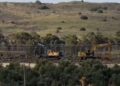
According to the Israeli military, the operation targeted what it described as members of Hezbollah’s missile units inside three command centers in the Baalbek area. AFP correspondents reported severe destruction in parts of Bednayel and in an area between Riyak and Ali al Nahri, where heavy machinery was removing rubble from damaged residential buildings.
Hezbollah calls the strike a massacre
In a televised speech on Al Manar, senior Hezbollah official Mahmud Qamati said the attack represented a new level of aggression against Lebanon. He described the Bekaa strike as a massacre and insisted the group had no choice but to continue resistance in response to Israeli attacks. The remarks repeated a theme heard in a protest held in Beirut on Saturday.
Political fallout in Beirut
Lebanese President Joseph Aoun condemned the attacks and said they were intended to undermine diplomatic efforts backed by the United States and other international partners to stabilize the situation.
The Lebanese government recently confirmed its commitment to dismantling Hezbollah’s military presence in the south. The army announced in January that it had completed the first phase of the disarmament plan near the border area.
Hezbollah lawmakers reject government approach
Hezbollah member of parliament Rami Abu Hamdan criticized the government’s response and warned against treating the attacks as routine incidents timed to precede meetings of the international ceasefire committee. He called on the government to suspend participation in the committee until Israel stops its strikes.
Regional backdrop and rising tensions
The strikes took place amid growing tension between the United States and Iran. US President Donald Trump recently warned that Washington might consider military action over Iran’s nuclear program. Tehran supports several armed factions across the region including Hezbollah and Hamas.
In southern Lebanon an Israeli strike on the country’s largest Palestinian refugee camp killed two people. Israel said the strike targeted Hamas. Hamas condemned the attack and stated that it hit a facility belonging to the joint security force responsible for maintaining stability in the camp.
Funerals held for killed fighters
A mass funeral was held in Baalbek for commander Hussein Mohammad Yaghi and another fighter. Hundreds attended carrying Hezbollah flags and chanting in support of the group. The funerals highlighted the local impact of the strikes and the continued public backing for Hezbollah among its supporters.
Conclusion:
The latest Israeli strikes have heightened political and security tensions inside Lebanon as local authorities attempt to advance disarmament plans and international players seek to stabilize the border. Hezbollah insists it will continue its armed resistance, framing the attacks as part of a broader regional conflict involving Israel, Iran, and the United States.