
Iraq’s Border Authority announced Sunday that commercial movement across border crossings with Iran remained unaffected during recent escalation periods, with truck traffic continuing at normal operational rates despite regional instability. Border Authority Chief Lieutenant General Umar Al-Waili reported to the official agency that truck movements at border crossings with Iran remained stable, with daily volumes ranging from 250 to 400 vehicles depending on the specific crossing. The authority documented that Mandali crossing registered 250-300 trucks daily, Shib crossing processed 200-250 vehicles, Al-Mundhiriya crossing handled 250-300 trucks, Shalamjah port managed 350-400 daily vehicles, and Zurbatiyah crossing achieved approximately 400 trucks daily. Al-Waili emphasized that all border crossings experienced notable increases in passenger movement following stabilization of regional conditions after the U.S.-Iran ceasefire announcement. The Border Authority conducted field visits to assess operational procedures and ensure smooth commercial flow while providing support to border personnel who maintained service continuity despite challenging circumstances. The authority confirmed that sustained commercial operations contributed significantly to market price stability and ensured continued supply of goods to Iraqi consumer markets.
The consistent commercial movement across Iraq-Iran border crossings demonstrates that economic interdependence and trade relationships have provided resilience against regional political and military tensions, sustaining commercial viability even amid significant geopolitical challenges.
Border Authority Confirms Stable Truck Traffic Across Multiple Crossings
Iraq’s Border Authority reported Sunday that commercial truck traffic across border crossings with Iran maintained normal operating rates throughout recent escalation periods. Lieutenant General Umar Al-Waili, the Border Authority chief, provided comprehensive data documenting traffic volumes across Iraq’s primary crossing points with Iran.
Al-Waili stated: “Commercial movement across border crossings with Iran was not affected during recent escalation periods, with continuous truck entry at normal rates.”
The explicit confirmation that trade activity remained uninterrupted despite significant regional tensions reflects both the importance of Iraq-Iran commercial ties and the resilience of border operations personnel maintaining service continuity.
Mandali Crossing Operations
Mandali crossing, one of Iraq’s primary border crossing points with Iran, registered consistent daily truck traffic ranging from 250 to 300 vehicles. The stable traffic volumes reflected normal commercial patterns despite regional instability, suggesting that traders prioritized maintaining supply chains despite geopolitical risks.
Shib and Al-Mundhiriya Crossings
Shib crossing processed between 200 and 250 trucks daily, while Al-Mundhiriya crossing handled 250-300 vehicles daily. These crossings serve important secondary routes for Iraq-Iran commercial traffic, with both maintaining consistent operational capacity throughout the escalation period.
Shalamjah Port and Zurbatiyah Crossing Show Strong Performance
Shalamjah port, Iraq’s busiest crossing point with Iran, managed impressive daily traffic volumes ranging from 350 to 400 trucks despite ongoing regional tensions. The port’s continued operational excellence reflects both infrastructure quality and professional management ensuring smooth commercial flow.
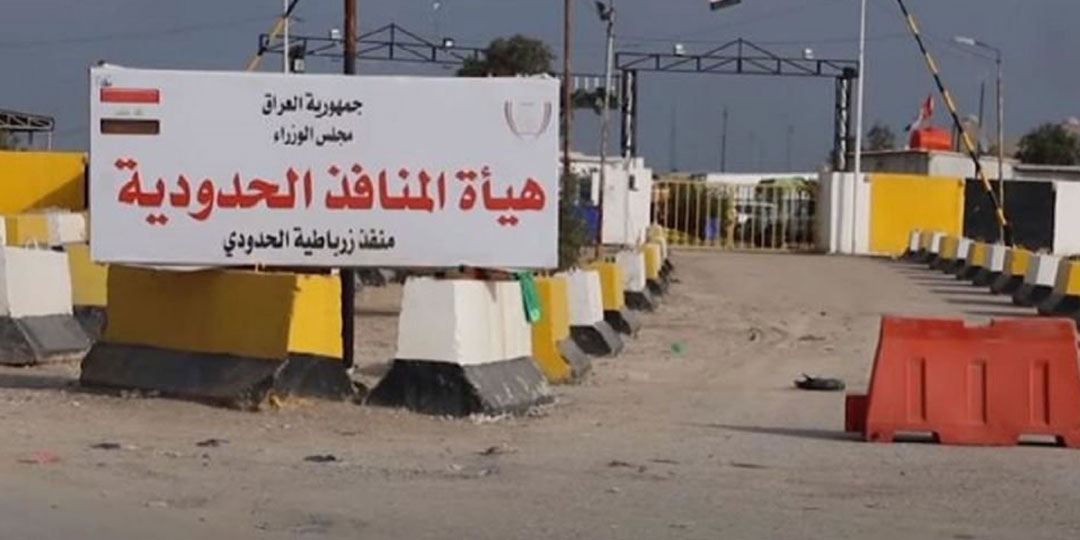
Zurbatiyah crossing registered notable increases reaching approximately 400 trucks daily, representing the highest traffic volume among Iraq-Iran border crossings. Al-Waili specifically highlighted this achievement as reflecting “marked increase” in crossing capacity.
Commercial Capacity and Supply Chain Continuity
The combined daily truck traffic across Iraq-Iran crossings exceeded 1,400-1,700 vehicles, demonstrating substantial commercial activity volume. This traffic capacity ensures continuous supply of goods including food, fuel, industrial materials, and consumer products essential for Iraqi market function.
Market Stabilization Through Trade Continuity
Al-Waili emphasized that sustained commercial operations “contributed clearly to market price stability and ensured continued flow of goods and commodities to Iraqi markets.” The stable supply prevented price inflation that might have resulted from perceived supply disruptions during the escalation period.
Notable Increase in Passenger Movement Following Regional Stabilization
The Border Authority reported significant increases in passenger movement across all border crossings following stabilization of regional conditions after the U.S.-Iran ceasefire announcement. Al-Waili stated: “All border crossings witnessed marked increase in passenger numbers after stabilization of regional conditions.”
The passenger movement increase reflects increased confidence in border safety and stability, with travelers resuming normal cross-border movement for business, family visits, and other legitimate purposes.
Passenger Movement as Stability Indicator
The significant passenger increases serve as practical indicator of public perception regarding border safety and regional stability. Increased cross-border movement reflects public confidence that the ceasefire and de-escalation efforts have reduced immediate security risks.
Field Visits and Operational Support Provided to Border Personnel
The Border Authority conducted field visits to assess operational procedures and ensure smooth commercial and passenger traffic flow. These visits provided opportunity for direct supervision of border operations and identification of operational challenges requiring administrative attention.
Al-Waili stated: “Field visits were conducted to assess implementation of procedures and ensure smooth traffic flow, as well as providing support to border personnel who exerted significant efforts during the recent period.”
Personnel Support and Operational Excellence
Border personnel operating the crossings faced considerable pressures maintaining normal operations during regional escalation. The Border Authority’s recognition and support of these personnel acknowledged their critical contributions to sustaining commercial continuity during challenging circumstances.
Operational Assessment and Continuous Improvement
Field visits allowed assessment of operational efficiency and identification of procedural improvements supporting smooth traffic flow. The visits provided opportunity to address personnel concerns and ensure that border operations met professional standards.
Commercial Operations’ Contribution to Market Stability
The Border Authority emphasized that sustained commercial operations across Iraq-Iran crossings contributed significantly to preventing market disruption and price inflation. Al-Waili stated: “These efforts contributed clearly to market price stability and ensured continued flow of goods and commodities to Iraqi markets.”
The stable supply of imported goods prevented consumer price increases that might have resulted from perceived supply shortages during regional tensions.
Price Stability and Consumer Protection
Market price stability depends upon predictable supply flows from major trading partners. Sustained Iraq-Iran trade ensured that Iraqi consumers could access necessary goods at prices reflecting normal market conditions rather than geopolitical risk premiums.
Border Authority’s Management of Stranded Travelers
In addition to maintaining commercial traffic flow, the Border Authority addressed humanitarian challenges created by airspace closures. Al-Waili stated: “The authority received stranded persons abroad, both Iraqis and foreigners, resulting from airspace closure, and ensured their safe return to the country and travel to their destinations safely.”
The authority’s humanitarian role reflected recognition that border closures create hardship for individuals unable to cross international boundaries or return home during crises.
Humanitarian Response to Airspace Closure
The temporary airspace closure created stranded passengers unable to travel by conventional commercial aviation routes. The Border Authority’s land crossings provided alternative routes for stranded individuals seeking to return home or continue to intended destinations.
Consular Support and Safe Passage
The Border Authority coordinated with consular officials to facilitate safe passage and proper documentation for stranded travelers returning to Iraq or proceeding to international destinations. The operation required careful coordination with immigration authorities and foreign governments ensuring proper legal procedures.
Strategic Importance of Iraq-Iran Border Crossings
Iraq-Iran border crossings represent critical commercial arteries connecting Iraqi markets to Iranian suppliers and enabling Iraqi exports to Iranian consumers. The crossings handle diverse trade including food products, petroleum products, industrial materials, and consumer goods essential for Iraqi economic function.
Trade Dependency and Economic Integration
Iraq’s substantial reliance on Iranian imports reflects geographic proximity, established commercial networks, and long-standing bilateral trade relationships. Interruption of this trade creates economic pressures affecting Iraqi market stability and consumer welfare.
Border Crossing Infrastructure Quality
The successful maintenance of normal traffic volumes despite regional tensions reflects quality of border crossing infrastructure and operational procedures. Professional border management by Iraqi authorities ensured that crossings functioned effectively despite heightened security concerns.
Resilience of Commercial Networks During Regional Instability
The sustained commercial activity demonstrates resilience of established trade relationships and commercial networks in withstanding regional political tensions. Traders demonstrated commitment to maintaining supply chains despite elevated geopolitical risks.
Business Continuity Despite Risk Premiums
Commercial traders operating across Iraq-Iran borders operated despite heightened risks and potential operational disruptions. Their willingness to maintain normal trading patterns reflected confidence that border operations would continue functioning and that commercial risks could be managed.
Border Authority’s Institutional Performance
The Border Authority’s successful maintenance of operational capacity during regional escalation reflected institutional competency and professional management. The authority’s ability to process normal traffic volumes while managing humanitarian concerns demonstrated operational flexibility and personnel dedication.
Professional Management Under Pressure
Border personnel managed complex operational requirements during periods of elevated regional tension. Their professional performance ensured that commercial and humanitarian goals were achieved without security compromise.
Regional Stability and Commercial Confidence
The U.S.-Iran ceasefire announcement and subsequent stabilization of regional conditions triggered increased passenger movement and commercial confidence. The immediate positive response reflected market recognition that ceasefire represented genuine de-escalation rather than temporary military pause.
Confidence Restoration and Economic Recovery
The border crossing data demonstrates how quickly commercial confidence and passenger movement respond to perceived improvements in regional security conditions. The passenger increase following ceasefire announcement reflects public assessment that regional stability has been substantially restored.
Conclusion:
Iraq’s Border Authority announced Sunday that commercial truck traffic across border crossings with Iran continued at normal operating rates despite recent regional escalation, with daily volumes ranging from 250 to 400 vehicles depending on the specific crossing. Lieutenant General Umar Al-Waili documented sustained commercial operations at major crossings including Mandali (250-300 trucks daily), Shib (200-250 vehicles), Al-Mundhiriya (250-300 trucks), Shalamjah port (350-400 vehicles), and Zurbatiyah (approximately 400 trucks daily). The Border Authority reported that all crossings experienced notable increases in passenger movement following regional stabilization after the U.S.-Iran ceasefire announcement. The authority emphasized that sustained commercial operations contributed significantly to preventing market disruption and price inflation, ensuring continued supply of essential goods to Iraqi consumer markets. Field visits conducted by the Border Authority provided operational assessment and support to border personnel who maintained service continuity despite challenging circumstances. The authority also managed humanitarian aspects of regional tensions by facilitating safe return and travel of individuals stranded abroad due to airspace closures. The successful maintenance of normal commercial traffic volumes and the rapid response of passenger movement to ceasefire announcement demonstrate resilience of Iraq-Iran commercial relationships and effectiveness of border operations in sustaining economic stability amid regional political tensions. The data confirms that established trade networks and professional border management can maintain economic viability even during significant geopolitical challenges.