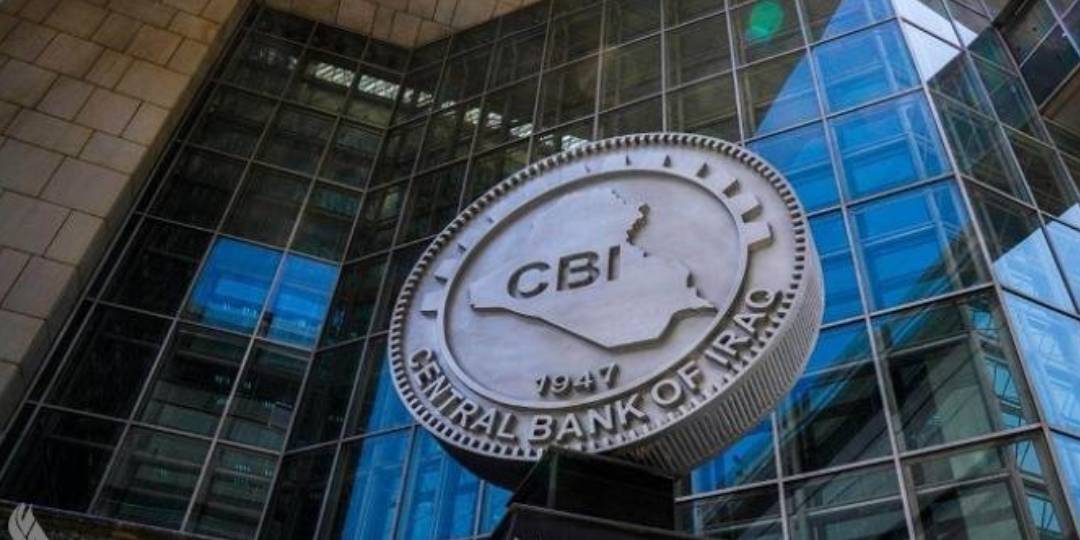

The Central Bank of Iraq announced on Wednesday, October 7, 2026, the implementation of a new exchange rate for the dollar in Iraq, fixing the cash sales rate for citizens and the public at 1,520 Iraqi dinars per US dollar. The decision follows an official resolution approved by the Council of Ministers during its twenty-second cabinet session, designed to balance state fiscal obligations with domestic monetary stability.
The monetary authority confirmed that the revised exchange structure took effect immediately across the banking sector. The central bank emphasized that sovereign foreign currency reserves stand at comfortable and robust levels, fully capable of covering foreign trade financing, settling electronic payment cards abroad, and meeting cash demand for travelers through official banking channels.
“`
+————————————————————-+
| Official New Exchange Rate Structure |
+————————————————————-+
| Purchase rate from Ministry of Finance | 1,500 IQD per USD |
| Selling rate to licensed banks | 1,510 IQD per USD |
| Selling rate to the public | 1,520 IQD per USD |
+————————————————————-+
“`
Fiscal Rationale Behind the New Exchange Rate for the Dollar in Iraq
Director of the Statistics Department at the Central Bank of Iraq, Samir Al-Waili, explained that adjusting the official rate to 1,500 dinars per dollar from the Ministry of Finance and 1,520 dinars for the public forms part of an integrated economic reform package. These measures address fiscal constraints and revenue challenges affecting state finances and public spending requirements.
Al-Waili noted that the primary objective of the adjustment is to ensure fiscal sustainability, protect foreign exchange reserves, and maintain national macroeconomic stability. The reform also seeks to facilitate essential import financing while shielding the financial system from external economic pressures.
Trillion-Dinar Credit Initiatives to Stimulate Domestic Production
To offset potential inflationary impacts on local markets, the Central Bank rolled out major credit facilities to revitalize private sector industry:
– Allocating 1 trillion Iraqi dinars through the Trade Bank of Iraq to support private enterprises.
– Injecting 500 billion Iraqi dinars into the Housing Fund to sustain residential construction.
– Expanding financing for the Industrial Bank with allocations between 500 billion and 1 trillion dinars.
– Directing commercial banks to scale up foreign trade financing capabilities by up to 1 billion dollars.
Reserve Adequacy and Trade Financing Capabilities
The Central Bank reiterated that national monetary conditions remain reassuring, noting that its capacity to manage the currency market and satisfy legitimate foreign exchange demand is well established. Solid reserve buffers provide substantial insulation against illegal currency speculation and sudden liquidity shifts.
The regulatory authority instructed all licensed commercial banks and financial institutions to update their accounting systems immediately, halt operations under the previous rate, and facilitate automated foreign currency access for verified merchants and travelers through official electronic platforms.
Institutional Scope of Banking Supervision and Law Enforcement
An authorized official at the Central Bank of Iraq stated to the Iraqi News Agency that banking supervision falls strictly under the exclusive statutory authority of the central bank pursuant to Law No. 56 of 2004 as amended:
– The Central Bank of Iraq holds exclusive jurisdiction over supervising, regulating, and auditing financial institutions.
– Security agencies operate in an executive support capacity strictly to enforce statutory rulings upon formal institutional notification.
– Law enforcement personnel are not authorized to pursue or detain currency dealers without explicit judicial warrants issued under legal procedures.
– Transparent operational guidelines protect the rights of legitimate investors and market participants.
Long-Term Economic Impacts and Fiscal Stability
The currency adjustment aims to bridge the national budget deficit, strengthen domestic product competitiveness against imported merchandise, and channel liquidity into value-creating economic sectors. Stimulus programs targeted at manufacturing and housing are designed to foster employment opportunities and stimulate non-oil economic activity.
Financial experts assess that the success of the adjustment will depend on the smooth execution of documentary letters of credit through official banking corridors, accompanied by rigorous oversight to maintain commodity price stability for low-income households.
Conclusion:
The introduction of a new exchange rate for the dollar in Iraq reflects a calculated move by fiscal and monetary authorities to achieve budgetary sustainability and preserve sovereign reserves. Backed by multi-trillion-dinar liquidity injections for industry and housing, strict institutional oversight remains central to safeguarding consumer purchasing power and stabilizing the wider financial market.