
The European Union announced on Wednesday a supplemental funding package of €1.24 billion to reinforce military aid to Ukraine, earmarking the allocation to acquire advanced interceptor systems capable of neutralizing incoming missiles, drones, and aerial threats targeting Ukrainian infrastructure. The initiative falls under a broader EU defense financing framework designed to shield critical civilian facilities from sustained Russian bombardments heading into winter.
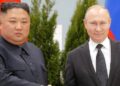
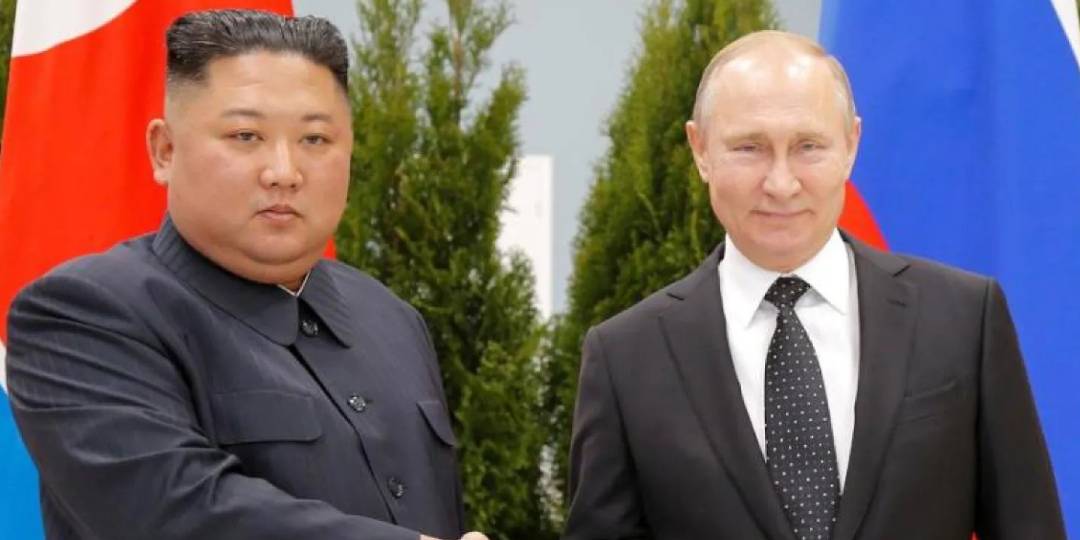
The European measure arrives amid intensifying geopolitical polarization surrounding the ongoing war. North Korean leader Kim Jong Un transmitted a birthday congratulation to Russian President Vladimir Putin, reaffirming unwavering solidarity and describing Moscow’s campaign as a “sacred war,” while diplomatic friction deepened between Kyiv and Seoul over the disclosure of captured North Korean soldiers and restrictions on lethal arms exports.
Details of the EU Funding Package and Air Defense Priorities
European Commission President Ursula von der Leyen stated in an official communique that the newly approved €1.24 billion tranche aims to strengthen Ukraine’s capacity to defend its population and urban infrastructure. She noted that Russia continues deliberately targeting civilian daily life to erode Ukrainian resilience through systematic attacks on power grids and municipal utilities.
The European Commission clarified that the allocated funds will finance procurement of missile interception platforms, early-warning radar arrays, and specialized counter-drone equipment. The tranche operates under a comprehensive EU financing program worth €90 billion designated for Ukraine across the 2026 and 2027 fiscal periods.
Strategic Components of the New European Allocations
– Financing the acquisition and joint production of interceptor missiles to protect Ukrainian airspace.
– Reinforcing radar networks and counter-drone systems shielding power generation facilities.
– Sustaining rapid logistics, technical maintenance, and field repair support for combat equipment.
– Integrating the disbursement into the overarching €90 billion EU assistance framework for 2026 and 2027.
Kim Jong Un Describes Russia’s War as Sacred and Vows Continued Support
North Korea’s official central news agency confirmed that Kim Jong Un dispatched a formal message to President Putin, emphasizing the deep strategic friendship binding Pyongyang and Moscow. The North Korean leader characterized the current military campaign as a “sacred war” that will inevitably conclude with Russian victory.
Kim reiterated his commitment to providing constant and steadfast backing for the Russian Federation while signaling expanded cooperation across military, industrial, and diplomatic domains. Western intelligence assessments continue to warn that Pyongyang may broaden its direct involvement through additional troop deployments and munitions shipments supporting frontline Russian units.
Diplomatic Tensions Between Kyiv and Seoul Over Prisoners and Arms
Diplomatic exchanges between Ukraine and South Korea grew heated after Ukrainian President Volodymyr Zelensky announced the transfer of two captured North Korean soldiers into South Korean custody. Seoul publicly criticized the disclosure, stating that the operation was intended to remain confidential to avoid triggering domestic political complications and regional security sensitivities.
– South Korean Position: Formal protest against the public revelation of the handover, which complicated internal diplomatic calculations.
– Lethal Arms Exports: Seoul continues enforcing longstanding legislation that prohibits weapons transfers to states engaged in active warfare.
– Kyiv’s Requests: Ukrainian officials have repeatedly lobbied South Korea to relax these restrictions and supply advanced artillery and ammunition.
– Troop Reinforcement Warnings: Zelensky cautioned that Pyongyang is preparing to send additional military contingents to reinforce Russian operations.
Widening International Polarization Around the Ukraine Conflict
The simultaneous movement of major EU defense financing and explicit North Korean backing for Moscow underscores the transformation of the Ukraine war into a global geopolitical contest. European governments prioritize sustaining Ukrainian air defense and energy resilience, while Russia diversifies its strategic partnerships across East Asia to sustain long-duration operations.
Regional analysts note that the expanding involvement of Northeast Asian actors adds new complexity to ceasefire diplomacy. With both sides receiving continuous military reinforcement from external partners, prospects for near-term negotiated de-escalation remain constrained as combat operations intensify across eastern and southern fronts.
Conclusion:
Sustained European funding highlights that military aid to Ukraine remains central to Western strategy, with the latest €1.24 billion package reinforcing interceptor capabilities against drone and missile threats. Concurrently, the deepening Russia-North Korea alliance and strained Seoul-Kyiv relations signal a widening international fault line that will shape the conflict’s trajectory through the coming winter.