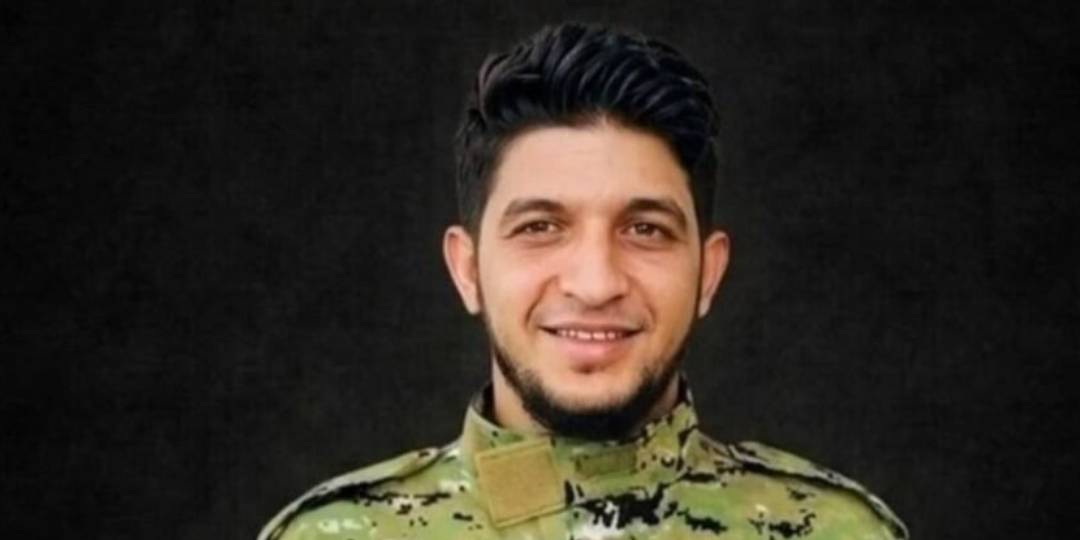

Media outlets announced today that Azam Khalil al-Hayya, son of Hamas leader, died from wounds sustained in an Israeli airstrike in Gaza yesterday. The death came amid escalating military operations in the territory. Hamas responded to the incident, affirming that targeting the leader’s son represents an attempt at political pressure on resistance movements that will not deter Palestinian negotiators from their positions.
The incident reflects the systematic pattern of targeting Palestinian leadership and families.
Death of Hamas leader’s son from airstrike wounds
Media outlets announced “today that Azam Khalil al-Hayya, son of Hamas leader, died in Gaza.”
The reports stated: “Hamas leader’s son in Gaza, Azam Khalil al-Hayya, died from wounds sustained in an Israeli airstrike yesterday.”
The death came after direct impact from Israeli aerial bombardment.
Details of incident and death
The incident included:
Direct Israeli targeting
Serious wounds to Azam Khalil al-Hayya
Death from sustained injuries
Martyrdom yesterday Wednesday
Identity and significance of the killed individual
Azam Khalil al-Hayya was:
Son of current Hamas leader Ismail Haniyeh
Holding potential role in the movement
Having direct family relations to movement leadership
Known in political and military circles
Military context of the operation
The Israeli airstrike came:
Within continuing military operations
Amid comprehensive Gaza escalation
As part of systematic targeting policy
Without clear connection to specific military operations
Pattern of Israeli targeting
The targeting of the son reflects:
Attempts to eliminate resistance leadership
Pressure on movement symbols
Attempts to influence political positions
Targeting of families and relatives
Hamas response to the incident
Hamas responded, “affirming today that the crime of targeting Khalil al-Hayya’s son comes within occupation’s attempts to influence resistance will and political positions.”
The movement stated in a statement: “These crimes will not push Palestinian negotiators to retreat from their principles or abandon our people’s rights.”
The Hamas response was firm and rejecting any psychological impact from targeting.
Hamas position on targeting
The movement emphasized:
Unaffected by targeting operations
Continuation of political positions
Adherence to people’s rights
Rejection of concessions on principles
Stated goal of leadership targeting
Israel appears to attempt through targeting:
Breaking resistance will and leadership
Creating psychological impact on leaders
Forcing Palestinians into retreat
Pressuring Palestinian negotiators
International humanitarian law violations
The targeting may constitute:
Violations of international humanitarian law
Potential war crimes
Human rights violations
Internationally punishable offenses
Impact of targeting on humanitarian situation
Targeting affects:
Leadership and family members’ families
Palestinian people’s psychological state
Resistance and street morale
Psychological pressure on negotiators
Psychological and social effects
May include:
Psychological trauma for families
Impact on children and women
Increasing human suffering
Worsening humanitarian crisis
Scale of leadership targeting operations
Reflects targeting operations:
Systematic pattern of elimination
Repeated attempts to eliminate leadership
Clear occupation policy
Continuation of war crimes
Previously targeted leadership
Previous targeting included:
Prominent military commanders
Important political figures
Various movement leaders
Dozens of targeting operations
International position on targeting
International position divides between:
Countries supporting targeting
Countries opposing as crimes
International organizations demanding accountability
Conflicting views on legality
International accountability and justice
Targeting requires:
Independent international investigations
Accountability for perpetrators
Justice for victims
Application of international law
Continuing military operations and effects
Operations continue in:
Creating new daily crimes
Targeting multiple objectives
Increasing victim numbers
Worsening humanitarian crisis
Need for peace and political solution
The situation requires:
Immediate halt to military operations
Serious political negotiations
Comprehensive political solution
International commitment to law application
International community and UN role
The international community must:
Intervene immediately to stop crimes
Impose sanctions on responsible parties
Protect civilians and leadership
Ensure international law application
Impact on negotiations and peace process
The targeting may impact:
Palestinian negotiation positions
Peace process continuation
International pressure dynamics
Regional stability prospects
Obstacles to peace negotiations
Continued targeting creates:
Increased distrust between parties
Hardened negotiation positions
Public anger and demands
Reduced negotiation flexibility
Conclusion:
The death of Azam Khalil al-Hayya reflects continuing systematic targeting of Palestinian leadership and families by Israeli occupation. Hamas responded by affirming political positions remain unchanged despite the targeting. The situation requires immediate international intervention to halt these crimes, achieve justice for victims, and protect Palestinian people’s rights. The targeting pattern demonstrates obstacles to achieving sustainable peace in the region.