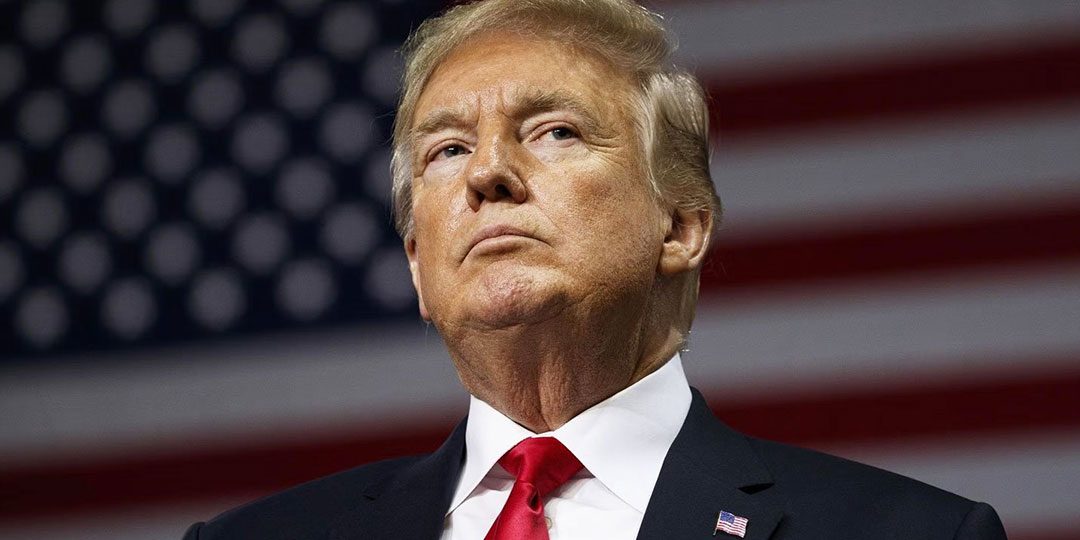

US President Donald Trump asserted Tuesday that extracting nuclear dust destroyed in American aerial bombardment of Iranian facilities will constitute a difficult and prolonged process, suggesting both the extent of damage inflicted and the challenges Iran would face in recovering or reconstituting destroyed nuclear materials. The statement comes as White House officials indicated that Trump is unlikely to extend the ceasefire with Iran that expires Wednesday, effectively allowing the temporary two-week truce to lapse and potentially opening pathway to renewed military confrontation. The timing of Trump’s claim regarding nuclear dust extraction parallels with announcements that the American naval blockade of Iranian ports will continue until final agreement is reached, maintaining economic pressure on Iran while negotiations remain incomplete.
The Trump statements reflect hardening American positions as the temporary ceasefire approaches expiration without agreement on comprehensive nuclear or regional security matters. The assertion that nuclear dust extraction will be difficult appears designed to demonstrate the scope of American military capability to damage Iranian nuclear infrastructure while subtly signaling that reconstruction would require extended periods and significant resources.
Trump’s Nuclear Dust Extraction Claims
Destruction of Nuclear Materials
Trump’s claim that nuclear dust destroyed in American strikes will prove difficult to extract suggests either that American operations targeted nuclear facilities directly or that the scale of destruction created dispersed nuclear materials that would require specialized recovery operations. The term “nuclear dust” implies finely dispersed radioactive materials that would be challenging to collect through conventional methods.
Extended Recovery Timeline
Trump’s assertion that extraction would be both “difficult and long” establishes expectations that any Iranian effort to recover or reconstitute destroyed nuclear materials would require extended periods. The statement appears intended to demonstrate that American military action has achieved substantial damage to Iranian nuclear infrastructure that would require years rather than months to fully address.
Implicit Message Regarding American Capability
The claim implicitly communicates that American military capability to damage Iranian nuclear facilities exceeds Iranian capability to rapidly repair or replace destroyed infrastructure. The message serves both domestic audiences demonstrating effectiveness of American military action and international audiences regarding the costs of continued confrontation with the United States.
Ceasefire Expiration and Non-Extension Decision
Wednesday Ceasefire Expiration
The temporary ceasefire between the United States and Iran, which commenced with announcement last week, is scheduled to expire Wednesday. White House officials indicated Tuesday that Trump is unlikely to extend the temporary ceasefire beyond the stated two-week period, effectively allowing it to lapse and removing constraints on resumed American military operations.
Strategic Implications of Non-Extension
The decision not to extend the ceasefire carries significant strategic implications regarding American intentions. Non-extension suggests that either American negotiating objectives have not been met or that the Trump administration views continued military pressure as more likely than negotiation to achieve American objectives regarding Iranian nuclear program and regional security.
Renewed Military Confrontation Risk
The lapsing of ceasefire without extension creates circumstances where renewed military confrontation becomes possible without formal American policy decision to resume attacks. The distinction between allowing ceasefire to lapse and formally declaring resumption of military operations carries legal and diplomatic significance regarding implications under international law and for alliance relationships.
Continued Naval Blockade Strategy
Blockade Continuation Until Agreement
Trump stated explicitly that the American naval blockade of Iranian ports “will not be lifted until a deal is reached,” establishing blockade continuation as strategy to maintain economic pressure during negotiations. The statement clarifies that blockade represents permanent feature of American policy until final agreement rather than temporary measure tied to ceasefire period.
Economic Impact Assessment
Trump claimed that Iran loses $500 million daily from the naval blockade, a figure “that cannot be sustained even in the short term.” The specification of daily economic losses appears designed to emphasize the intensity of economic pressure and to suggest that Iranian economy will force Tehran toward agreement due to unsustainable losses. The claim that $500 million daily losses cannot be sustained suggests Trump assessment that Iranian economy will collapse under prolonged blockade unless agreement is reached.
Blockade as Coercive Leverage
The blockade strategy represents coercive leverage designed to impose unacceptable economic costs on Iran unless Tehran accepts American negotiating demands. The explicit statement regarding blockade continuation until agreement suggests that Trump intends to use economic pressure as primary negotiating instrument rather than relying on diplomacy or military force alone.
Iranian Parliamentary Response
Qalibaf’s Accusations of Surrender Seeking
Iranian Parliament Speaker Qalibaf responded to Trump’s statements by accusing the United States of seeking to transform negotiations into “surrender” through blockade and pressure policies. Qalibaf characterized American approach as fundamentally coercive rather than diplomatic, rejecting the premise that Iran would accept agreement under economic duress.
References to Military Preparation
Qalibaf’s reiteration that Iran has spent previous two weeks preparing “to reveal new cards on the battlefield” maintains Iranian messaging regarding military readiness. The repeated references to military preparation suggest that Iran is simultaneously conducting diplomatic engagement while preparing for military confrontation should negotiations fail.
Iranian Rejection of Coercive Framework
Qalibaf’s statement emphasizing Iran’s rejection of negotiations “under threat” directly contradicts Trump’s apparent strategy of combining economic blockade with negotiation demands. The Iranian position asserts that genuine negotiation requires lifting coercive measures, a fundamental disagreement regarding the framework within which talks can proceed.
Broader Negotiating Context and Breakdown Risks
Fundamental Disagreement on Negotiating Framework
The statements from Trump and Qalibaf reveal fundamental disagreement regarding conditions under which negotiations can proceed. American approach combines negotiation demands with military blockade and threat of renewed attacks, while Iranian approach insists on cessation of coercive measures as prerequisite for meaningful negotiation.
Timeframe Pressures and Decision Points
The Wednesday ceasefire expiration creates decision point regarding whether negotiations will continue despite lapsed ceasefire or whether American non-extension decision will trigger renewed military operations. The compressed timeframe creates pressure on both parties to either achieve breakthrough agreement or prepare for resumed confrontation.
Economic Versus Military Pressure Balance
Trump’s emphasis on blockade economic impact and threat of renewed military operations suggests American strategy combines economic coercion with military intimidation. The dual pressure approach appears designed to force Iranian capitulation through combination of economic pain and military threat rather than through negotiation toward mutually acceptable agreement.
International and Economic Implications
Oil Market Response Expectations
The prospect of ceasefire lapsing and resumed military potential creates volatile environment for oil markets. Uncertainty regarding whether renewed military operations will commence creates difficulty for market participants attempting to assess energy supply stability and price trends.
Regional Stability Implications
The combination of lapsing ceasefire, continued blockade, and threats of renewed military operations undermines regional stability and creates environment where military miscalculation becomes more likely. The absence of sustained diplomatic channel and the emphasis on coercion rather than negotiation increase risks of unintended escalation.
Humanitarian Impact Considerations
The continuation of naval blockade with acknowledged $500 million daily economic impact creates humanitarian consequences for Iranian population dependent on imports of food, medicine, and essential supplies. The blockade’s continuation suggests that humanitarian impact does not factor prominently in American decision-making regarding negotiating strategy.
Conclusion:
President Trump’s claims regarding difficult nuclear dust extraction from destroyed Iranian facilities and the decision not to extend the ceasefire expiring Wednesday signal hardening of American negotiating positions and emphasis on coercive rather than cooperative approaches. Trump’s explicit statement that naval blockade will continue until agreement is reached establishes economic pressure as primary American negotiating instrument. Iranian Parliament Speaker Qalibaf’s response rejecting negotiations under threat reiterates fundamental disagreement regarding conditions for meaningful diplomatic engagement. The combination of lapsing ceasefire, continued blockade inflicting acknowledged $500 million daily losses, and American threats of renewed military operations creates environment where negotiated settlement appears increasingly unlikely and risks of renewed military confrontation increase substantially. The competing statements from American and Iranian leadership suggest negotiations have effectively broken down and military confrontation remains possible if ceasefire expires Wednesday without extension or agreement.