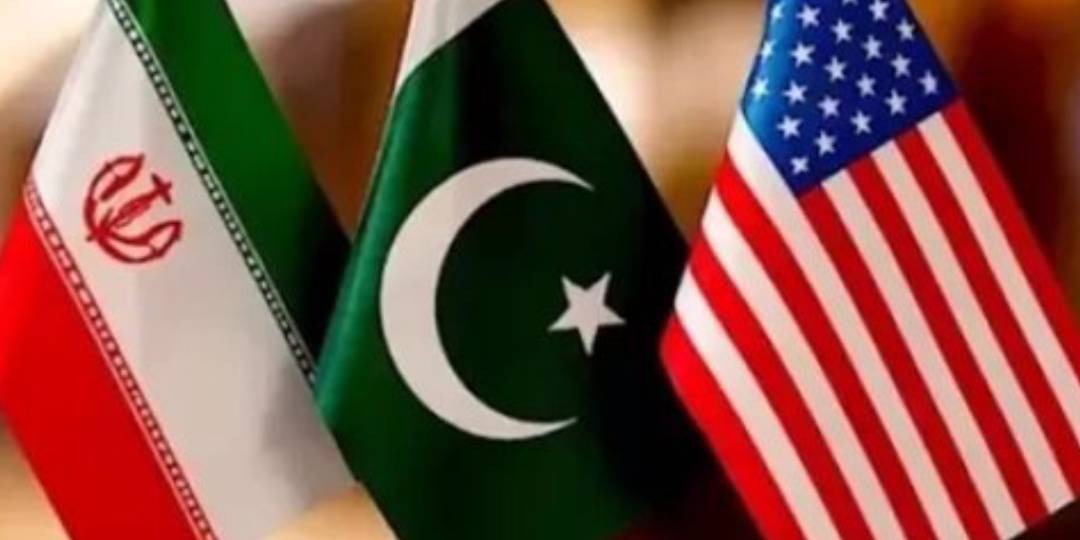

US Energy Secretary Chris Wright announced Sunday that the United States is approaching a major solution to the Iran dispute that would end what he characterized as Tehran’s 47-year threat to regional stability. Wright’s statement represents the highest-level American announcement regarding potential comprehensive resolution, suggesting confidence within the Trump administration that fundamental breakthrough may be achievable. The announcement comes amid ongoing US-Iran negotiations and shifting diplomatic timelines that have extended beyond Trump’s earlier Wednesday deadline for agreement.
Wright’s optimistic assessment contrasts with Iranian Foreign Ministry statements continuing to assert red lines regarding nuclear sovereignty, suggesting that while both sides express confidence in diplomatic progress, substantial disagreements remain on fundamental issues.
Energy Secretary’s Assessment of Negotiation Progress
“Major Solution” Terminology
Wright’s use of “major solution” language reflects American confidence that negotiations may produce comprehensive outcome addressing fundamental issues in US-Iran dispute. The terminology suggests that proposed arrangement would extend beyond nuclear limitations to address broader regional security concerns and potentially sanctions relief for Iran.
The phrase indicates American administration believes that fundamental framework for resolving dispute has begun taking shape, though specific details of proposed solution remain publicly undisclosed.
47-Year Threat Characterization
Wright referenced “47-year threat to region” from Iran, dating from 1979 Islamic Revolution that transformed Iran from American ally to geopolitical adversary. The characterization frames Iran as source of regional instability for period spanning multiple American presidencies and numerous Middle Eastern conflicts.
American framing emphasizes that proposed solution would address long-standing source of regional tension rather than constituting tactical ceasefire or temporary arrangement.
Context of Diplomatic Timeline Extensions
Wednesday Deadline Expiration
Wright’s announcement comes after Trump’s earlier Wednesday deadline for Iran agreement has passed without agreement announcement. The timing suggests that while formal deadline expired, negotiations have continued and American officials remain optimistic about eventual outcome rather than declaring negotiations failed.
Ongoing Negotiation Status
Pakistani media reported Sunday that no new date has been set for upcoming round of US-Iran talks, suggesting that negotiators continue working through outstanding issues without established timeline for next formal negotiating session. The absence of scheduled date indicates continuing difficulty in resolving fundamental disagreements while both sides maintain negotiating engagement.
American Optimism and Iranian Reservations
Divergent Public Assessments
American officials express growing confidence that solution is within reach, while Iranian officials simultaneously assert continued red lines and refusal to accept conditions unacceptable to Tehran. The divergence between American optimism and Iranian firmness suggests that while diplomatic engagement continues, fundamental differences persist on critical issues.
Nuclear Sovereignty Issue
Iran’s simultaneous reaffirmation that it will not transfer enriched uranium enriches outside the country directly contradicts American proposals suggesting nonnegotiable nuclear security requirements. Iranian insistence on maintaining uranium sovereignty aligns with refusal to accept arrangement involving transferred nuclear materials to foreign jurisdiction.
Regional Implications of Proposed Solution
“Solution to Iran Dispute” Definition
Wright’s reference to “solution to Iran dispute” encompasses multiple dimensions beyond nuclear agreement. The comprehensive characterization suggests American administration views resolution as addressing nuclear program, regional military activities, ballistic missile development, and support for non-state actors throughout Middle East.
This comprehensive framing indicates American objective extends beyond constraining Iranian nuclear weapons development to reshaping Iranian regional strategic posture.
Threat Assessment Framework
American characterization of Iran’s 47-year regional threat establishes framework positioning proposed solution as mechanism for fundamentally altering Iranian regional role. Proposed arrangement would presumably include mechanisms ensuring Iranian compliance with nonnuclear provisions addressing regional stability concerns.
Energy Sector Implications
Energy Secretary’s Focus Area
Wright’s prominent role in announcing diplomatic progress reflects American recognition that Iranian nuclear dispute has direct implications for global energy markets and petroleum supply security. As Energy Secretary, Wright focuses on energy market stability and petroleum supply chain resilience.
Sanctions Relief and Energy Markets
Implied sanctions relief from proposed Iran solution would have significant impact on petroleum markets, potentially increasing Iranian oil exports and affecting global energy prices. Wright’s involvement suggests that energy market considerations factor into American assessment of Iran dispute resolution.
Negotiating Parties and Mediation
Pakistan’s Continuing Mediator Role
Pakistani media’s reporting of stalled schedule for next negotiating round confirms Islamabad’s continued role as primary mediator between Washington and Tehran. The absence of scheduled date for next round reflects ongoing working-level negotiations proceeding through Pakistani diplomatic channels.
Diplomatic Channel Dynamics
Continuation of negotiations despite expiration of Trump’s stated deadline indicates that both American and Iranian negotiators view engagement as productive enough to justify continued discussions despite timeline pressure. Pakistani reporting of lack of scheduled date suggests negotiations proceeding at working level without formal governmental scheduling of next ministerial-level session.
Domestic Political Considerations
American Administration Confidence Building
Wright’s public statement represents part of broader Trump administration effort to present diplomatic progress narratively even as formal agreement remains unachieved. Public optimism serves political function of demonstrating foreign policy progress ahead of potential further military escalation.
Audience Messaging
The statement addresses multiple audiences: domestic American constituency concerned about Middle East stability, regional allies questioning American commitment to diplomatic solution, and negotiating partners in Tehran assessing American resolve and flexibility.
Potential Arrangement Components
Speculative Framework
While Wright does not detail specific proposed arrangements, comprehensive “major solution” likely encompasses:
- Nuclear program limitations and enrichment constraints
- International uranium enrichment facility agreement
- Ballistic missile development restrictions
- Regional military activity limitations
- Sanctions relief conditioned on compliance
- International verification and monitoring
Unresolved Disputed Issues
Substantial disagreements appear to persist regarding:
- Transfer of enriched uranium outside Iran
- Ballistic missile development constraints
- Timeline for sanctions relief implementation
- International verification procedures
- Guarantees preventing future sanctions re-imposition
Conclusion:
US Energy Secretary Chris Wright’s announcement that America approaches a major solution to Iran dispute represents highest-level American expression of confidence that comprehensive resolution may be achievable. Wright’s characterization of proposed solution as ending Iran’s 47-year threat to region establishes ambitious scope extending beyond nuclear agreement to comprehensive geopolitical recalibration. However, Iranian Foreign Ministry’s simultaneous reaffirmation of red lines regarding nuclear sovereignty and material transfers suggests that fundamental disagreements persist despite both sides’ expressions of diplomatic engagement. Pakistani reporting of lack of scheduled date for next negotiating round confirms that while diplomatic engagement continues, substantial work remains on achieving final agreement. American optimism must be evaluated against Iranian firmness on fundamental sovereignty issues, suggesting that while breakthrough may be approaching, differences on core issues remain substantial. Whether Wright’s optimistic “major solution” assessment reflects genuine negotiating progress or diplomatic posturing designed to maintain negotiating momentum while managing domestic political expectations remains unclear.