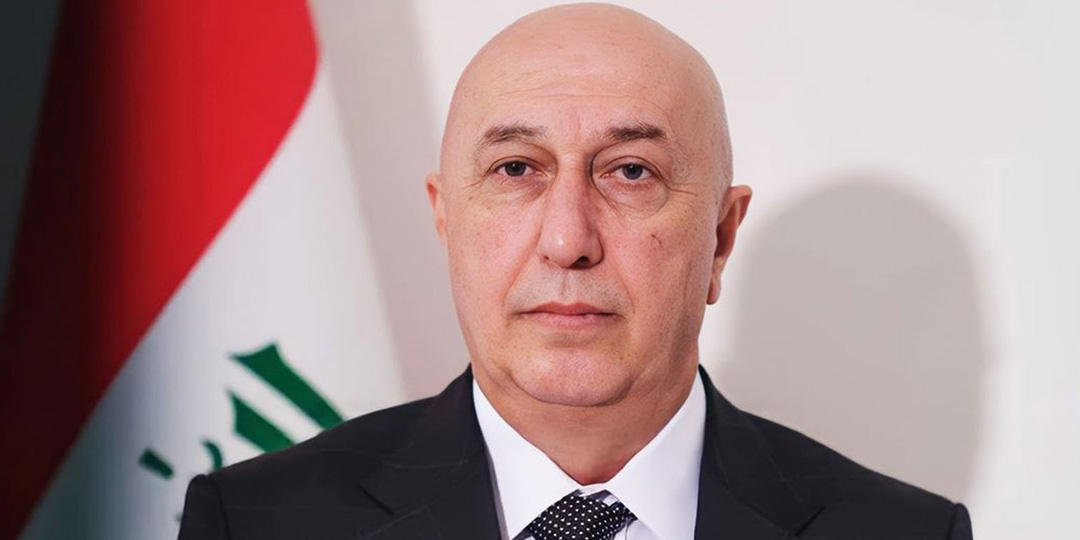

Iraq’s Council of Representatives elected Nizar Muhammad Said Amedhi as president of the republic on Saturday with 227 parliamentary votes, securing an overwhelming mandate that reflects broad political consensus. The parliament’s media office announced the results officially, noting that the second candidate, Deputy Mithana Amin Nader, received only 15 votes, with seven ballots invalidated. The election represents a significant constitutional milestone in Iraq’s ongoing political process, as Amedhi immediately proceeded to parliament’s chamber to take the constitutional oath of office.
The election received widespread endorsement from state leadership, with emphasis on the urgent need to complete remaining constitutional obligations, particularly the formation of a strong coalition government. Parliament Speaker Haibt Al-Halbousi called for accelerated timelines, while Prime Minister Muhammad Shia Al-Sudani expressed appreciation for this national achievement, underscoring the importance of swift government formation to address Iraq’s pressing security, economic, and developmental challenges.
Election Results and Parliamentary Consensus
Iraq’s Council of Representatives officially announced election results reflecting decisive political consensus. Nizar Amedhi secured 227 votes from parliamentary members, establishing an overwhelming majority that demonstrates broad support across political factions. The second candidate, Deputy Mithana Amin Nader, received only 15 votes, indicating clear preference for Amedhi among legislators.
The election process recorded seven invalid ballots from total votes cast, a minimal number reflecting the clarity and organization of the voting procedure.
Constitutional Significance and Democratic Process
The presidential election constitutes a fundamental constitutional requirement in Iraq’s political system. The election follows previous legislative balloting, demonstrating respect for the constitutional path and democratic procedures governing the political process.
Amedhi Takes Constitutional Oath Immediately
Nizar Amedhi proceeded directly following results announcement to parliament’s chamber to take the constitutional oath of office. This immediate action reflects formal commitment to constitutional responsibilities and obligations to serve the state and people. Iraqi news agency correspondents reported attendance at the ceremonial proceedings and official steps for assuming the presidency, indicating smooth power transition according to constitutional procedures.
Al-Halbousi Demands Government Formation Acceleration
Parliament Speaker Haibt Al-Halbousi emphasized urgency in completing remaining constitutional obligations. Speaking during the presidential election session, Al-Halbousi stated “We must all bear responsibility to guide the country to safety, and we must also accelerate the formation of the new government.”
Al-Halbousi specifically called on the coordination framework coalition to “submit the request for the prime minister position nominee within 15 days,” reflecting clear pressure to expedite the political process. This timeline represents a structured commitment to completing the government formation without unnecessary delays.
Defined Timeline for Constitutional Requirements
Al-Halbousi established an explicit timeframe for submitting the prime minister candidate within 15 days. This deadline reflects the urgent need to complete government formation swiftly, addressing security and economic pressures facing the nation.
Al-Sudani Congratulates on National Achievement
Prime Minister Muhammad Shia Al-Sudani issued a statement expressing formal congratulations. Al-Sudani stated “We extend heartfelt congratulations to Nizar Muhammad Said Amedhi on his election as president of the republic by the Council of Representatives, this important step that strengthens the ongoing path of democracy in our beloved homeland.”
The Prime Minister emphasized that the election completes the constitutional path and reflects respect for the Iraqi people’s will.
Assessment of Democratic Performance
Al-Sudani noted that the election reflects respect for the Iraqi people’s will through their distinguished participation in previous legislative elections. This assessment underscores the importance of democratic process in political legitimacy.
Government Priorities and National Challenges
Prime Minister Al-Sudani outlined pressing priorities for the coming period. He stated “We await completion of the critical requirement of forming a strong coalition government within national and constitutional foundations, continuing the work we have begun in the path of development and urban renaissance.”
Al-Sudani emphasized the necessity of strengthening Iraq’s international standing and expanding foreign relations.
Security and Internal Challenges
- Confronting internal challenges including extending state authority
- Strengthening the capacity of our armed forces in all branches to enforce law
- Monopolize force
Al-Sudani stressed the necessity of protecting national sovereignty and Iraq’s supreme interests.
Economic and Developmental Challenges
The Prime Minister highlighted the urgent need to address economic challenges. Priorities include development and urban renaissance trajectories, reflecting focus on economic stability and social welfare.
Gratitude and Recognition of Constitutional Institutions
Al-Sudani expressed appreciation for institutions contributing to the election’s success. He stated “We express our sincere gratitude to the leadership of the Council of Representatives, its members, and all national political forces that contributed to achieving this important accomplishment.”
Al-Sudani emphasized the role of the Supreme Judicial Council in supporting constitutional requirements completion.
Commitment to Constitutional Path
Al-Sudani expressed appreciation for the judiciary’s role in protecting the constitution and ensuring respect for constitutional timelines. This recognition reflects the importance of judicial independence in preserving constitutional supremacy.
Political Context of the Election
The election occurred within a politically demanding context requiring consensus among diverse political forces. The election process achieved broad consensus, indicating maturity of Iraq’s political process.
Role of the Coordination Framework
Al-Halbousi’s focus on the coordination framework reflects this political entity’s essential role in government formation. The coordination framework represents a pivotal political force in current political dynamics.
International Implications and Regional Stability
The presidential election carries implications for Iraq’s international standing and regional stability. A functioning government capable of addressing security challenges and economic development strengthens Iraq’s position in regional affairs.
Constitutional Continuity and Political Legitimacy
The election reaffirms constitutional continuity despite Iraq’s complex political dynamics. Broad parliamentary consensus provides legitimacy for executive authority under a new president.
Conclusion
Nizar Amedhi’s election as president represents a significant constitutional achievement in Iraq’s ongoing political process. The overwhelming parliamentary majority demonstrates broad political consensus supporting the elected president. The achievement arrives alongside leadership affirmations regarding the urgency of forming a strong coalition government capable of confronting Iraq’s pressing security, economic, and developmental challenges. The true test remains whether the remaining constitutional requirements can be completed expeditiously and whether a new government can effectively address national aspirations and tackle the complex challenges facing the Iraqi state and people.