
The Lebanese Health Ministry announced Saturday that cumulative casualties from the Israeli military offensive that began on March 2 had reached 2,020 deaths and 6,436 wounded. The ministry issued an official statement declaring “2,020 martyrs and 6,436 wounded in the Israeli offensive against the country since March 2,” reflecting escalating military operations and mounting human toll across Lebanese territories.
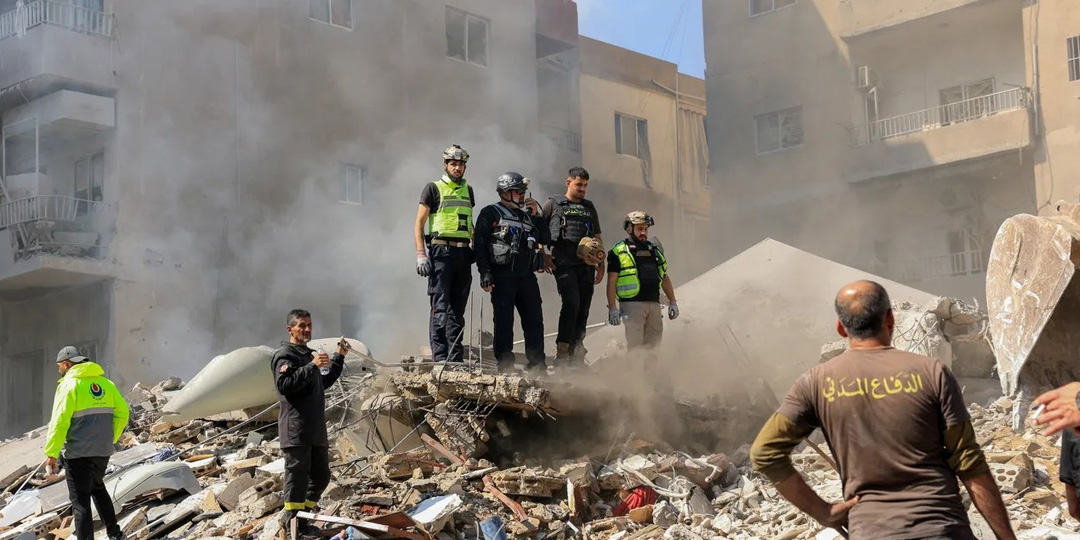
Simultaneously, Israeli airstrikes continued Saturday targeting southern Lebanese cities and towns. New strikes on the town of Tafaḥta killed five people and wounded a paramedic attempting to reach the strike site. The city of Nabatieh also came under renewed bombardment. The Israeli military announced two soldiers sustained moderate wounds in ground clashes in southern Lebanon, indicating ongoing direct combat operations. These developments underscore the intensification of both aerial and ground warfare despite previous ceasefire arrangements.
Lebanese Health Ministry Announces Official Casualty Tallies
The Lebanese Health Ministry released comprehensive casualty statistics from the ongoing offensive. The ministry reported total casualties reaching 2,020 deaths and 6,436 wounded, reflecting the accumulation of massive human losses over more than a month of continuous military operations.
Official figures from the Health Ministry serve as the primary indicator of the humanitarian catastrophe unfolding across the nation, demonstrating sustained and escalating military operations.
Daily Casualty Rates and Casualty Trends
The cumulative total indicates extremely high daily mortality rates, with average daily deaths reaching approximately 45 martyrs per day since the offensive began. This rate reflects the intensity of military operations and aerial bombardment across Lebanese territories.
Israeli Airstrikes Continue Against Southern Lebanese Towns
Israeli aircraft maintained bombardment campaigns against southern Lebanon on Saturday, targeting multiple towns and cities throughout the region. Fresh strikes on the town of Tafaḥta produced significant destruction and human casualties.
The Lebanese National News Agency reported “the strike targeted the town of Tafaḥta in southern Lebanon resulting in five deaths and wounding a paramedic approaching the strike site.” The targeting of medical personnel represents additional danger for healthcare and rescue workers responding to emergency situations.
Targeting Medical and Emergency Personnel
The wounding of paramedics suggests a potential pattern of targeting medical and rescue workers, placing additional strain on Lebanon’s already overwhelmed healthcare system burdened with enormous numbers of casualties.
Bombardment of Nabatieh, Major Southern City
New Israeli airstrikes targeted Nabatieh, one of southern Lebanon’s largest cities, on Saturday. Lebanese media reported “Israeli airstrikes targeted the city of Nabatieh in southern Lebanon,” reflecting geographic expansion of military campaigns.
Nabatieh represents a significant population center and administrative hub. Any strikes against the city likely result in substantial civilian casualties given population density.
Geographic Expansion of Military Operations
The targeting of a major city such as Nabatieh demonstrates clear geographic expansion of Israeli military campaigns, indicating operations extend beyond border villages to encompass major urban centers.
Israeli Army Reports Soldiers Wounded in Southern Lebanon Clashes
The Israeli military announced Saturday that two soldiers sustained moderate wounds in ground clashes in southern Lebanon. Military statements reported “two soldiers were wounded with moderate injuries in clashes in southern Lebanon,” indicating continued ground combat and direct military engagement.
These Israeli casualties reflect the presence of Israeli ground forces engaged in direct combat with resistance elements.
Nature of Ground Combat and Direct Engagement
Israeli casualty reports indicate a pattern of close-range ground combat, reflecting the presence of advanced Israeli forces in Lebanese territories encountering organized local resistance.
Cumulative Casualty Tolls Continue Escalating
Israeli offensive casualty figures continued accumulating daily. The Lebanese National News Agency reported “Israeli offensive casualties against Lebanon have risen to 1,953 deaths and 6,303 wounded according to the latest official preliminary casualty count,” figures surpassed by the Health Ministry’s updated count (2,020 and 6,436).
Discrepancies between casualty figures reflect different reporting dates and accelerating daily casualty rates.
Continuous Updates to Official Casualty Records
Ongoing casualty count updates indicate sustained offensive operations and accelerating bombardment rates. The gap between figures (67 additional deaths and 133 additional wounded) demonstrates the scale of daily losses.
Escalating Humanitarian Crisis
Official figures reflect a severe humanitarian emergency. Total casualties (2,020 deaths and 6,436 wounded) mean approximately 8,456 individuals suffered direct combat casualties, in addition to psychological and social impacts affecting millions of civilians.
Strain on Healthcare Systems and Services
- The large number of wounded (6,436)
- Enormous pressure on Lebanese hospitals
- Medical facilities suffering from resource scarcity
- Shortages in medical supplies
Regional and International Context of Military Offensive
The Israeli offensive against Lebanon followed escalating cross-border tensions, with Hezbollah conducting repeated attacks provoking broad Israeli military response. The offensive occurs within a wider regional war encompassing Israeli operations against Iran and affiliated armed groups.
Historical Context of Israeli-Lebanese Conflict
Current escalation reflects continuation of repeated patterns of cross-border tensions and conflict, with Lebanon’s southern region experiencing chronic instability and security vacuum.
Diplomatic Efforts and Temporary Ceasefire Arrangements
Despite existing ceasefire arrangements and international diplomatic efforts, these measures proved unable to halt the current Israeli offensive. Continuation of operations indicates ineffectiveness of existing arrangements or Israeli refusal to comply with provisions.
Failure of Current Peaceful Resolution Mechanisms
Offensive escalation despite diplomatic efforts reflects failure of current mechanisms for peaceful conflict resolution, indicating urgent need for new security and political arrangements.
Impact on Civilian Infrastructure and Services
The escalating bombardment threatens essential civilian infrastructure including hospitals, water systems, power supplies, and communication networks. The targeting of medical personnel raises concerns about potential strikes against healthcare facilities themselves.
Civilian Access to Essential Services
Damage to infrastructure compounds the humanitarian emergency, limiting civilian access to clean water, electricity, medical care, and other essential services already strained by massive casualty numbers.
Conclusion
Official casualty figures from the Lebanese Health Ministry document a major humanitarian catastrophe unfolding in Lebanon. The toll of 2,020 deaths and 6,436 wounded since the offensive began represents thousands of destroyed families and devastated lives. Continuation of strikes against major cities such as Nabatieh and Tafaḥta suggests absence of clear distinction between military and civilian targets. The fundamental question remains whether ongoing diplomatic efforts can halt the offensive and prevent continued escalation of the humanitarian toll, or whether conflict will continue with perpetual suffering of Lebanese civilian populations.