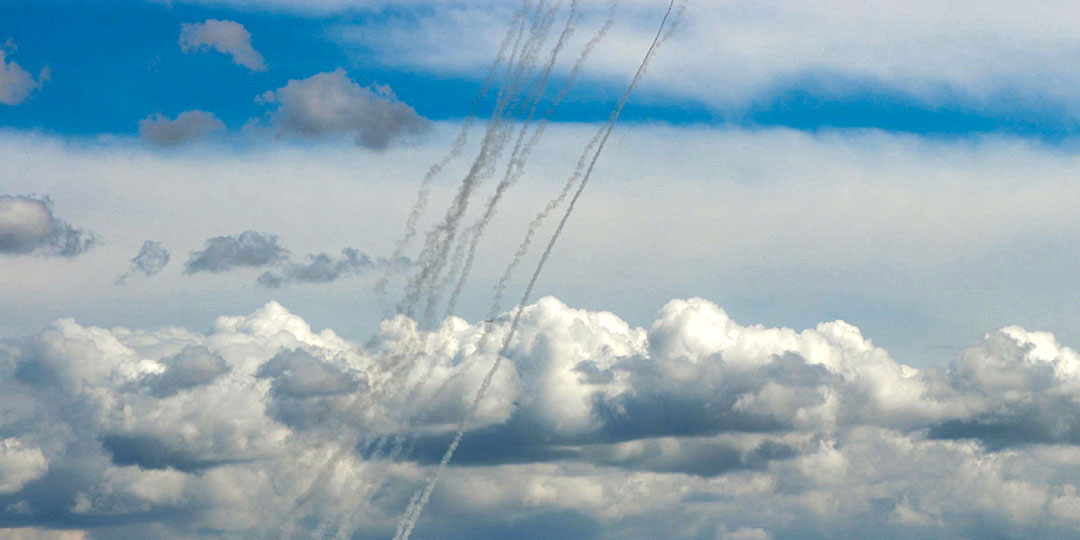

Israel’s military announced Thursday that its forces completed a comprehensive wave of strikes targeting Iranian infrastructure across multiple regions including the central city of Isfahan, representing continuation of accelerating military operations into the fourth week of the Middle East conflict. Simultaneously, Admiral Brad Cooper, commander of US Central Command, stated that American and Israeli forces have destroyed approximately two-thirds of Iran’s missile and drone production facilities and similar proportions of naval production capabilities, with estimates indicating 92 percent of Iran’s largest naval vessels have been damaged or destroyed. The convergence of Israeli operational announcements and US damage assessments indicates both countries assess they have achieved significant degradation of Iranian military production capacity while maintaining pressure through sustained strike operations.
The breadth of Israeli strikes combined with US assessment of massive Iranian weapons production destruction suggests military operations have progressed beyond initial targeting phases toward strategic objective of degrading Iran’s capacity for sustained military operations and regional power projection.
Israel Completes Wide-Scale Wave of Strikes Across Iran
Israel’s military announced that its forces “completed a wide-scale wave of strikes targeting infrastructure of the Iranian terror regime in several areas across Iran,” with specific targeting of the central city of Isfahan. The characterization of the operation as “wide-scale wave” completed suggests coordinated multi-phase operation targeting distributed infrastructure across Iran rather than isolated individual strikes.
The inclusion of Isfahan, a major industrial and cultural center in central Iran, in the targeting indicates Israeli strategy to degrade broader Iranian infrastructure networks beyond military installations to include economic and industrial capacity supporting military production.
Isfahan Targeting and Strategic Implications
The specific targeting of Isfahan suggests Israeli assessment that the city hosts important military-related industrial or infrastructure that contributes to Iranian military capabilities. Isfahan hosts nuclear technology facilities and industrial plants potentially relevant to Iranian weapons production and delivery systems.
The targeting of Isfahan expands the geographic scope of Israeli operations beyond previous patterns of concentrated strikes on specific military facilities to include broader infrastructure affecting Iranian economic and military production capacity.
US Assesses Massive Destruction of Iranian Weapons Production
Admiral Brad Cooper, commander of US Central Command, stated that American and Israeli forces have destroyed approximately two-thirds of Iran’s missile and drone production facilities and comparable proportions of naval shipyard and production capacity. Cooper estimated that 92 percent of Iran’s largest naval vessels have been damaged or destroyed, significantly reducing Iran’s capacity to project naval power.
Cooper stated that US forces have now struck over 10,000 military targets since the conflict began on February 28, indicating scale of military operations far exceeding typical regional conflicts. The destruction of two-thirds of Iran’s weapons production capacity represents strategic achievement in degrading Iranian military output.
Weapons Production Destruction Assessment
The destruction of two-thirds of Iranian missile and drone production facilities represents unprecedented damage to Iranian military production capacity from a single sustained military campaign. The simultaneous destruction of comparable proportions of naval production capacity and 92 percent of major naval vessels creates comprehensive degradation of Iranian military projection capability across multiple domains.
Cooper’s assessment that “they’ve now lost the ability to meaningfully project naval power and influence around the region and around the world” reflects evaluation that Iranian military has lost capacity for sustained operations beyond immediate regional defense.
Iranian Drone and Missile Launch Rates Decline 90 Percent
Despite massive destruction of production facilities, Admiral Cooper stated that Iranian drone and missile launch rates have declined 90 percent, indicating either significant depletion of Iranian stockpiles or reduced operational tempo. Cooper emphasized that “we’ve also removed the regime’s ability to rebuild them,” suggesting that destruction of production capacity will create sustained reduction in Iranian offensive capability.
The 90 percent decline in launch rates despite continued Iranian attacks indicates Iranian forces are husband resources and attempting to maintain capability for critical responses rather than sustaining previous operational tempo.
Sustainability of Iranian Offensive Operations
The decline in Iranian launch rates combined with destruction of production facilities suggests Iranian offensive capacity will continue to degrade over time as existing stockpiles are consumed without replacement capacity. The strategic achievement lies not only in current destruction but in elimination of Iranian capacity to reconstitute weapons production for sustained operations.
US Forces Strike Over 10,000 Military Targets
Admiral Cooper stated that US forces have now struck over 10,000 military targets since the conflict began February 28, representing unprecedented scale of military operations. The rate of 10,000+ targets over approximately four weeks indicates approximately 250 targets per day, demonstrating intensity of air campaign operations.
The broad scope of targeting indicates strategy to comprehensively degrade Iranian military infrastructure across all domains rather than focusing on specific high-value objectives.
Comprehensive Infrastructure Targeting Strategy
The targeting of over 10,000 military targets indicates systematic approach to degrading all components of Iranian military infrastructure. The strategy appears designed to create cumulative damage across distributed targets rather than focusing on precision strikes against individual high-value objectives.
UAE Responds to Iranian Missile and Drone Attack
The UAE’s defense ministry announced Thursday that Emirati air defenses were responding to incoming Iranian missile and drone attacks. The active defense response indicates Iran continued attacks despite significant degradation of weapons production capacity and previous attack waves.
The continued Iranian attacks despite assessment of massive weapons destruction suggests either Iran maintains larger stockpiles than initially assessed or Iranian leadership has decided to maintain attack operations despite unsustainable depletion rates.
Continued Iranian Offensive Operations
Iran’s continuation of missile and drone attacks despite reported 90 percent reduction in launch rates and loss of two-thirds of production capacity indicates Iranian decision to maintain offensive operations even as unsustainable resource depletion becomes apparent.
Iran Claims Strait of Hormuz Closed Only to Enemies
Iranian Foreign Minister Abbas Araghchi stated Wednesday that the Strait of Hormuz was “closed only to enemies,” claiming that Iran had “provided safe passage” for ships from friendly nations. The characterization distinguished between comprehensive closure and selective blockade targeting specific shipping.
Araghchi stated: “There is no reason to allow the ships of our enemies and their allies to pass,” establishing Iran’s position that blockade represents legitimate defensive measure against hostile nations rather than indiscriminate interruption of global commerce.
Selective Blockade Characterization
Iran’s claim that the Strait of Hormuz is open to friendly nations while closed to enemies represents attempt to distinguish between blockade as strategic measure against hostile nations rather than violation of international law regarding freedom of navigation.
The characterization provides Iran political cover for effective closure of the strait to most international shipping while maintaining that some passage is permitted to approved nations.
Iran Seeks War End on Its Own Terms
Foreign Minister Araghchi stated that Iran wanted to end the war “on our own terms, of course, and in a way that it will not be repeated here again.” The statement indicates Iran seeks negotiated settlement that incorporates guarantees against future conflict rather than unconditional ceasefire.
Araghchi’s statement that the conflict “will not be repeated here again” suggests Iran seeks agreement addressing underlying causes of conflict rather than simple cessation of hostilities.
Iranian Negotiation Position
Iran’s insistence on ending war “on our own terms” combined with demand for guarantees against repetition indicates Iran seeks negotiated agreement rather than military defeat acceptance. The position suggests Iranian willingness to engage in negotiation but only from position protecting Iranian interests and demanding commitments regarding future behavior.
Discrepancy Between White House and Iranian FM on Negotiations
The White House stated that talks with Iran were ongoing, but Araghchi contradicted this characterization, stating that Iran “did not plan to negotiate with the United States.” The disagreement regarding negotiation status illustrates communication challenges and potential misrepresentation of diplomatic engagement status.
Negotiation Status Ambiguity
The conflicting statements regarding whether active negotiations are occurring or whether Iran is engaged in discussions creates ambiguity about actual diplomatic status. Both sides appear to be using messaging regarding negotiations as tactical element of broader conflict communication strategy.
Strategic Military Assessment and Sustainability
Admiral Cooper’s statement that US and Israeli forces “remain on plan or ahead of plan in achieving very clear objectives” for the conflict suggests military operations have achieved initial strategic objectives faster than anticipated timelines. The assessment indicates confidence in military progress but stops short of claiming imminent victory.
Operational Objectives Achievement
The achievement of objectives including destruction of two-thirds of Iranian weapons production facilities and 92 percent of major naval vessels represents significant military success. However, continued Iranian attacks despite massive destruction indicates Iran retains capability for resistance and potential negotiation from position of having preserved some military capacity.
Fourth Week Conflict Assessment
As the conflict enters its fourth week, military operations have achieved significant destruction of Iranian military infrastructure while Iran maintains offensive operations despite unsustainable resource depletion. The situation presents potential for negotiated settlement with Iran seeking terms protecting its interests while US and Israeli forces assess they have achieved sufficient military advantage.
Regional and Global Economic Impact Persistence
Despite military achievements in degrading Iranian weapons production, the effective closure of Strait of Hormuz continues creating global economic pressure through sustained energy supply disruptions. The military success in degrading Iranian military capacity has not resolved the economic crisis created by maritime commerce disruption.
Key Strategic Developments:
- Israel completes wide-scale wave of strikes across Iran
- Isfahan specifically targeted in operations
- US destroys approximately 2/3 of Iranian missile/drone production
- 92 percent of Iran’s largest naval vessels damaged or destroyed
- US strikes over 10,000 military targets total
- Iranian drone/missile launch rates decline 90 percent
- Iran loses ability to rebuild destroyed production capacity
- UAE responds to continued Iranian missile and drone attacks
- Iran claims Strait of Hormuz closed only to enemies
- Iran seeks war end on its own terms with guarantees
- White House claims ongoing negotiations contradicted by Iran FM
- Military operations continue through fourth week of conflict