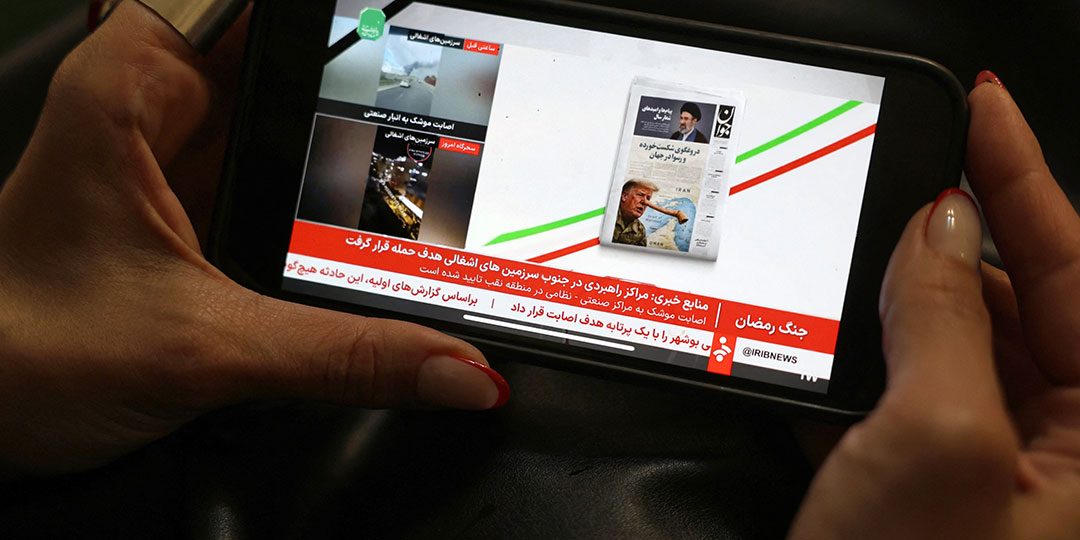

Iranian newspapers and media outlets launched a coordinated campaign of ridicule on Wednesday against US President Donald Trump, accusing him of lying about ongoing diplomatic negotiations to end the Middle East war. The Iranian press published caricatures comparing Trump to Pinocchio, the fictional character famous for his nose growing with each lie, and suggested that Trump’s claims about “very good” talks with Iranian officials were fabrications designed to manipulate global markets. The scathing Iranian response came after the government had officially denied any negotiations with the United States, contradicting Trump’s repeated public statements about active peace talks.
The campaign reflects broader Iranian skepticism about American sincerity and suggests that Tehran views Trump’s diplomatic overtures as strategic deception rather than genuine efforts to resolve the conflict.
Pinocchio Comparisons and Harsh Caricatures
Conservative newspaper “Javan” featured a front-page caricature depicting Trump with an elongated nose hovering over a map of the Strait of Hormuz beneath the headline “World’s Greatest Liar and Man Without Honor.”
The caricature’s message was unmistakable: a direct comparison to Pinocchio, the character whose nose grows with each falsehood. The symbolism carried clear meaning to Iranian audiences: Trump cannot be trusted, and his words hold no value.
Symbolism in the Imagery
The choice to use Pinocchio imagery was deliberate and meaningful. It reflected an Iranian conviction that Trump engages in constant deception and that his statements cannot be relied upon. The comparison suggested that just as Pinocchio’s nose grew with fabrications, Trump’s credibility shrinks with each false claim about negotiations.
Contextual Background: Trump’s Surprise Announcement
On Monday, just hours before a deadline Trump had set for Iran to open the strategic Strait of Hormuz or face strikes on power plants, the American president suddenly announced ongoing talks with Tehran. The announcement came as a surprise given weeks of escalating military operations and harsh rhetoric.
Iran’s authorities immediately and categorically denied any negotiations with the United States, whether direct or indirect. A senior Iranian official told state media that Trump was “negotiating with himself.”
Suspicious Timing of the Announcement
Iranians viewed the timing of Trump’s announcement as highly suspicious. The sudden pivot from threats to peace talk announcements appeared calculated to influence global markets rather than reflecting genuine diplomatic progress.
Iranian Accusations: Trump Lying to Manipulate Oil Markets
Newspaper “Javan” accused Trump of fabricating talks to calm markets and reduce global oil prices, which had surged sharply since the outbreak of hostilities on February 28.
The newspaper noted that “since Iran denied the existence of negotiations, oil and gas prices have risen again,” comparing Trump to “a gambler on a losing streak” in a war he believed he could settle quickly and decisively.
Economic Motivations for Alleged Deception
The Iranian accusation suggested that Trump’s false claims about negotiations were strategically designed to achieve economic objectives. With oil prices at record levels due to Middle East war concerns, statements about peace talks could theoretically reduce prices and ease global economic pressures that might affect American domestic politics.
Satirical Coverage Across Iranian Media
Beyond “Javan,” other Iranian media outlets participated in the mockery campaign. The Tasnim news agency published images of Trump with unkempt hair and facial expressions suggesting defeat and desperation.
Newspaper “Sabah Now” (Sabah-e No) featured the headline “Politics of Lies,” repeating sentiments expressed across Iranian media outlets.
Coordinated Media Campaign
The repetition of similar messages across multiple Iranian media outlets suggested coordinated direction from the government to unify the message opposing American claims about negotiations.
Iranian Military Spokesman’s Sarcastic Response
The spokesman for Iran’s armed forces joined the mockery in remarks broadcast widely on state television, stating that the American president was “negotiating with himself.”
This official military statement elevated the ridicule beyond merely editorial opinion to the status of an official government position.
Military-Level Endorsement of Critique
Using an official military spokesman to deliver sarcasm indicated that skepticism about Trump’s claims extended to Iran’s highest security institutions. This was not merely media commentary but government position.
Ibrahim Dhou al-Faqari: Iran’s Viral War Spokesman
Iran’s student news agency (ISNA) dedicated coverage to Ibrahim Dhou al-Faqari, a television personality described as a “war phenomenon” who appears constantly on state broadcasts discussing military developments.
Among warnings in Persian directed at “the enemy” and lists of Iran’s military achievements, Dhou al-Faqari sometimes switches between Farsi, Arabic, and even English.
Polyglot Communication Strategy
The spokesman’s ability to communicate in multiple languages allowed Iran to reach diverse regional and international audiences with messaging tailored to each linguistic group.
Clever Wordplay: “Trump, You’re Fired!”
In recent days, Dhou al-Faqari garnered attention by adapting one of Trump’s signature phrases into “Trump, You’re Fired!”—turning Trump’s own famous catchphrase against him.
Weaponizing American Pop Culture
The clever use of Trump’s own television-era catchphrase demonstrated sophisticated understanding of American celebrity culture and how to use it against Trump himself. By repurposing his own famous words, Iranian media made the critique sting more sharply.
Broader Context: Media Warfare Alongside Military Conflict
The Iranian mockery campaign reflects parallel information warfare running alongside military operations. While the military conflict continues, Iran is simultaneously conducting a campaign to undermine American credibility and sow doubt about US intentions.
Modern Warfare’s Information Component
In contemporary conflicts, information warfare and propaganda play roles equal to or sometimes exceeding direct military operations. Iran’s media campaign aims to shape both domestic opinion and international perceptions of American reliability.
Objectives of the Iranian Campaign
The mockery serves multiple objectives: strengthening domestic support for the Iranian government’s resistance, delegitimizing American diplomatic overtures, and signaling to international actors that Iran cannot be pressured through false promises of peace.
Domestic Impact on Iranian Public Opinion
The coordinated ridicule of Trump likely strengthens anti-American sentiment within Iran and bolsters public support for the government’s hardline position. By portraying the American president as untrustworthy and deceptive, Iranian media reinforces justifications for continued resistance.
Rallying the Population
During wartime, such campaigns help maintain public morale and social cohesion by providing a shared narrative of American deception and Iranian steadfastness.
International Dimensions of the Campaign
While primarily targeting Iranian domestic audiences, the campaign may also influence how other regional and international actors perceive Trump’s reliability and the seriousness of American negotiating positions.
The Credibility Gap
The stark contrast between Trump’s claims about ongoing negotiations and Iran’s categorical denial of such talks creates a significant credibility problem for the American president. Even among US allies, Trump’s shifting statements about the war’s progress and timelines have generated skepticism.
Erosion of American Credibility
International actors observing the contradiction between Trump’s statements and Iranian denials may conclude that American leadership lacks consistency or trustworthiness, potentially weakening the US position in future negotiations.
Historical Context: Trump’s Pattern of False Claims
The Iranian media campaign built on a broader narrative about Trump’s history of misleading statements regarding the Middle East, particularly his claims about military progress and timelines that repeatedly proved inaccurate or exaggerated.
Pattern Recognition by International Observers
Iran’s mockery gains credibility because it references a demonstrable pattern of Trump making unverified claims about military achievements and negotiating progress without substantiation.
Language and Cultural Elements in the Campaign
The use of Pinocchio imagery, a Western cultural reference, demonstrated Iran’s sophistication in deploying globally recognizable symbols to communicate criticism of American leadership.
Conclusion:
The Iranian media campaign mocking Trump’s claims about negotiations represents a coordinated strategy to undermine American credibility and delegitimize US diplomatic initiatives. Through caricatures, sarcasm, clever wordplay, and official military statements, Iranian outlets have constructed a coherent narrative portraying the American president as fundamentally untrustworthy. This information campaign runs parallel to military operations and reflects Iran’s understanding that modern warfare encompasses media and perception management alongside conventional military action. As long as Trump continues making statements about negotiations that Iran denies, the credibility gap will persist, potentially complicating any eventual diplomatic efforts to resolve the conflict.