
The dollar climbs against major currencies as financial markets react to the expanding Iran war, which has disrupted global energy supplies and heightened fears of stagflation. The conflict has pushed oil and gas prices sharply higher and is straining international trade routes, including the Strait of Hormuz.
Economists warn that prolonged instability could pressure global growth, drive inflation, and deepen uncertainty across markets closely linked to Middle Eastern energy flows.
Dollar strengthens amid market uncertainty
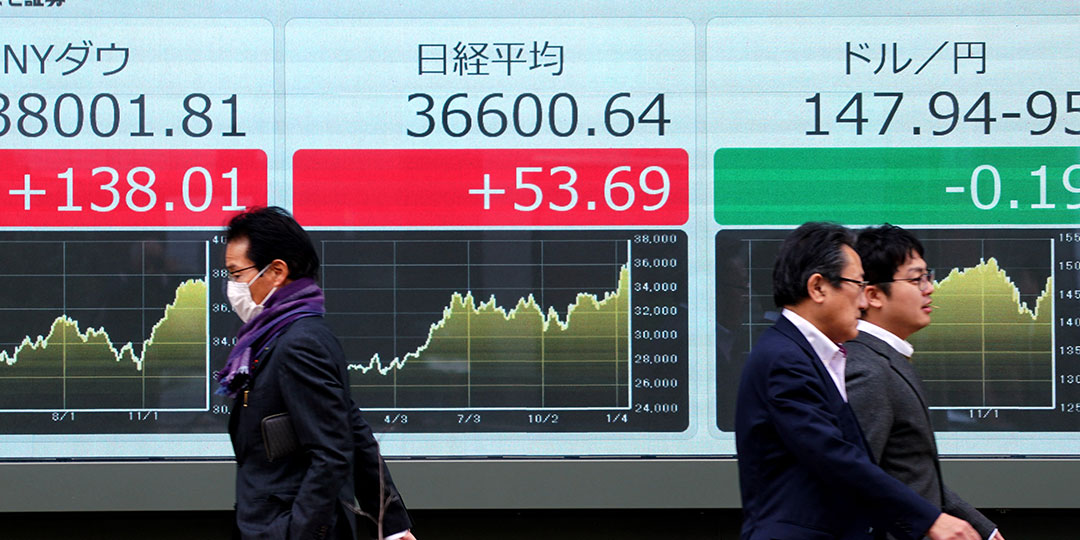
The US dollar gained more than one percent against the euro on Monday, trading at 1.1691 dollars, as investors sought safer assets. It also rose against the Japanese yen and Swiss franc.
The currency surge came as European gas prices soared more than 50 percent amid the widening conflict.
Energy prices spike as war disrupts supply
The conflict has severely reduced traffic through the Strait of Hormuz, where about 20 percent of global seaborne oil transits. Several tankers have been attacked, effectively choking one of the world’s most critical energy corridors.
Brent crude rose nearly nine percent to 79.30 dollars per barrel and briefly surpassed 80 dollars. Prices have increased sharply from 61 dollars at the start of the year. Economists warn that oil could rise to 110 dollars if tensions persist.
Qatar halts LNG production after Iranian attacks
QatarEnergy announced a complete halt to LNG output after Iranian drone attacks targeted facilities at Ras Laffan Industrial City and Mesaieed Industrial City.
The company said production was stopped to ensure safety at what is the world’s largest LNG processing site. Qatar’s defence ministry confirmed the strikes, though no casualties were reported.
Market reaction to Qatar shutdown
European benchmark LNG prices jumped nearly 45 percent following the announcement. Analysts described Qatar’s move as unprecedented but precautionary, noting that the closure of Hormuz is having a larger overall market impact.
Qatar, which shares the massive North Field gas reservoir with Iran, is one of the world’s biggest LNG producers and a key supplier to Europe and Asia.
Israel shuts gas field as regional conflict widens
Chevron suspended production at Israel’s offshore Leviathan field after instructions from the Israeli Ministry of Energy. The shutdown followed the US-Israeli military strikes on Iran.
The Leviathan project supplies gas to Israel, Egypt, and Jordan. Rising tensions have caused both oil and gas prices to spike internationally.
Impact on trade and economic stability
Economists warn that the combination of disrupted energy routes, rising freight costs, and aviation detours across the Gulf region could hit global trade at a fragile moment. Supply chains already under pressure from tariffs, post-Covid fragmentation, and the Ukraine war face additional stress.
Natixis economists said prolonged disruption in Hormuz carries “major implications” for inflation and market stability, with China especially vulnerable due to its heavy reliance on oil shipped through the strait.
Potential global economic fallout
ING economists said that a long conflict could combine high energy prices, logistical disruption, and low business confidence to create a “meaningful drag” on global trade.
According to Coface estimates, a sustained 15-dollar increase in Brent could lower global growth by 0.2 percentage points and add 0.5 points to inflation.
Conclusion:
As the Iran war affects critical energy and trade routes, global markets face rising risks of stagflation. With oil and gas supplies disrupted and investor confidence falling, the world economy enters a period of heightened uncertainty.