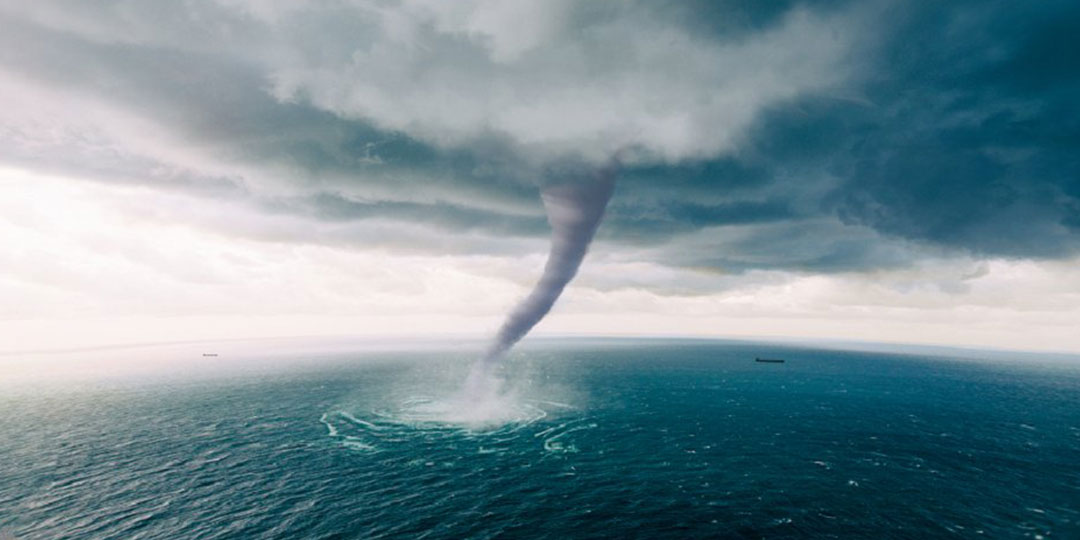

The United States is confronting two major weather emergencies simultaneously, as Super Typhoon Bavi approaches U.S. territories in the Pacific while an intense heatwave disrupts celebrations marking the nation’s 250th Independence anniversary. Authorities have issued emergency warnings as both events threaten public safety and critical infrastructure.
Super Typhoon Bavi Threatens U.S. Pacific Territories
Super Typhoon Bavi is moving toward Guam and the Northern Mariana Islands with sustained winds reaching 259 km/h (161 mph) and stronger gusts, prompting emergency preparations across the region.
Local authorities declared a state of emergency as residents rushed to purchase fuel, food, water, and other essential supplies ahead of the storm’s expected arrival.
Emergency Preparedness Underway
- State of emergency declared in Guam and the Northern Mariana Islands.
- Residents urged to prepare for Category 5-equivalent conditions.
- Emergency shelters and response teams activated.
- Increased demand for fuel and emergency supplies.
Extreme Heat Disrupts Independence Day Celebrations
Meanwhile, a severe heatwave forced the cancellation or postponement of numerous events celebrating the 250th anniversary of U.S. Independence, affecting several states across the country.
The extreme temperatures also placed significant pressure on electricity networks, prompting grid operators to urge consumers to reduce power consumption in order to avoid widespread outages.
Heatwave Impacts Public Events and Infrastructure
- Independence Day events canceled or postponed in multiple states.
- Temporary closure of major celebration venues in Washington, D.C.
- Increased strain on electricity grids due to record demand.
- Thousands of customers experienced power outages in New York.
- Heat warnings issued for more than 185 million people.
Extreme Weather Highlights Growing Climate Challenges
The simultaneous impact of a powerful typhoon in the Pacific and an intense heatwave across the mainland underscores the growing challenges posed by extreme weather events in the United States.
Authorities continue monitoring both situations while maintaining emergency response measures aimed at protecting lives, infrastructure, and essential services.
Authorities Remain on High Alert
Federal and local agencies are maintaining emergency preparedness efforts, closely tracking the typhoon’s path and the ongoing heatwave while coordinating response operations to minimize potential damage.
Conclusion
As Super Typhoon Bavi approaches U.S. Pacific territories and extreme heat continues to affect millions across the mainland, the United States faces a dual weather challenge that has disrupted daily life, strained infrastructure, and highlighted the increasing impact of extreme climate events.