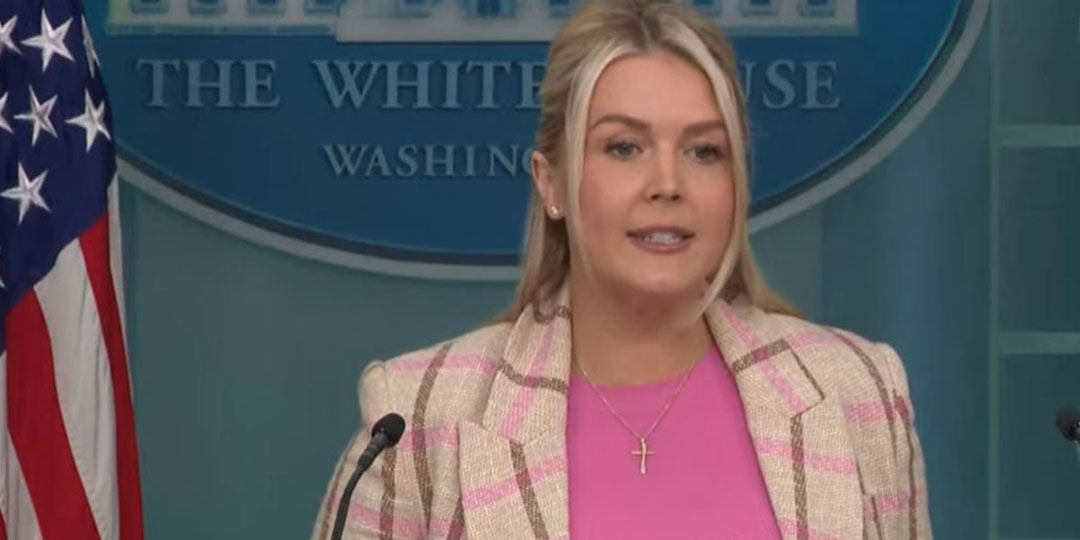

The Trump administration expressed growing optimism on Wednesday regarding prospects for reaching a comprehensive agreement with Iran, with White House Spokesperson Carolyn Levitt stating that “talks regarding Iran are productive and ongoing,” confirming that “discussions are underway regarding the possibility of direct talks with Iran.” The positive White House statement coincided with the Pentagon’s announcement of massive military reinforcements being deployed to the Middle East as a pressure mechanism intended to compel Iran toward accepting American terms.
In a parallel diplomatic development, a high-level Pakistani delegation led by Army Chief General Asim Munir visited Tehran carrying an American message concerning planning for a new round of negotiations. According to reporting by Axios, officials stated the sides have “drawn closer to achieving a framework agreement aimed at ending the war,” though “the challenge remains convincing Iranian government factions to accept the deal” before the April 21 ceasefire deadline expires. Multiple regional mediators including Pakistan, Egypt, and Turkey are coordinating efforts to narrow remaining differences between the negotiating parties.
White House Expresses Optimism on Deal Prospects
The administration signaled confidence in diplomatic progress. White House Spokesperson Carolyn Levitt stated during a press conference that the US “feels optimistic regarding prospects for achieving an agreement with Iran,” emphasizing that “upcoming negotiations with Iran will likely occur in Islamabad, which serves as the sole mediator.”
Levitt added that “we remain intensively engaged in negotiations regarding Iran,” clarifying that “talks regarding Iran are productive and ongoing,” with “discussions currently underway regarding the possibility of direct talks with Iran.”
Islamabad’s Role as Exclusive Diplomatic Mediator
The United States reaffirms Pakistan’s exclusive mediator role, reflecting American confidence in Islamabad’s capacity to influence Iranian decision-making on critical issues.
Pentagon Deploys Massive Forces as Pressure Tactic
In a move accompanying diplomatic channels, the Washington Post reported that American officials announced sweeping military plans. The newspaper reported that “the Pentagon will deploy thousands of additional forces to the Middle East in coming days,” as the Trump administration seeks to increase pressure on Iran.
Officials clarified that “reinforcements include approximately 6,000 troops aboard the American aircraft carrier USS George H.W. Bush, along with accompanying naval vessels.”
Scale of Military Reinforcements Deployed
Officials added that “approximately 4,200 additional troops from the Boxer Amphibious Ready Group and attached Marine Corps unit, the eleventh Marine Regiment, are expected to arrive by month’s end,” bringing total reinforcements to over 10,000 personnel.
Parallel Military and Diplomatic Pressure Strategy
The American administration’s strategy combines direct military pressure with diplomatic engagement as mechanisms for influencing Iranian decision-making on agreement terms.
Significant Progress Toward Framework Agreement
Axios reported that American officials confirmed “notable progress has been achieved in ongoing discussions between Washington and Tehran,” positioning the sides “to reach a framework agreement intended to end the war.”
The reporting indicated that “Pakistan, Egypt, and Turkey function as mediators to narrow differences between positions,” reflecting coordinated regional diplomatic effort supporting the negotiation process.
Multilateral Mediator Coordination
The involvement of multiple mediators reflects comprehensive regional diplomatic effort supporting the negotiation track and signaling unified international interest in conflict resolution.
US Negotiating Team Exchanges Proposals Behind the Scenes
According to Axios, the Trump administration’s negotiating team continues active engagement. The team includes “Vice President Vance, Envoy Steve Witcoff, and Senior Advisor Jared Kushner,” who are “exchanging proposal drafts with the Iranian side through back-channel communications.”
An American official stated “we are approaching a solution, but the challenge lies in persuading Iranian government factions to accept the agreement.”
Nature of Proposed Arrangements and Remaining Disagreements
Complete details of proposals remain unannounced, though statements suggest disagreements exist within the Iranian government regarding acceptance of American terms.
Pakistani Delegation Carries American Message to Tehran
Iran’s state television announced an important diplomatic visit on Wednesday. The broadcaster reported “an official Pakistani delegation is visiting Tehran currently to convey an American message and plan upcoming discussions.”
The report added that “Foreign Minister Abbas Araghchi will receive the high-level Pakistani delegation,” with “the Pakistani delegation carrying an American message to Tehran regarding planning for upcoming negotiation rounds.”
Delegation Leadership and Mission Importance
Iran’s Mehr News Agency confirmed that “the visiting Pakistani delegation is headed by Army Chief Asim Munir,” reflecting high diplomatic importance attached to the mission by both nations.
Agreement in Principle on Meeting, but No Concrete Details
The Wall Street Journal reported that according to American officials, “Washington and Tehran have agreed in principle to hold a meeting, but have not yet established a date or location.”
This statement reflects limited concrete progress on the diplomatic track, with numerous details remaining subject to negotiation.
Remaining Gaps and Narrow Timeline
With the ceasefire deadline approaching April 21, significant time pressure exists for finalizing negotiations before the current arrangement expires.
Pakistan Prepares to Host Potentially Decisive Talks
Pakistan’s Geo television reported, citing official sources, that “directives have been issued to ensure logistical and security readiness for hosting talks between Iran and the United States.”
This preparation reflects expectations that Islamabad will host final negotiations potentially determining the negotiation outcome.
Pakistan’s Technical and Operational Role
Pakistan’s responsibilities extend beyond diplomatic mediation to encompassing logistical and security aspects ensuring successful negotiations.
Time Pressure and Parallel Diplomatic Activities
Multiple simultaneous diplomatic activities and synchronized timelines reflect a sense of urgency toward reaching agreement. The Pakistani delegation visit, American-Iranian back-channel communications, and logistical preparations in Islamabad collectively signal a compressed timeline before April 21.
Success Probability Assessment
Despite visible American optimism, the Iranian side maintains public caution, potentially indicating broader negotiating space or internal Iranian government disagreements regarding terms.
Regional and International Dimension
The involvement of Egypt and Turkey alongside Pakistan as mediators underscores a unified regional approach to supporting diplomatic resolution. This multilateral mediation strategy suggests international stakeholders perceive mutual interest in preventing continued escalation.
Broader Strategic Interests in Conflict Resolution
Multiple regional powers’ involvement indicates recognition that continued conflict threatens wider regional stability affecting all parties.
Conclusion:
The current dynamics of US-Iran negotiations reflect a complex mixture of military pressure and diplomatic engagement. While the American administration expresses optimism regarding agreement prospects, Iran maintains caution at the public level. The compressed timeline before ceasefire expiration on April 21 functions as a powerful incentive for both sides to reach settlement, yet fundamental disagreements over agreement details suggest negotiations may extend beyond the specified deadline if bargaining acceleration does not occur. The outcome remains contingent on whether last-minute diplomatic concessions can bridge remaining gaps or whether the current ceasefire arrangement faces renewed collapse.