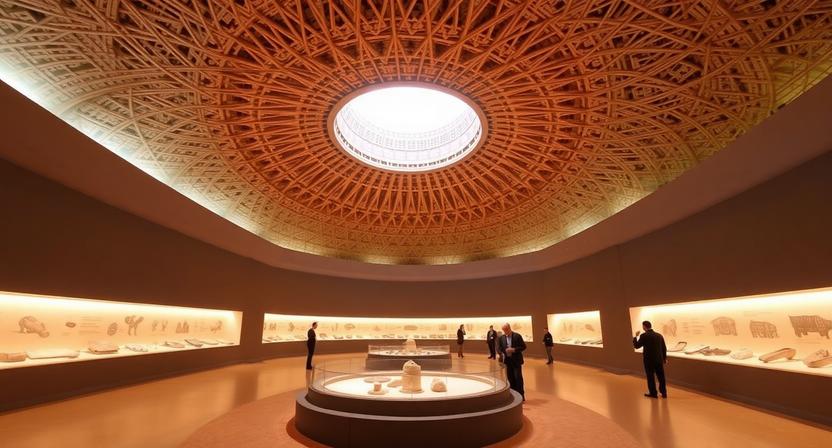

As the desert sun glints off the modern glass and stone of the newly completed UR World Museum, Iraq is preparing to launch what is being called the “Sumerian Renaissance.” With the project now sitting at 95% completion, new details have emerged about the high-tech interior and the strategic global partnerships that will make this site a permanent fixture on the world travel map.
The “Fortress of Sumer”: High-Security Heritage
The UR World Museum isn’t just a place of display; it is a high-security vault for the nation’s history. Iraq News confirms that the museum features specialized fortified rooms built with reinforced concrete and advanced climate-control systems. These windowless chambers are designed to protect Iraq’s most sensitive gold and gemstone artifacts from both the elements and security threats, ensuring that treasures like the jewelry of the Royal Tombs remain safe for centuries to come.
The architectural layout is equally impressive:
-
The Grand Atrium: A 12-meter high entrance hall designed to evoke the scale of ancient ziggurats.
-
The 28 Halls: Spanning 5,000 square meters of exhibition space, each hall is themed—from the “Hall of Cuneiform” to the “Gallery of Kings.”
-
The 400-Meter Safe: A massive specialized storage area of 400 square meters is located on-site to handle ongoing excavations.
The “House of Tolerance”: A Global Beacon
One of the most significant additions to the Ur Tourist City is the House of Tolerance. Inspired by the 2021 papal visit, this interfaith center is designed to be a “neutral canvas” for spiritual reflection. It features a central forum for international dialogue, a library of ancient religious texts, and spaces for meditation that welcome pilgrims of all faiths. It positions Ur not just as an archaeological site, but as a living center for global peace.
An Academic Powerhouse
In a move to ensure the museum’s longevity, a groundbreaking agreement has been signed between the University of Dhi Qar and the General Authority for Antiquities.
-
Living Laboratory: The UR World Museum will serve as a training ground where Iraqi students and international researchers will work side-by-side on live restoration projects.
-
150 Unexplored Sites: The partnership will focus on the 150+ unexcavated sites in the immediate vicinity, meaning the museum’s collection of 10,000 artifacts is expected to grow every year.
Connectivity: The $280 Million Gateway
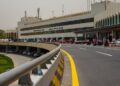
The project’s success is tied to the Nasiriyah International Airport, which is currently in its final testing phase. Built by the China State Construction Engineering Corporation (CSCEC) at a cost of approximately $280 million, the airport is designed to handle 750,000 passengers annually. A dedicated 25-kilometer motorway now connects the airport directly to the UR World Museum and the Inanna International Hotel, creating a seamless “tourist corridor.”
The Impact: A Cultural and Tourism Revolution
The completion of the UR World Museum marks a profound turning point for Iraq, signaling a transition from a nation of conflict to a global leader in heritage preservation. Beyond its architectural beauty, the project is a vital economic engine designed to diversify Iraq’s economy away from oil. By positioning Dhi Qar as a premier cultural hub, the museum is expected to be the primary driver for Iraq’s ambitious goal of attracting 10 million tourists by 2045. Locally, it creates a sustainable ecosystem of jobs—from specialized museum curators and archaeologists to hospitality staff at the Inanna Hotel and local artisans in the traditional markets.
For the Iraqi people, the completion of the UR World Museum transcends its $14.5 million budget; it is a profound act of cultural reclamation. By bringing home over 10,000 artifacts and establishing a state-of-the-art sanctuary for them, Iraq is asserting its role as the rightful custodian of the “Cradle of Civilization.” This project serves as a bridge between a glorious Sumerian past and a modern, stable future—fostering a renewed sense of national pride and ensuring that the stories of the world’s first writers and lawgivers are told by their own descendants. In the heart of Nasiriyah, history isn’t just being preserved; it is being reborn.
This spirit of revival is not limited to the south. A similar archaeological awakening has taken hold in the north, where in late 2025, the Ministry of Culture announced the discovery of the largest Assyrian winged bull (Lamassu) ever recorded. Uncovered at King Esarhaddon’s palace in Mosul, this nearly six-meter-tall titan mirrors the grand scale of the Ur project. Together, these milestones from Nineveh to Dhi Qar signal a unified national era, as Iraq’s ancient guardians rise once more to welcome the world.