As the clock ticked toward midnight GMT Wednesday, President Donald Trump’s ultimatum to Iran reached its critical moment, triggering an intensification of military operations across the region that signals the complete breakdown of diplomatic channels. Trump warned that unless Iran reopened the Strait of Hormuz to shipping by the deadline, the United States would unleash what he characterized as “complete demolition” of Iran’s critical infrastructure, including bridges, power plants, and oil terminals. Hours before the deadline, U.S.-Israeli forces launched strikes on Kharg Island, home to Iran’s main oil export terminal, while hitting bridges, highways, and railway infrastructure throughout Iran. Oil prices surged above $114 per barrel as markets absorbed the reality that diplomatic resolution had failed and military escalation would continue unchecked. Both Trump and Iranian officials rejected an international ceasefire proposal mediated by Pakistan, Egypt, and Turkey, with Iran demanding guarantees against future attacks and an end to Israeli strikes on its Lebanese ally Hezbollah. The UN Security Council prepared a vote on a watered-down resolution regarding the Hormuz blockade as the conflict entered what regional observers warned was an uncontrollable phase. Meanwhile, Filipino and Japanese nationals faced death in the crossfire, while Qatar and regional mediators warned the war was approaching a point of no return.
The convergence of failed diplomacy, escalating military strikes, and threatening rhetoric signals entry into a dangerous new phase where conflict expansion appears increasingly likely.
Trump Issues Stark Ultimatum; Threatens “Complete Demolition” of Iranian Infrastructure
President Trump issued an extraordinary ultimatum to Iran, declaring that unless Tehran allowed free passage through the Strait of Hormuz by midnight GMT Wednesday, the United States would destroy Iranian infrastructure on a massive scale. Speaking at a press conference, Trump stated:
“We have a plan where every bridge in Iran will be decimated by 12 o’clock tomorrow night, where every power plant in Iran will be out of business, burning, exploding and never to be used again. I mean complete demolition by 12 o’clock, and it’ll happen over a period of four hours if we wanted to.”
Trump dismissed accusations that such strikes would constitute war crimes, saying he did not want that scenario but believed “it probably will” occur.
Escalating Rhetoric and Military Threats
Trump further warned on his Truth Social platform: “A whole civilization will die if Iran does not heed the ultimatum to accept U.S. war demands by the Wednesday deadline, or see its infrastructure destroyed.”
The stark language represented a significant escalation in rhetoric, moving beyond previous warnings to explicit threats of civilizational consequences for non-compliance. The characterization suggested Trump viewed the conflict as existential rather than containable through conventional negotiation.
U.S.-Israeli Forces Strike Kharg Island Oil Terminal
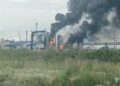
Hours before the midnight deadline, U.S.-Israeli forces struck Kharg Island, location of Iran’s main oil export terminal, according to Iranian media reports. U.S. media sources reported that military sites on the strategic island were targeted, with conflicting reports regarding whether oil facilities themselves were directly hit.
Impact on Global Oil Markets
The strikes on Kharg Island immediately affected global oil prices. West Texas Intermediate crude, the main U.S. oil contract, surged more than two percent to $114.71 per barrel following reports of the attack.
The price spike reflected market recognition that the Strait of Hormuz blockade would persist, combined with destruction of Iranian oil export infrastructure reducing regional capacity. Approximately one-fifth of global oil supplies normally flow through the Strait of Hormuz.
Infrastructure Strikes Across Iran Intensify
Beyond Kharg Island, U.S.-Israeli forces struck multiple infrastructure targets throughout Iran in the hours preceding Trump’s deadline:
- Bridges: At least two major bridges were hit, including structures near the cities of Qom and Kashan
- Highway systems: A key highway in northern Iran was closed following strikes
- Railway infrastructure: Railway tracks in Karaj, outside Tehran, and a rail bridge in Kashan were struck, killing at least two people
- Power and communications: Implied targeting of power generation facilities
Civilian Impact of Infrastructure Strikes
Regional officials reported that civilians were killed in infrastructure strikes. Two people died when a rail bridge in Kashan was struck. The targeting of dual-use infrastructure—bridges, highways, and railways—raises questions regarding civilian impact and compliance with laws of armed conflict.
Israeli military announced it had “completed a broad wave of strikes targeting infrastructure sites across Iran,” without specifying the nature of targeted infrastructure or civilian protection measures implemented.
Iran Defiant; Rejects Ceasefire and Threatens Retaliation
Iran’s military command dismissed Trump’s threats as “arrogant rhetoric and baseless threats,” declaring that Iranian forces would not cease “crushing operations of the warriors of Islam against the American and Zionist enemies.”
Iran’s Revolutionary Guards vowed a “major retaliatory strike” in response to the killing of their intelligence chief, Majid Khademi, in U.S.-Israeli strikes on Monday. The Guards threatened to deprive the United States and allies of “oil and gas if Washington crossed Tehran’s red lines,” with statements warning “Our response will go beyond the region.”
Iranian Strategic Messaging
Iran’s ambassador to Kuwait urged Gulf states to find ways to avert a “tragedy,” while simultaneously Iran’s ambassador to Pakistan stated that diplomatic efforts to end the war were approaching a “critical, sensitive stage.” The simultaneous messaging of defiance and continued diplomatic engagement suggested Iran was maintaining multiple strategic channels even as military escalation continued.
International Ceasefire Proposal Rejected by Both Sides
An international ceasefire proposal mediated by Pakistan, Egypt, and Turkey, calling for a 45-day cessation of hostilities, was rejected by both the Trump administration and Iranian officials on Tuesday.
Trump initially characterized the plan as “significant” but subsequently declared it was “not yet enough,” rejecting the proposal despite its international mediation. Iranian state media quoted officials stating that Tehran had “rejected a ceasefire and insists on the need for a definitive end to the conflict.”
Iranian Demands Within Ceasefire Framework
According to the New York Times, citing unnamed senior Iranian officials, Iran demanded:
- Guarantees against future U.S.-Israeli attacks on Iranian territory
- An end to Israeli military strikes against Hezbollah in southern Lebanon
- Reopening of the Strait of Hormuz with Iran charging approximately $2 million per vessel, sharing fees with Oman
The Iranian demands suggested Tehran sought not mere ceasefire but fundamental changes to the regional balance of power and Israeli operations.
UN Security Council Prepares Watered-Down Resolution
The UN Security Council scheduled a vote on a resolution addressing Iran’s blockade of the Strait of Hormuz, though diplomatic sources indicated the language had been substantially weakened from earlier drafts.
Initial robust proposals that would have authorized any state to use force to unblock the strait faced potential vetoes from permanent Security Council members. The latest draft seen by AFP “demands Iran end attacks on commercial vessels and halt any attempt to impede transit passage or freedom of navigation in the Strait of Hormuz,” but does not expressly authorize military force.
Iranian Response to UN Proceedings
Iran’s UN envoy warned the UN chief that U.S. threats constituted “state terrorism” and would “normalize war crimes and humanitarian catastrophes and embolden aggressors, with consequences that extend beyond the region.”
The characterization reflected Iran’s strategy of framing the conflict as violating international law while simultaneously maintaining strategic claims to regional influence.
Regional Escalation: Multiple Countries Activate Air Defenses
Military activity intensified across the entire Gulf region as multiple nations activated air defense systems:
- Bahrain: Air-raid sirens sounded Tuesday morning with residents urged to seek shelter
- United Arab Emirates: Air defense systems actively engaged missiles and drones
- Saudi Arabia: Air defenses intercepted and destroyed seven ballistic missiles launched toward the kingdom’s east, with debris falling near energy facilities
The regional engagement suggested Iran was conducting broader attacks beyond Israeli territory, attempting to demonstrate capability to strike U.S. allies throughout the Gulf.
Japanese Prime Minister Seeks Diplomatic Engagement
Japanese Prime Minister Sanae Takaichi announced Tuesday that “arrangements” were being made for a telephone call with Iranian President Masoud Pezeshkian amid the escalating war. Japan, the world’s fifth-largest oil importer with over 90 percent sourced from the Middle East, faced critical economic vulnerabilities from the Hormuz blockade.
Foreign Minister Toshimitsu Motegi spoke by phone with Iranian counterpart Abbas Araghchi, “expressing grave concern over the prolonging exchange of retaliatory attacks” and reiterating “Japan’s consistent position that an early de-escalation of the situation is of utmost importance.”
Japan’s Economic Vulnerabilities
Japan’s heavy dependence on Middle Eastern energy—over 90 percent of oil imports and approximately 10 percent of LNG imports—made it acutely vulnerable to disruption from the Hormuz blockade and escalating conflict. The economic implications for Japanese industry and consumers were substantial.
Global Casualties and Humanitarian Toll Mounting
The Middle East conflict claimed additional international victims as the war expanded:
Filipino National Killed in Haifa
The Philippines confirmed that a Filipina living in Israel was killed Sunday when a missile struck her home in the port city of Haifa, alongside her Israeli husband and elderly parents-in-law. Israeli rescue services recovered the bodies of four people from the collapsed residence following the Iranian missile strike.
This marked the second Filipino fatality in the conflict. Mary Ann Velasquez De Vera, a 32-year-old caregiver, became the war’s first Philippine victim on March 1 when attempting to escort her elderly ward to a bomb shelter.
Vulnerable Migrant Worker Population
Approximately two million Filipinos work in the Middle East, with thousands trapped in the Strait of Hormuz awaiting safe passage through the blockaded shipping lane. The Philippine government reported that Iran had pledged to allow “safe, unhindered, and expeditious passage” of Philippine-flagged vessels, though timeline and implementation remained unclear.
Iran’s Destructive Acts Against Religious Minorities
U.S.-Israeli strikes “completely destroyed” the Rafi-Nia synagogue in Tehran, according to local Iranian media reports. Iran’s small Jewish community, which numbered tens of thousands before the 1979 Islamic Revolution, has dwindled as most members fled the country.
The destruction of the synagogue raised humanitarian and religious freedom concerns, though neither side appeared to prioritize civilian religious sites in conflict planning.
Military Leadership Losses and Vows of Retaliation
Iran’s Revolutionary Guards confirmed that their intelligence chief, Majid Khademi, was killed in U.S.-Israeli strikes Monday and vowed a “major retaliatory strike.” Israel announced it had also killed Asghar Bagheri, a senior commander in the Guards’ Quds Force.
Prime Minister Benjamin Netanyahu warned: “We will reach anyone who seeks to harm us,” signaling Israel’s commitment to continued targeting of Iranian military leadership regardless of escalatory consequences.
Vice President Vance Signals Additional “Tools” Available
U.S. Vice President JD Vance warned that America possessed “tools in our toolkit that we so far haven’t decided to use” against Iran but expressed optimism that negotiations before Trump’s deadline would avoid deployment of such measures.
The characterization suggested the U.S. military had additional capabilities beyond those already deployed, though Vance did not specify what additional “tools” existed or what they might entail.
Regional Warnings of Uncontrollable Escalation
Qatar warned the war was approaching a threshold where it could not be controlled, with a foreign ministry spokesman stating: “This is why we have been urging all parties to find a resolution, to find a way of ending this war before it’s too late.”
Iran’s ambassador to Kuwait similarly urged Gulf states to find ways to avert a “tragedy,” reflecting growing concern among regional states that the conflict was spiraling beyond diplomatic control.
Cascading Disruptions: Transportation and Security
Iran cancelled train travel to and from its second-largest city, Mashhad, until further notice after Israel warned Iranians not to use railways, according to local media citing the provincial governor. The warning reflected Israeli signals of expanded infrastructure targeting.
In Istanbul, one gunman was killed and two wounded in a shootout with police outside the Israeli consulate, raising concerns about conflict-related violence expanding beyond Middle Eastern theaters. Turkish authorities suggested possible links to regional extremist organizations without confirming specific connections.
Conclusion:
Trump’s midnight deadline for Iran to reopen the Strait of Hormuz triggered an intensification of military strikes and rhetoric that signaled complete breakdown of diplomatic channels. U.S.-Israeli forces struck Iranian infrastructure including Kharg Island’s oil terminal, bridges, highways, and railways as both Trump and Iranian officials rejected international ceasefire proposals. Oil prices surged above $114 per barrel while regional states activated air defenses and Japanese policymakers sought emergency diplomatic engagement. The mounting death toll claimed Filipino and other international nationals, while Iran threatened retaliation “beyond the region” and the UN Security Council struggled to pass even weakened resolutions addressing the Hormuz blockade. Regional observers warned the conflict was approaching an uncontrollable threshold. With diplomatic channels seemingly exhausted and military escalation accelerating, the conflict appears poised to enter a new, more destructive phase with unpredictable consequences for global stability, energy markets, and the fate of millions of civilians caught in the crossfire.