
Russia called Monday for a political and diplomatic settlement to the escalating Middle East war, after US President Donald Trump issued a 48-hour ultimatum to Iran to reopen the Strait of Hormuz, threatening to “destroy” various Iranian power generation facilities if Tehran fails to comply. The Russian position reflects growing international concern that the conflict may reach a point of catastrophic escalation beyond military control.
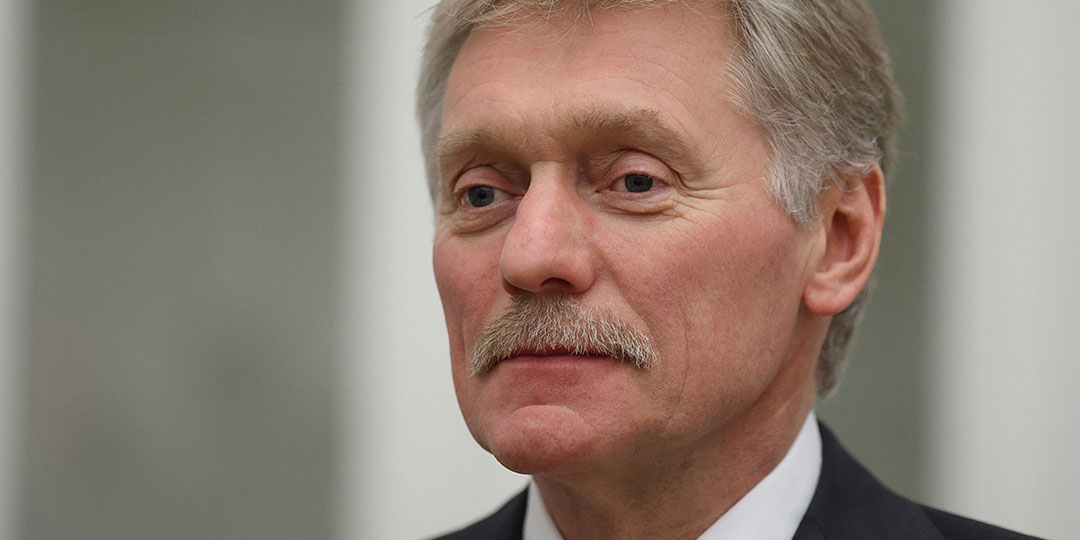
Russian Kremlin spokesperson Dmitry Peskov told journalists, “We believe the situation should move toward a political and diplomatic settlement.” He emphasized that diplomatic resolution “is the only thing that can contribute to effectively defusing the catastrophically tense situation that the Middle East region has reached.”
Russia’s Call for Immediate Diplomatic Resolution
Peskov stressed that the political and diplomatic settlement should have occurred “yesterday,” signaling Russian concern that the conflict may have already passed critical decision points. His language reflects alarm that continuing military operations could lead to irreversible consequences for the region and beyond.
“This is the only solution to cool the extremely tense situation that has peaked in the Middle East region,” Peskov stated. The Russian emphasis on immediate diplomatic action contrasts sharply with continued American military threats and Iranian defiance.
Timeline of Russian Warnings
Russia has been issuing warnings about escalation for weeks. The latest Russian statement comes as tensions have intensified dramatically following Trump’s threats against Iranian infrastructure, creating what Peskov describes as a “catastrophically tense situation.”
Trump’s 48-Hour Ultimatum on the Strait of Hormuz
President Trump issued his ultimatum during the night of March 21-22, demanding that Iran reopen the Strait of Hormuz, which has been effectively closed since the outbreak of the US-Israeli war on February 28. The strait is one of the world’s most critical chokepoints, with approximately 33 percent of global maritime petroleum trade passing through it.
Trump threatened to “destroy” various Iranian power generation stations if Iran refuses to reopen the strait. The threat represents an escalation beyond strictly military targets, targeting civilian energy infrastructure that supports the broader Iranian economy and population.
Economic Implications of the Strait’s Closure
The closure of the Strait of Hormuz has already sent global oil prices soaring to their highest levels since Russia’s 2022 invasion of Ukraine. Reopening the strait would provide significant relief to global energy markets, but for Iran, such action would represent a major capitulation to American pressure.
Iran’s Defiant Response
Iran responded to Trump’s threats with its own ultimatum. The Iranian armed forces announced their commitment to a “complete closure” of the Strait of Hormuz and threatened to destroy energy production facilities in regional countries.
This Iranian response suggests Tehran’s willingness to escalate the conflict to the level of economic warfare, potentially causing widespread economic damage across the Persian Gulf region and globally.
Regional Targeting Strategy
Iran’s threat to strike energy facilities in neighboring countries indicates a possible strategy to expand the conflict geographically and economically. Such strikes could involve Saudi Arabia, the UAE, Qatar, Kuwait, and other Gulf Cooperation Council members, effectively creating a multi-front economic crisis.
Russian Concerns About Nuclear Facility Targeting
Russia expressed serious concern about American threats to strike Iranian power generation facilities, many of which are located near nuclear installations. The Iranian nuclear facility at Bushehr, built with Russian assistance, came under fire from a projectile the previous week without sustaining damage, but the situation remains dangerous.
Peskov stated: “We consider strikes on nuclear facilities to be extremely dangerous, and their consequences could be severe, and perhaps even irreparable.” This statement reflects not only concern for Iranian nuclear safety but also Russian interests in the facility it helped construct.
Threat to Rosatom’s Investments
Alexei Likhachev, CEO of Russian nuclear company Rosatom, issued “extremely troubling statements” about attacks that have already occurred on Iranian nuclear facilities. Peskov noted: “As you know, the CEO of Rosatom, Alexei Likhachev, issued extremely concerning statements about attacks that have already taken place, and this certainly constitutes an extremely serious security threat if this trend continues.”
Russia has significant financial and technical investments in Iranian nuclear energy, creating a direct Russian interest in preventing nuclear strikes.
Previous Near-Miss at Bushehr
The Bushehr nuclear power plant had narrowly avoided disaster when a projectile struck near it the previous week. Had that projectile struck the reactor itself, the consequences could have been catastrophic not only for Iran but potentially affecting neighboring countries including Russia.
International Implications of Nuclear Strikes
Russia warns that nuclear strikes could trigger cascading failures across the Middle East, potentially affecting global nuclear safety standards and creating environmental disasters. Such strikes could also trigger broader international responses from other nuclear powers and the International Atomic Energy Agency.
Russian Diplomatic Outreach
The Russian Foreign Ministry announced Monday that Foreign Minister Sergei Lavrov received a telephone call from Iranian Foreign Minister Abbas Araghchi. The ministry indicated that Araghchi initiated the call, potentially signaling Iranian interest in Russian mediation.
Lavrov advocated for “an immediate ceasefire of hostile actions and a political settlement that takes into account the legitimate interests of all relevant parties, primarily Iran.”
Russian Mediation Efforts
The call between Lavrov and Araghchi may indicate Russian willingness to serve as an intermediary between Iran and the United States. Russia’s position as a traditional great power with channels to both sides makes it a potential mediator, though its complicated relationship with the US, particularly regarding Ukraine, complicates such efforts.
Iranian Diplomatic Initiative
The fact that Araghchi initiated contact with Lavrov may suggest Iranian interest in exploring diplomatic pathways. This contrasts with Iran’s public defiance of American threats, potentially indicating a dual-track Iranian strategy of public toughness combined with private diplomatic exploration.
Iran’s Message to the United Nations
Iranian Foreign Minister Abbas Araghchi sent a message to the UN Secretary-General and members of the UN Security Council warning of the consequences of attacks on Iranian nuclear facilities. Araghchi characterized such strikes as “a blatant violation of international law and a threat to peace and security in the region.”
This diplomatic initiative suggests Iran is attempting to mobilize international legal frameworks against potential nuclear strikes.
International Law Arguments
Iran’s appeal to international law reflects an effort to create diplomatic constraints on American military action. By framing nuclear strikes as violations of international law, Iran seeks to activate the UN Security Council and international opinion against further escalation.
Russian Rejection of False Reports
Peskov firmly rejected reports suggesting Russia had offered to stop sharing intelligence with Ukraine in exchange for similar American actions toward Iran. Calling such reports “incorrect, or more precisely, false,” Peskov denied any quid pro quo arrangement between Moscow and Washington regarding intelligence sharing on Ukraine or Iran.
This denial may reflect Russian concern about being drawn into negotiations regarding Ukraine while the Middle East crisis escalates.
Broader Context of the Middle East War
The escalating rhetoric between Trump and Iran comes more than three weeks into the Middle East war that began on February 28. During this period, the region has experienced:
Intensive American and Israeli aerial bombardment of Iranian military facilities
Iranian retaliation using ballistic missiles and drones across the region
Attacks on Gulf Cooperation Council countries and American allies
Oil market disruptions causing global price spikes
Threats of direct strikes on civilian energy infrastructure
Economic Spillover Effects
The war has already produced steep increases in global oil prices, threatening worldwide inflation and economic disruption. If Trump’s threats to strike power plants are implemented or if Iran closes the Strait of Hormuz, the economic consequences could reach catastrophic proportions, affecting every economy globally dependent on energy supplies.
Russian Strategic Interests
Russia has multiple interests in the resolution of this conflict:
Energy markets: Oil price stabilization affects Russian economic interests
Nuclear safety: Prevents catastrophic nuclear incidents affecting Russia
Regional balance: Seeks to maintain influence in Middle East affairs
Great power diplomacy: Positions Russia as a responsible mediator
Geopolitical leverage: Uses the conflict to enhance Russian diplomatic standing
Russia’s Limited Leverage
Despite its diplomatic efforts, Russia’s ability to influence American or Iranian decisions remains limited. American military dominance and Iranian revolutionary commitment to resistance constrain Russian mediating capacity. Additionally, Russia’s ongoing conflict with Ukraine and Western sanctions limit its ability to offer incentives for cooperation.
Comparison to Previous Conflicts
This pattern of Russian diplomatic appeals mirrors Russian responses to other Middle East conflicts, including Syria. In each case, Russia advocates for diplomatic solutions while having limited ability to enforce compliance from major actors.
Timeline for Potential Negotiations
Trump’s 48-hour ultimatum creates an artificial deadline that could either precipitate negotiations or trigger the very escalation Russia warns against. The timing is critical: if negotiations don’t begin within the deadline, Trump’s threats would likely be implemented, crossing a major escalation threshold.
Diplomatic Windows
The period immediately following Trump’s ultimatum represents what may be the last diplomatic window before major escalation. The Iranian response to the ultimatum and American follow-through will determine whether diplomatic alternatives remain viable.
Potential Settlement Framework
Russian statements suggest Moscow envisions a settlement that would:
Establish an immediate ceasefire
Respect Iranian interests and sovereignty
Address concerns about nuclear facility safety
Stabilize energy markets through Strait of Hormuz reopening
Involve international guarantees for settlement compliance
Challenges to Implementation
However, significant obstacles complicate such settlements:
Deep mutual distrust between US and Iran
Israeli security concerns
Iranian revolutionary ideology versus pragmatism
American domestic political constraints
Regional actor interests in continued conflict
Conclusion:
Russia’s call for immediate political and diplomatic settlement reflects genuine concern that the Middle East conflict has reached a dangerous inflection point. Trump’s 48-hour ultimatum on the Strait of Hormuz and threats against Iranian power infrastructure, combined with Iranian defiance and threats to close the strait and strike Gulf energy facilities, create conditions for catastrophic escalation. The contact between Lavrov and Araghchi suggests potential diplomatic channels remain open, but the narrow 48-hour timeframe leaves little room for complex negotiations. Russia’s emphasis on preventing nuclear strikes reflects not only humanitarian concern but also significant Russian investments in Iranian nuclear infrastructure. Whether diplomatic initiatives can succeed before the ultimatum expires may determine whether the Middle East conflict remains confined to military exchanges or expands into economic catastrophe affecting the entire global economy. The coming hours and days will be critical in determining the region’s trajectory.