

Pakistan’s military conducted strikes on Afghanistan’s capital Kabul on March 16, targeting what Afghan authorities identified as a drug treatment center and killing multiple civilians in the process. Loud explosions rocked the Afghan capital on Monday evening as anti-aircraft defense systems were activated over Kabul in response to the military strikes. Taliban government spokesman Zabihullah Mujahid formally accused Pakistan of violating Afghan airspace and territory, characterizing the strikes as “a crime” and an “act of inhumanity” against civilian infrastructure and population. The strikes represent the latest escalation in the ongoing border conflict between Afghanistan and Pakistan, part of a broader dispute centered on Taliban government claims that extremist groups operating from Afghan territory have conducted attacks across the Pakistan border. The incident illustrates the persistent regional tensions and cross-border military operations that continue despite international concerns about civilian casualties and violations of national sovereignty.
Explosions Rock Kabul as Air Defenses Activated
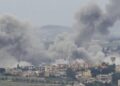
Loud explosions shook Afghanistan’s capital city Kabul on Monday evening as Pakistan’s military conducted strikes against targets within the Afghan capital. AFP journalists positioned in Kabul reported hearing multiple loud explosions and observing military aircraft flying overhead as the strikes unfolded. The scale and intensity of the explosions indicated significant military operations targeting facilities within the heavily populated urban center.
In response to the incoming strikes, Afghan air defense systems were immediately activated over Kabul. The deployment of anti-aircraft defenses reflected the Afghan government’s effort to counter the Pakistani military operations and protect civilians in the capital. The activation of air defense systems created additional noise and disruption across Kabul’s civilian population as defensive operations unfolded.
The striking of the capital city represented a significant escalation in cross-border military operations, as attacks on major population centers increase the risk of civilian casualties and infrastructure damage. The targeting of Kabul, home to millions of Afghan civilians, underscored Pakistan’s willingness to conduct military operations against civilian population centers despite international concern about civilian protection.
Pakistan Targets Drug Treatment Center
Afghan authorities identified the primary target of Pakistan’s strikes as a drug treatment center located within Kabul. The Taliban government statement indicated that Pakistan’s military had deliberately targeted the facility, which served the Afghan civilian population by providing addiction treatment services. The targeting of a medical facility dedicated to drug treatment raised serious questions about the proportionality of military strikes and the protection of civilian infrastructure under international humanitarian law.
The strike on the drug treatment center resulted in multiple civilian casualties according to Afghan government accounts. Taliban government spokesman Zabihullah Mujahid reported that the strike had killed a number of civilians within the facility, though specific casualty figures were not immediately disclosed. The loss of civilian life in the attack on a medical facility represented a severe escalation in the conflict’s impact on Afghan civilian population.
The deliberate targeting of a drug treatment center suggests that Pakistan’s military operations extend beyond military installations to encompass civilian infrastructure providing essential services to the Afghan population. The selection of a medical facility as a strike target raises questions about whether Pakistan’s military strategy includes deliberate targeting of civilian infrastructure as part of its broader conflict with Afghanistan.
Taliban Accuses Pakistan of Territorial Violations
Taliban government spokesman Zabihullah Mujahid issued an official statement accusing Pakistan of violating Afghan sovereignty and territorial integrity. Mujahid wrote on social media that the Pakistani military had “once again violated Afghan territory,” emphasizing the repeated nature of cross-border military operations. The statement reflected Taliban frustration with what it characterized as systematic violations of Afghan airspace and territory by Pakistani military forces.
Mujahid characterized the strikes as constituting “a crime” under international law, asserting that Pakistan’s military operations violated international legal norms governing state conduct and respect for national sovereignty. The characterization of the strikes as criminal acts reflected the Taliban’s view that Pakistan’s military operations exceeded legitimate self-defense measures and constituted unprovoked attacks on Afghan territory.
The Taliban spokesman also characterized Pakistan’s actions as an “act of inhumanity,” emphasizing the human cost of cross-border military operations and the suffering inflicted on Afghan civilian populations. The statement reflected the Taliban’s assertion that Pakistan’s military strikes targeting civilian infrastructure and killing civilians constituted violations of humanitarian principles and international humanitarian law protecting civilian populations during armed conflict.
Border Conflict Context and History
Pakistan has conducted multiple military strikes on Afghan territory in recent weeks, part of a broader conflict sparked by claims that the Taliban government has harbored extremist groups responsible for conducting attacks across the Pakistan border. Pakistani officials have long accused the Taliban government of providing safe haven to militant organizations operating against Pakistani targets, including the Tehrik-i-Taliban Pakistan (TTP) and other extremist groups.
The Taliban government has disputed Pakistan’s claims, arguing that Afghanistan does not harbor terrorist groups and that Pakistan’s military strikes represent unprovoked violations of Afghan sovereignty. The fundamental disagreement regarding the presence of extremist groups in Afghan territory has created a persistent source of tension between the two nations, with Pakistan conducting regular military operations across the border.
The repeated nature of Pakistan’s strikes on Afghan territory reflects the inability of the two nations to resolve their fundamental dispute through diplomatic means. Despite international mediation efforts, Pakistan and the Taliban government have been unable to reach agreements on border security issues or mechanisms to prevent cross-border militant operations.
Civilian Infrastructure as Military Target
The targeting of a drug treatment center by Pakistan’s military raises serious questions about the protection of civilian infrastructure under international humanitarian law. Medical facilities, including drug treatment centers, are explicitly protected under the Geneva Conventions and international humanitarian law as civilian infrastructure that should not be deliberately targeted during armed conflict.
The deliberate strike on a medical facility treating drug addiction suggests either that Pakistan’s military classified the facility as a military target or that civilian casualties were accepted as collateral damage in pursuit of military objectives. Either interpretation raises serious humanitarian and legal concerns about the conduct of Pakistan’s military operations and compliance with international humanitarian law.
The targeting of civilian medical facilities represents a significant violation of humanitarian principles and raises questions about Pakistan’s commitment to protecting civilian populations and respecting international humanitarian law during armed conflict. The Afghan government’s accusation that the strike constituted a “crime” and “act of inhumanity” reflects the severity of targeting civilian medical infrastructure.
International Implications and Humanitarian Concerns
Pakistan’s continued military strikes on Afghan civilian population centers and infrastructure create significant humanitarian concerns regarding protection of civilians during armed conflict. The targeting of medical facilities, including drug treatment centers, raises questions about whether Pakistan’s military operations comply with international humanitarian law requirements to distinguish between military and civilian targets.
The strikes on Kabul and targeting of civilian infrastructure create additional pressure on international community attention and resources already stretched by the Iran conflict and other regional crises. The Afghan humanitarian crisis, exacerbated by military strikes on civilian infrastructure and medical facilities, demands international attention and support for civilian protection and reconstruction.
Conclusion:
Pakistan’s military strikes on Kabul on March 16, 2026, targeting a drug treatment center and killing civilians, represent a significant escalation of cross-border military operations between Pakistan and Afghanistan. The Taliban government’s accusation that Pakistan violated Afghan sovereignty and territorial integrity reflects fundamental disputes between the two nations regarding border security and the harboring of extremist groups. The targeting of civilian medical infrastructure raises serious questions about compliance with international humanitarian law and protection of civilian populations during armed conflict. The repeated nature of Pakistani military strikes on Afghan territory demonstrates the inability of the two nations to resolve their fundamental disputes through diplomatic means. Without international intervention and mechanisms to prevent cross-border military operations and protect civilian populations, the border conflict between Pakistan and Afghanistan will likely continue to escalate, resulting in mounting civilian casualties and humanitarian consequences for Afghan civilians caught in the conflict.