
The Middle East conflict entered its second month Saturday with intensified military operations across the region as Gulf countries and Israel came under renewed Iranian missile and drone fire while diplomatic efforts progressed through multiple channels. Israel’s military reported a first missile launch from Yemen since the war began February 28, marking expansion of conflict to additional regional actors and raising concerns about conflict broadening beyond initial US-Israeli-Iran dimensions. Simultaneously, Thailand announced agreement with Iran allowing safe passage for Thai oil vessels through the Strait of Hormuz, representing first significant breach in Iran’s maritime blockade and suggesting potential diplomatic opening through selective navigation agreements with neutral nations.
The convergence of escalating military operations with emerging diplomatic progress characterizes conflict’s transition into second month, with military operations continuing at sustained tempo while both sides signal openness to negotiated resolution with divergent preconditions and objectives.
Conflict Expands to Yemen as Houthi Missile Strikes Israel
Israel’s military reported that air defenses responded to a missile launched from Yemen on Saturday, the first such attack since the war began February 28. The missile fire represents significant expansion of conflict geography as Yemen’s Houthi movement, which had previously warned it would enter conflict if attacks on Iranian ally continued, appears to be implementing threatened intervention.
Houthi movement issued statement Friday warning: “We affirm that our fingers are on the trigger for direct military intervention,” signaling readiness to conduct attacks if US and Israeli operations against Iran continue or additional nations join conflict supporting American and Israeli positions.
Houthi Entry Expands Conflict Dimensions
The Houthi entry into conflict represents dangerous expansion of geographic scope as Yemen-based actors introduce additional attack vector against Israel and Gulf targets. The Houthis, which have previously conducted Red Sea shipping attacks in response to regional conflicts, possess capability to disrupt maritime commerce and threaten regional stability through coordinated operations with Iranian forces.
Iran Intensifies Multi-Front Military Operations
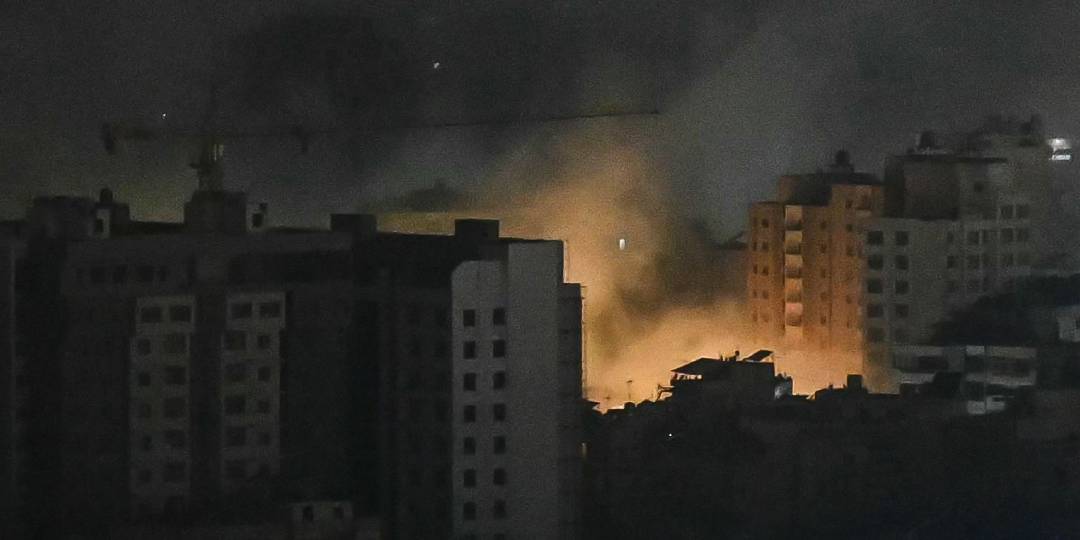
Iran conducted multiple rounds of missile and drone attacks across the region Saturday, with at least five separate missile attack waves launched within five-hour period targeting Israel, Saudi Arabia, and UAE. Israeli military announced striking Iranian “regime targets” in Tehran early Saturday, with AFP journalist in capital reporting approximately ten intense blasts and black smoke plume rising from impact areas.
The simultaneous attacks from Iran and responses from Israel indicate sustained operational tempo and absence of de-escalation despite diplomatic discussions and proposed peace frameworks.
Sustained Attack Intensity Contradicts Diplomatic Messaging
The continuation of intense military operations coinciding with diplomatic discussions creates disconnect between military and diplomatic tracks. The sustained Iranian attacks despite Trump administration claims of imminent negotiations suggest either military operations are being continued pending diplomatic resolution or Iranian leadership maintains independent operational timeline separate from diplomatic processes.
Casualty Reports Across Region
One man was killed in Tel Aviv from Iranian missile attack Friday, with several others wounded across Israel. Two men, aged 65 and 50, were wounded in separate Tel Aviv incident, with two additional wounded in southern town of Kuseife. Israeli Home Front Command official reported cluster munition impact on residential apartment in Tel Aviv.
At least 12 American soldiers were wounded in Iranian attack on Prince Sultan Air Base in Saudi Arabia, with two seriously wounded according to The New York Times and Wall Street Journal citing unidentified officials. The attack on the base included at least one missile and several drones, with soldiers inside building when struck and several aerial refueling planes sustaining damage.
Cluster Munition Usage and Humanitarian Concerns
The reported use of cluster munitions in Tel Aviv attack raises humanitarian concerns as cluster munitions disperse submunitions across wide areas, creating indiscriminate civilian impact and leaving unexploded ordnance creating long-term civilian hazard. The use of cluster munitions violates humanitarian principles and represents escalation in weapon types deployed in urban areas.
UAE Industrial Zone Struck; Five Injured
UAE authorities reported fires broke out early Saturday at Abu Dhabi industrial zone following Iranian missile and drone attack, resulting in injuries to five Indian nationals. The Abu Dhabi government media office reported fires broke out in Khalifa Economic Zones due to falling debris from “successful interception” of ballistic missile.
The injuries from interception debris rather than direct strike impact illustrate that even successful air defense operations create civilian hazard through falling interceptor debris creating secondary impact zones.
Air Defense Secondary Effects
The concept that successful air defense interceptions create secondary civilian hazard through falling debris reflects complexity of air defense operations in densely populated areas. Interceptor fragments falling from sky create unpredictable impact areas extending beyond intended target zones.
Saudi Arabia, Bahrain Report Successful Interceptions
Saudi Arabia reported it “intercepted and destroyed” missile targeting Riyadh area, while Bahrain said a blaze caused by “Iranian aggression” had been brought under control. The reports indicate successful air defense operations across Gulf states despite volume of attack waves, though occasional penetrations continue reaching target areas.
Nuclear Facilities Strike Reports
Iran reported strikes Friday on three Iranian nuclear facilities and two steel plants, with officials claiming no radioactive release. The UN nuclear watchdog reported Iran informed it of strike near Bushehr nuclear power plant, while Israeli military confirmed strikes on Khondab heavy water complex and uranium processing plant in Ardakan.
The reports of nuclear facility strikes raise humanitarian and environmental concerns regarding potential radioactive contamination and long-term environmental impact from targeting nuclear infrastructure.
Nuclear Facility Targeting Risks
The targeting of nuclear facilities creates acute risk of radiological disaster if reactor containment is breached. The reported strikes on heavy water reactors and uranium processing plants represent dangerous escalation of targeting to nuclear infrastructure despite international humanitarian law protections for civilian infrastructure.
Thailand Reaches Agreement with Iran on Hormuz Passage
Thailand announced Saturday it reached agreement with Iran allowing safe passage for Thai oil tankers through Strait of Hormuz, representing first major breakthrough in blockade enforcement. Thai Prime Minister Anutin Charnvirakul stated: “An agreement has been reached to allow Thai oil tankers to transit safely through Strait of Hormuz,” noting development would alleviate fuel import concerns.
The Thailand-Iran agreement suggests Iran is willing to permit selective transit by nations meeting Iranian criteria, creating differentiated blockade with open passage for approved nations and restriction for others.
Selective Blockade Strategy Effectiveness
The Thailand agreement demonstrates that Iran’s blockade strategy incorporates selective permitting that rewards nations agreeing to Iranian terms while punishing those aligned with US and Israel. The strategy creates incentive structure encouraging nations to negotiate bilateral arrangements with Iran rather than relying on international maritime law or American protection.
G7 Ministers Oppose Iran Hormuz Toll Demands
G7 foreign ministers expressed “absolute necessity to permanently restore safe and toll-free freedom of navigation” in Strait of Hormuz and called for “immediate cessation of attacks against civilians and civilian infrastructure.” US Secretary of State Marco Rubio declared that Washington expected its military campaign to prove victorious within weeks: “When we are done with them here in the next couple of weeks, they will be weaker than they’ve been in recent history.”
The G7 opposition to Iran’s toll demands and Rubio’s confidence in imminent military victory contrasts with diplomatic messaging suggesting openness to negotiations, illustrating disconnect between military and diplomatic tracks.
Victory Timeline vs. Diplomatic Timeline
Rubio’s assertion that military campaign will achieve victory within weeks contradicts diplomatic messaging suggesting imminent negotiations and potential rapid resolution through 15-point peace plan. The discrepancy suggests either military operations are designed to achieve maximum pressure before negotiating from position of strength or diplomatic messaging is overoptimistic regarding probability of rapid resolution.
Trump Diplomatic Envoy Signals Imminent Negotiations
Trump’s special envoy Steve Witkoff said he believed Iran would hold talks with Washington “this week,” expressing hope for rapid progress on 15-point US peace plan. Witkoff stated: “We think there will be meetings this week, we’re certainly hopeful for it. We have 15-point plan on table. We expect Iranians to respond. It could solve it all.”
The envoy’s optimism regarding imminent negotiations reflects Trump administration messaging strategy designed to demonstrate progress toward resolution while simultaneously continuing military operations and threatening additional strikes.
Messaging Strategy and Reality Divergence
The Trump administration’s simultaneous messaging of imminent diplomatic breakthrough with continued military operations and threats of additional strikes illustrates attempt to maintain pressure while signaling openness to negotiation. The divergence between optimistic diplomatic messaging and actual operational tempo suggests diplomatic messaging serves primarily propaganda and political management function rather than reflecting genuine negotiation progress.
Iran Threatens Retaliation for Nuclear Facility Strikes
Iran’s Foreign Minister Abbas Araghchi threatened retaliation “for Israeli crimes” following strikes on nuclear facilities, stating attacks contradicted Trump’s “extended deadline for diplomacy.” Araghchi’s statement illustrates Iranian perception that Israeli strikes on nuclear infrastructure represent escalation violating diplomatic space and justifying escalatory Iranian response.
Escalation Dynamics and Diplomatic Space
The Iranian characterization of nuclear facility strikes as violations of diplomatic space demonstrates how military operations constrain diplomatic progress by creating justification for escalatory response. Each side’s military operations create justification for opponent’s escalatory response, creating self-reinforcing escalation cycle.
Lebanon Conflict Continues with Heavy Strikes
Israel renewed strikes on Beirut’s southern suburbs Friday, targeting Hezbollah infrastructure. Hezbollah reported clashes with “Israeli enemy forces” using “light and medium weapons” in south Lebanon, while Israeli media reported simultaneous attacks from Iran and Hezbollah.
The continuation of intensive operations in Lebanon despite conflict being in second month suggests conflict in Lebanon may develop into protracted campaign independent of broader Iran-US-Israel conflict dynamics.
H2: Second Month Humanitarian Assessment
The UN refugee agency warned Lebanon faced deepening humanitarian crisis risking catastrophe, with over one million people displaced. The escalation of conflict into second month has created humanitarian emergency affecting multiple countries with displacement, casualty figures, and infrastructure destruction creating compounding humanitarian crisis requiring sustained international response.
Key Second-Month Developments:
- Yemen fires first missile from conflict
- Houthis signal imminent intervention
- Five missile attack waves in five hours
- Israeli strikes Tehran nuclear sites
- 12 US troops wounded in Saudi strike
- Thailand reaches Iran Hormuz agreement
- UAE fires from interception debris
- Man killed in Tel Aviv
- Cluster munitions reported used
- G7 opposition to Hormuz tolls
- Trump envoy claims imminent talks
- Iran threatens retaliation
- Lebanon humanitarian crisis deepens
- One month into sustained operations
- No clear de-escalation mechanism