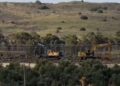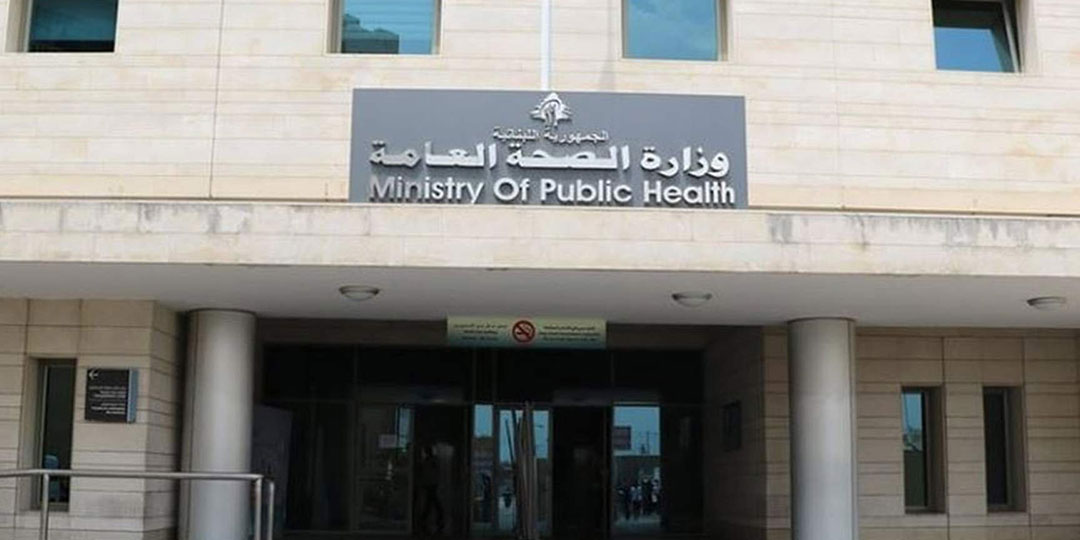

The Lebanese Health Ministry announced Saturday that 25 medical, nursing, and administrative staff members were injured following Israeli strikes near Hiram Hospital in the Tyre district of southern Lebanon. Officials stated that the attack caused significant structural damage to the hospital. The development comes as the overall death toll from Israeli operations in Lebanon has risen above 3,123 since March.
The incident highlights mounting concerns over the safety of healthcare facilities amid ongoing hostilities.
Health Ministry confirms 25 injuries at Hiram Hospital
According to a statement from Lebanon’s Emergency Health Operations Center, 25 members of the hospital’s medical and administrative staff sustained various injuries.
The strikes reportedly targeted the immediate vicinity of Hiram Hospital, leading to substantial damage to the facility’s infrastructure.
Nature of injuries and damage
Injuries of varying severity among staff
Structural damage to hospital buildings
Partial disruption of medical services
Continued operations despite risks
Repeated targeting of medical facilities
The ministry noted that this marks the second time in less than two months that Hiram Hospital has been exposed to similar risks due to repeated Israeli strikes.
It described the attacks as violations of international humanitarian law, which guarantees the protection of healthcare facilities during armed conflicts.
Legal and humanitarian implications
International humanitarian law provides:
Protection for hospitals and clinics
Immunity for medical personnel
Safeguarding of civilian infrastructure
Compliance with UN-related resolutions
Ministry praises resilience of healthcare workers
The Lebanese Health Ministry commended the staff at Hiram Hospital for remaining at their posts despite ongoing danger.
It also praised frontline healthcare workers across the region for continuing to provide emergency and medical services under severe conditions.
Message of solidarity
The ministry emphasized:
Recognition of medical staff dedication
Continued commitment to healthcare delivery
Refusal to abandon humanitarian duty
Support for affected institutions
Separate Israeli strike kills five in southern Lebanon
In a related development, Lebanon’s National News Agency reported that an Israeli airstrike targeted a residential building in the town of Sair al-Gharbiya in southern Lebanon.
Preliminary reports indicate that five people, including children, were killed and several others injured.
Rescue operations underway
Emergency responders working at the scene
Rubble removal and search for missing persons
Transfer of wounded individuals to nearby hospitals
Ongoing damage assessment
Death toll rises above 3,123 since March
Lebanese health authorities stated that the cumulative number of fatalities from Israeli attacks since March 2 has reached 3,123, with 9,506 injured.
The figures underscore the sustained intensity of the conflict.
Humanitarian impact
Rising civilian casualties
Increased strain on hospitals
Damage to infrastructure
Risk of worsening humanitarian conditions
Continued ceasefire violations
The attacks occurred despite a ceasefire agreement that began on April 16 and was extended again on May 15 for 45 days.
Lebanese officials have warned that repeated violations risk further destabilizing the region.
Risks of further escalation
Expansion of strike zones
Increased targeting of civilian infrastructure
Strain on medical and emergency services
Potential regional spillover
Impact on Lebanon’s healthcare system
Repeated strikes have weakened the ability of hospitals to operate at full capacity.
Healthcare officials warn that continued attacks may lead to broader systemic collapse in affected areas.
Key healthcare challenges
Shortages of medical supplies
Staff fatigue and burnout
Surge in trauma cases
Limited operational resources
Conclusion:
The reported injuries to 25 medical staff at Hiram Hospital reflect the growing dangers faced by healthcare institutions in southern Lebanon. With the overall death toll surpassing 3,123 since March, concerns about humanitarian and medical system stability continue to intensify. Despite the extension of a ceasefire, ongoing strikes and cross-border hostilities present serious risks to civilian safety and essential services. Protecting medical facilities and ensuring uninterrupted healthcare access remain critical priorities amid the escalating situation.