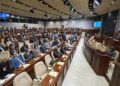
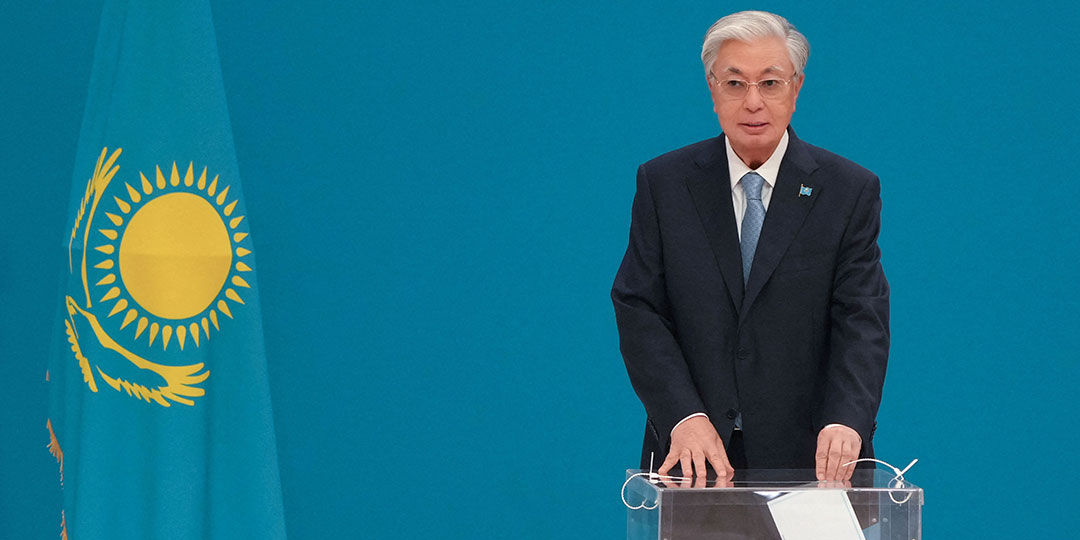

Voters in Kazakhstan went to the polls on Saturday to choose members of the country’s first parliamentary election under a new system that created a unicameral parliament after the adoption of a fresh constitution.
Some 12.6 million eligible voters, out of a population of about 20 million, were able to cast ballots in an election contested by seven parties.
Unicameral parliament under the Kurultai name
Kazakhstan approved a new constitution in March that abolished the Senate in favour of a unicameral parliament known as the “Kurultai,” a historical term once used in medieval times for political and military tribal councils in Central Asia.
Officials say the change gives parliament greater weight in decision-making, after previously playing a secondary role in a system where power was concentrated in the presidency.
Strengthening the legislature
The move is part of a broader restructuring of Kazakhstan’s constitutional institutions aimed at expanding the legislature’s powers and increasing its role in political decision-making.
Analysts say the election is the first real test of the new parliamentary model after years of strong presidential dominance.
Reform programme after 2022 unrest
The election is part of a reform programme launched by President Kassym-Jomart Tokayev under the banner of “Just Kazakhstan,” following the unrest that hit the country in 2022.
The unrest erupted after protests over rising living costs and left 238 people dead, prompting the authorities to announce wider political and constitutional reforms.
Hopes for stability and reform
The government hopes the constitutional changes and the new election will help calm the domestic scene and strengthen political stability, while giving legislative institutions a bigger role in shaping policy.
The shifts also come as Astana seeks to present a more open political image after years of criticism over concentrated power.
Conclusion:
Kazakhstan’s first parliamentary election marks an important step in the country’s post-2022 political reform process, with a unicameral parliament now giving the legislature a wider role. As attention turns to the outcome, the ability of the new system to balance power remains under close watch at home and abroad.