
Iran–US escalation intensified on Thursday after the Jordanian Armed Forces announced they had intercepted and downed 20 missiles launched from Iran toward the Azraq area in eastern Jordan.
At the same time, Iran’s Islamic Revolutionary Guard Corps said it had fired ballistic missiles at a US command and control center in Jordan, while Kuwait and Turkey reacted to the growing regional tensions.
Jordan Says Missiles Intercepted Over Azraq
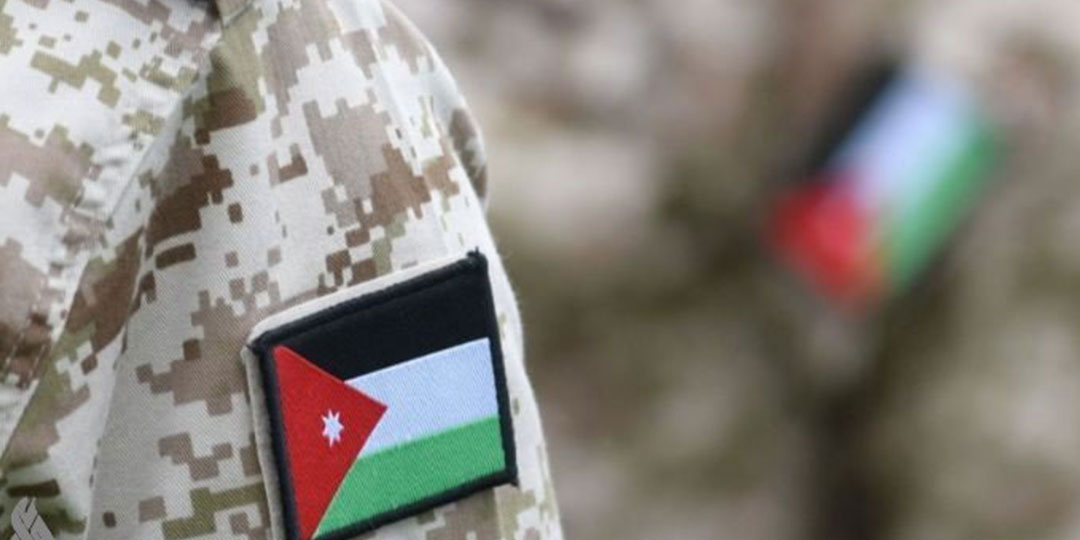
The Jordanian army stated that its air defense systems intercepted and destroyed 20 missiles launched from Iran in the early hours of the morning toward the Azraq region.
According to the military, debris from the intercepted missiles fell without causing casualties or material damage.
The armed forces emphasized that they will not allow any violation of Jordanian airspace by any party.
Azraq hosts a key air base used by Jordan and allied forces.
Iran Claims Strike on US Command Center
In contrast, Iran’s Revolutionary Guard announced it had launched 12 ballistic missiles targeting a US command and control center at Azraq Air Base.
In a statement reported by Tasnim News Agency, the Guard described the operation as punishment for US airstrikes on Iran.
The statement claimed the targeted facility and several fighter aircraft were destroyed, though no independent confirmation has been provided.
Kuwait Intercepts Drones
Separately, the Kuwaiti army said it had dealt with 24 hostile drones over the past 48 hours.
It added that Iranian strikes resulted in limited material damage but no human casualties.
Kuwait confirmed that it remains on high alert in response to the security developments.
Turkey Urges Restraint
The Turkish Ministry of Defense expressed concern over renewed clashes between Iran and the United States.
In a statement, the ministry called on all parties to act responsibly and prioritize dialogue and diplomatic means to resolve disputes.
It warned that continued escalation could negatively impact regional security and stability.
Widening Regional Implications
The developments highlight a broader Iran–US escalation involving multiple countries in the region.
Key elements include:
– Jordan intercepting missiles aimed at Azraq.
– Iran claiming to strike a US facility in Jordan.
– Drone interceptions reported by Kuwait.
– Turkey calling for restraint and diplomacy.
The situation raises concerns about airspace security, military spillover, and the risk of further escalation.
Conclusion:
As Iran–US escalation unfolds, Jordan, Kuwait, and Turkey have been drawn into the regional security equation. With missile interceptions, competing claims, and diplomatic warnings, the coming days will be critical in determining whether tensions subside or intensify further.