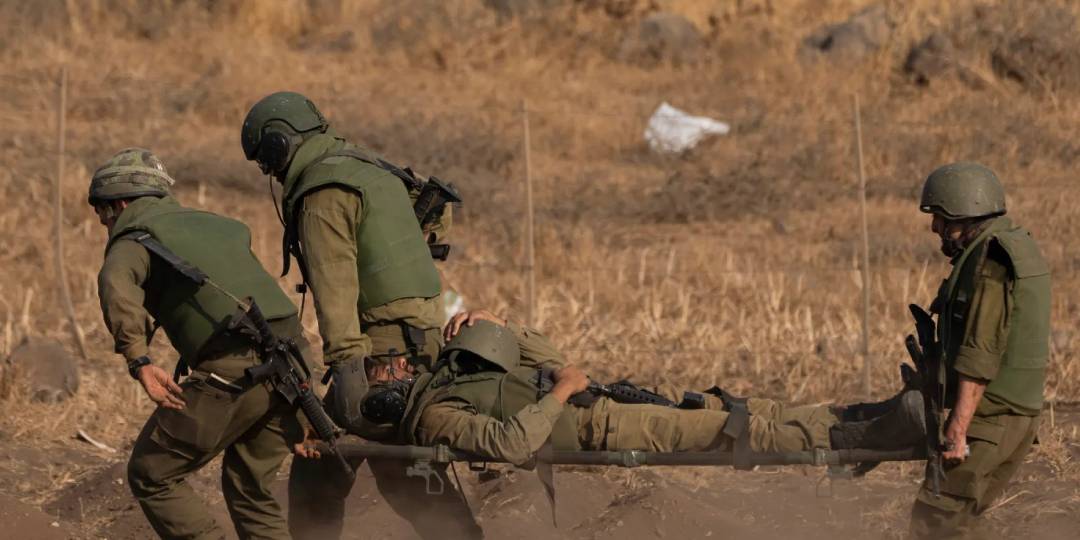

The Israeli military announced Sunday that 37 soldiers sustained wounds in southern Lebanon during the past 24 hours, reflecting continued military operations and combat engagements in the region. This announcement came amid reports of intensive military operations, including sweep operations and demolition activities in multiple southern Lebanese towns. The casualty figures reveal cumulative human toll incurred by Israeli forces since initiation of military operations in Lebanon.
Conversely, the Lebanese Army announced resumption of opening critical roads and passages in the south as part of efforts restoring normal life. These developments reflect gradual reduction in military operation intensity following ceasefire announcement, though tactical military operations targeting infrastructure and civilian structures persist. Reports of demolition activities in Bint Jbeil and sweep operations in other southern areas indicate continuation of security-focused military activities despite ceasefire declarations.
Israeli Military Casualty Announcements and Daily Figures
The Israeli military issued an official statement Sunday announcing “registration of 37 soldiers wounded in southern Lebanon during the past 24 hours.” The announcement arrived as part of regular reports regarding human casualties incurred by Israeli forces during ongoing operations.
Daily casualty figures reflect sustained scale of military confrontations and armed engagements in the region despite ceasefire announcements. Continued casualties indicate that security and military operations have not ceased completely but continue through various operational formats and tactical approaches.
Cumulative Casualty Statistics and Injury Distribution
The Israeli statement provided cumulative figures revealing total losses:
- Total Wounded: 690 soldiers wounded since operation commencement
- Serious Injuries: 42 soldiers with serious/critical wounds
- Moderate Injuries: 96 soldiers with moderate-level wounds
- Light Injuries: Remaining soldiers with light injuries
These figures reflect diverse injury severity distribution, indicating that majority of wounds were relatively light, though presence of 42 serious and 96 moderate injuries demonstrates intensity of engagement operations.
Lebanese Army Efforts to Restore Normal Life
The Lebanese Army announced Sunday opening of the complete Khardali-Nabatiyeh road and partial opening of Borj Rahal bridge. The Lebanese military stated: “We worked on opening the complete Khardali-Nabatiyeh road and partially opening Borj Rahal bridge in southern Lebanon.”
These steps reflect Lebanese military efforts restoring movement and transportation in affected areas, facilitating citizen return to homes and reception of displaced returnees. Road openings constitute essential steps in reconstruction and stabilization processes.
Importance of Road and Passage Opening
Opening roads and passages contributes to multiple vital functions:
- Freedom of Movement: Facilitating population mobility and transit
- Economic Activity: Resuming local commercial operations
- Humanitarian Services: Delivering aid and supply provision
- Reconstruction Efforts: Facilitating repair and rebuilding operations
- Security Operations: Restoring military and security presence
Continued Home Demolition and Property Destruction
Reports from the Lebanese National News Agency indicated that the Israeli military continues demolishing remaining homes in Bint Jbeil. The agency stated: “The Israeli enemy continues destroying remaining homes in Bint Jbeil city as announced, within a plan named security zone purification, with Israeli tanks patrolling the destroyed city.”
These operations indicate continuation of Israeli military activities destroying civilian infrastructure and homes, citing security rationales. Operations reflect humanitarian concerns regarding civilian protection and property safeguarding under international law.
Military Vehicle Presence in Demolished Areas
Reports mentioned that “Israeli tanks patrol through the destroyed Bint Jbeil city.” These movements indicate continuation of Israeli military operations in civilian-populated areas despite ceasefire announcement. Tank presence in populated areas reflects:
- Military Control: Maintaining military dominance over liberated areas
- Security Operations: Executing sweep and inspection operations
- Continued Destruction: Ongoing infrastructure demolition
- Deterrence: Attempting to deter potential resistance efforts
Sweep Operations and Explosions in Deir Seryan
Reports from the National News Agency correspondent in Marjeyoun indicated sweep operations and explosions in Deir Seryan village. The agency stated: “The Israeli enemy conducts sweep operations and executes explosions in Deir Seryan village-Marjeyoun.”
Sweep operations indicate organized and intensive searches in areas seeking potential military resistance presence. Explosions may target:
- Military Installations: Destroying potential military facilities
- Infrastructure: Demolishing roads, bridges, and buildings
- Shelters: Exploding tunnels or potential underground structures
- Mines: Removing mines and explosive devices
Demolition Operations in Meis al-Jabal
Reports documented “demolition operations in Meis al-Jabal-Marjeyoun.” Widespread demolition operations indicate systematic destruction attempts targeting infrastructure and civilian/military buildings.
Demolitions may target:
- Occupied Homes: Destroying homes suspected as military shelters
- Public Buildings: Destroying government and public facilities
- Economic Infrastructure: Demolishing shops and factories
- Essential Infrastructure: Destroying roads, bridges, water, and electricity systems
Broader Context of Continuing Military Operations
These reports arrive amid continuation of military operations despite ceasefire announcement. This contradiction reflects multiple possibilities:
Interpretation Possibilities:
- Continuation of “necessary” security operations per Israeli interpretation
- Absence of actual comprehensive ceasefire implementation
- Security “cleaning” and purification operations
- Potential ceasefire violations
Civilian Suffering and Extensive Destruction
Reports reflect elevated humanitarian suffering and massive physical destruction:
Human Losses:
- Hundreds of civilian deaths and injuries
- Thousands of displaced and refugee populations
- Psychological and social losses among populations
Material Losses:
- Destruction of tens of thousands of homes
- Destruction of essential and economic infrastructure
- Destruction of public facilities and services
Humanitarian Needs and Reconstruction Requirements
Lebanese civilians face substantial requirements including:
- Temporary Shelter: Housing for displaced populations
- Food and Water: Providing essential supplies
- Healthcare: Treating injured and affected persons
- Reconstruction: Repairing homes and facilities
- Psychological Support: Addressing psychological trauma
International Engagement and Humanitarian Assistance
Lebanon receives international support from multiple sources:
International Assistance:
- United Kingdom: 30 million pounds sterling
- European Nations: Multiple humanitarian assistance programs
- International Organizations: Comprehensive relief programs
- Regional States: Economic and humanitarian support
Humanitarian Efforts:
- International human rights organizations
- Local humanitarian organizations
- Lebanese government efforts
- Community and charitable initiatives
Challenges Confronting Stability Restoration
Lebanon faces substantial challenges in path toward stability and return to normalcy:
Security Challenges:
- Continuation of Israeli military operations
- Risk of renewed armed confrontations
- Presence of mines and explosive devices
- Military control over southern zones
Economic Challenges:
- Destruction of economic infrastructure
- Livelihood loss
- Population displacement
- Loss of productivity and investments
Social Challenges:
- Thousands of displaced and refugee populations
- Psychological trauma among populations
- Social fabric disruption
- Substantial humanitarian needs
Solutions Prospects and Political Settlements
Lebanese stability depends upon:
- Political Settlements: Comprehensive political solutions among all parties
- Military Withdrawal: Complete military withdrawal of foreign forces
- Reconstruction: Substantial reconstruction investments
- International Support: Continued international and humanitarian support
Ceasefire Implementation Challenges and Gaps
The gap between ceasefire declaration and ground reality reveals implementation challenges:
Ceasefire Effectiveness Concerns:
- Continued military casualty reports
- Ongoing demolition operations
- Sustained military presence and activities
- Incomplete cessation of hostile operations
Monitoring and Verification:
- Need for independent ceasefire monitoring
- International verification mechanisms
- Enforcement mechanisms for violations
- Dispute resolution procedures
International Oversight and Compliance
Successful ceasefire implementation requires:
- UN Involvement: United Nations monitoring and verification
- International Observers: International ceasefire observers
- Compliance Mechanisms: Enforcement procedures for violations
- Dispute Resolution: Mechanisms for resolving implementation disputes
Conclusion:
Reports from southern Lebanon reflect concerning continuation of military operations despite ceasefire announcement. Israeli military’s acknowledgment of 37 daily casualties indicates sustained combat engagements, while demolition and explosion reports reflect systematic infrastructure destruction targeting civilian structures and military installations. Lebanese Army efforts to open roads represent counter-efforts attempting normal life restoration.
Lebanon confronts massive humanitarian, economic, and social challenges requiring coordinated international and regional efforts. Real Lebanese stability depends upon complete cessation of military operations, comprehensive military withdrawal, and political settlement ensuring lasting peace and protection of Lebanese citizens’ rights. Current trajectory suggests prolonged reconstruction period requiring sustained international humanitarian assistance and political commitment toward durable peace agreements addressing underlying grievances and security concerns affecting all regional populations.