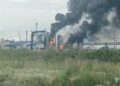

Israeli warplanes conducted a series of airstrikes across multiple towns in southern Lebanon, breaking the sound barrier twice over several areas, according to reports from the Lebanese National News Agency (NNA). The military operations targeted populated areas in the Tyre, Bint Jbeil, Marjeyoun, and Zahrani districts, resulting in at least one confirmed death among civil defense personnel.
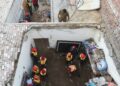
The strikes mark the latest in a pattern of aerial bombardments affecting southern Lebanese communities. One paramedic from the Islamic Message Scouts was killed during a raid on the town of Al-Majadel in the Tyre district, where civil defense teams were reportedly targeted.
Airstrikes Target Multiple Districts and Towns
Israeli aircraft conducted raids across a wide geographic area of southern Lebanon. In the Tyre district alone, warplanes targeted the towns of Froun, Hanaway, Al-Mansouri, and Aytit. Additional strikes in Tyre district targeted Ain Baal, Al-Majadel, and Deir Qanoun al-Nahr.
In the Bint Jbeil district, Israeli warplanes struck the town of Sultaniyeh in the Bint Jbeil district and Tebnine. The Marjeyoun district experienced an airstrike targeting Arid Debbine.
The scope and geographic distribution of the strikes indicate coordinated military operations rather than isolated incidents. Multiple strikes within single districts and repeated targeting of certain areas suggest systematic operational planning.
Civilian Impact and Documented Casualties
At least one death was confirmed among Lebanon’s civil defense personnel. A paramedic from the Islamic Message Scouts was killed in the airstrike on Al-Majadel after civil defense teams responded to the initial strike. NNA reports also indicated injuries in the town of Al-Zrariyeh in the Zahrani district following a “violent raid” on the area.
The targeting of civil defense teams and emergency responders raises humanitarian concerns, as these personnel operate in civilian capacity to protect vulnerable populations. International humanitarian law protects medical personnel and civil defense workers from direct military targeting.
Sound Barrier Breaches and Military Scale
Israeli warplanes broke the sound barrier twice over several Lebanese areas during the operations, according to NNA reports. The sonic booms from supersonic aircraft flights create additional psychological impact on civilian populations and can cause structural damage to buildings, particularly in populated areas.
The use of supersonic aircraft in the operation underscores the military scale and intensity of the aerial campaign. Supersonic operations typically indicate significant military resources deployed and elevated operational tempo.
Drone Operations
In addition to manned aircraft operations, Israeli drones conducted at least one airstrike on the town of Bnaafoul in southern Lebanon. The use of unmanned systems alongside manned aircraft suggests a coordinated approach combining different operational capabilities.
Geographic Scope of Affected Areas
Districts Targeted:
- Tyre district: Ain Baal, Froun, Hanaway, Al-Mansouri, Aytit, Al-Majadel, Deir Qanoun al-Nahr
- Bint Jbeil district: Sultaniyeh, Tebnine
- Marjeyoun district: Arid Debbine
- Zahrani district: Al-Zrariyeh
- Jezzine region: Aramta
- Other towns: Ansarieh, Shamaa, Bnaafoul
The concentration of strikes in the southern border regions reflects the ongoing military focus on areas adjacent to the Israeli border and territories where armed groups operate.
Pattern of Escalation
The extent and intensity of these airstrikes reflect a pattern of military escalation in the region. Multiple coordinated strikes, sonic booms, and targeting of emergency response teams indicate heightened operational intensity compared to isolated incidents. The operations appear designed to establish sustained pressure on southern Lebanese communities and targeted armed group positions.
Conclusion:
Israeli airstrikes across southern Lebanon have affected civilian populations and emergency response infrastructure, resulting in documented casualties among civil defense personnel. The scale, coordination, and geographic distribution of the strikes indicate a significant military operation affecting multiple districts and towns across southern Lebanon’s border regions.