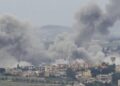

Explosions rocked Iran’s capital Tehran on March 16 as Israeli military strikes targeted major fuel depot facilities, prompting Iranian Foreign Minister Abbas Araghchi to formally accuse Israel of perpetrating “ecocide” through attacks that violate international environmental law. Araghchi condemned the strikes for creating long-term environmental and health consequences affecting Tehran’s civilian population, including soil contamination, groundwater pollution, and generational health impacts. The fuel depot strikes represent a significant escalation of Israeli military operations targeting Iran’s energy infrastructure, extending beyond military and economic objectives to encompass environmental warfare that threatens civilian well-being through ecological damage. The incident illustrates how contemporary military conflicts increasingly employ targeting strategies designed to inflict environmental consequences on civilian populations, raising serious questions regarding international humanitarian law, environmental protection standards, and accountability for ecological warfare.
Israeli Strikes Target Tehran Fuel Depots
Explosions detonated across Tehran on March 16 as Israeli military forces conducted strikes targeting major fuel depot facilities located within the Iranian capital. AFP journalists positioned in Tehran documented multiple explosions occurring across the city, confirming that Israeli military operations had penetrated deep into Iranian territory to strike critical energy infrastructure located in urban areas.
The targeting of fuel depots represents a strategic shift in Israeli military operations, moving beyond military installations and weapons manufacturing facilities to directly assault energy infrastructure supplying civilian populations. The strikes on fuel storage facilities create immediate disruption to fuel supplies while simultaneously generating environmental contamination affecting residents across Tehran and surrounding regions.
The fuel depot strikes follow a pattern of Israeli attacks on Iranian energy infrastructure, including earlier strikes on the Kharg Island oil export terminal and other petroleum production and storage facilities. The systematic targeting of energy infrastructure suggests a deliberate strategy to degrade Iran’s economic capacity while creating environmental consequences affecting civilian populations.
Iran Accuses Israel of Environmental Ecocide
Iranian Foreign Minister Abbas Araghchi formally accused Israel of perpetrating “ecocide” through the fuel depot strikes, characterizing the attacks as violations of international environmental law and humanitarian norms. In a statement posted on social media, Araghchi stated: “Israel’s bombings of fuel depots in Tehran violate international law and constitute ecocide.”
Araghchi’s characterization of the strikes as “ecocide” reflects Iran’s assertion that the attacks exceed legitimate military targeting to inflict intentional environmental damage on civilian populations. The term “ecocide” typically refers to large-scale environmental destruction, suggesting that Iran views the fuel depot strikes as deliberate attempts to damage the ecological systems supporting civilian life.
The foreign minister emphasized the long-term health consequences of the strikes, warning that “residents face long-term damage to their health and well-being. Contamination of soil and groundwater could have generational impacts.” The statement underscores Iran’s concern that the environmental consequences of the strikes extend far beyond immediate casualties to create chronic health and environmental problems affecting Tehran’s population for decades.
Environmental and Health Consequences
The strikes on Tehran fuel depots create multiple environmental hazards threatening civilian health and well-being across extended timeframes. Fuel depot fires and explosions release petroleum products and toxic chemicals into the atmosphere, creating air pollution affecting respiratory health and contributing to atmospheric contamination across the broader region.
Contamination of soil resulting from fuel spills and residue from depot explosions creates long-term environmental hazards affecting agricultural productivity and potentially contaminating food supplies. Groundwater pollution from fuel contamination represents a particularly serious threat, as petroleum products can persist in groundwater systems for extended periods, creating chronic health risks through drinking water contamination.
The generational impacts referenced by Foreign Minister Araghchi reflect concerns that environmental damage from fuel depot strikes will create health consequences extending across multiple generations of Tehran residents. Chronic health effects from prolonged environmental contamination, including increased cancer rates and respiratory disease prevalence, could affect population health for decades following the strikes.
International Law Violations Claims
Iran’s assertion that the strikes violate international law reflects application of environmental protection standards established under international humanitarian law. The Geneva Conventions and subsequent international agreements establish protections for the environment during armed conflict, prohibiting attacks designed primarily to damage the environment or create long-term ecological consequences.
The characterization of the strikes as violating international law suggests that Iran views the attacks as exceeding legitimate military targeting to intentionally damage the environment supporting civilian populations. If the strikes were designed with the primary purpose of inflicting environmental damage rather than destroying legitimate military targets, they could constitute violations of international environmental law and potentially constitute war crimes under international legal standards.
The formal characterization of the strikes as “ecocide” represents an attempt to establish that Israel’s actions constitute systematic environmental destruction exceeding legitimate military objectives and violating international legal norms protecting the environment during armed conflict.
Broader Context of Infrastructure Targeting
The fuel depot strikes represent part of a broader pattern of Israeli military operations targeting Iran’s economic and energy infrastructure during the war. Previous strikes have targeted the Kharg Island oil export terminal, oil refineries, and other petroleum production and storage facilities, suggesting a deliberate strategy to degrade Iran’s economic capacity and energy exports.
The shift toward deliberately targeting energy infrastructure creating environmental consequences reflects evolving military strategies in contemporary conflicts, where economic warfare and environmental damage are employed as weapons against civilian populations. The pattern of strikes suggests that Israel has adopted a comprehensive strategy targeting multiple dimensions of Iranian economic and infrastructure systems simultaneously.
Conclusion:
The Israeli strikes on Tehran fuel depots on March 16, characterized by Iran as “ecocide,” represent a significant escalation in military tactics employing environmental damage as a weapon against civilian populations. The formal accusations of international law violations and environmental ecocide reflect Iran’s assertion that the strikes exceed legitimate military targeting to inflict intentional ecological damage. The long-term health and environmental consequences anticipated by Iranian officials, including soil contamination, groundwater pollution, and generational health impacts, illustrate how contemporary military conflicts extend beyond immediate military objectives to create chronic civilian suffering through environmental destruction. The incident raises serious questions regarding international humanitarian law enforcement, environmental protection standards during armed conflict, and accountability mechanisms for ecological warfare. Without international intervention establishing clear protections for the environment during armed conflict and accountability for environmental damage, contemporary military strategies will continue to employ environmental destruction as a weapon against civilian populations, creating long-term health and ecological consequences extending far beyond military objectives.