
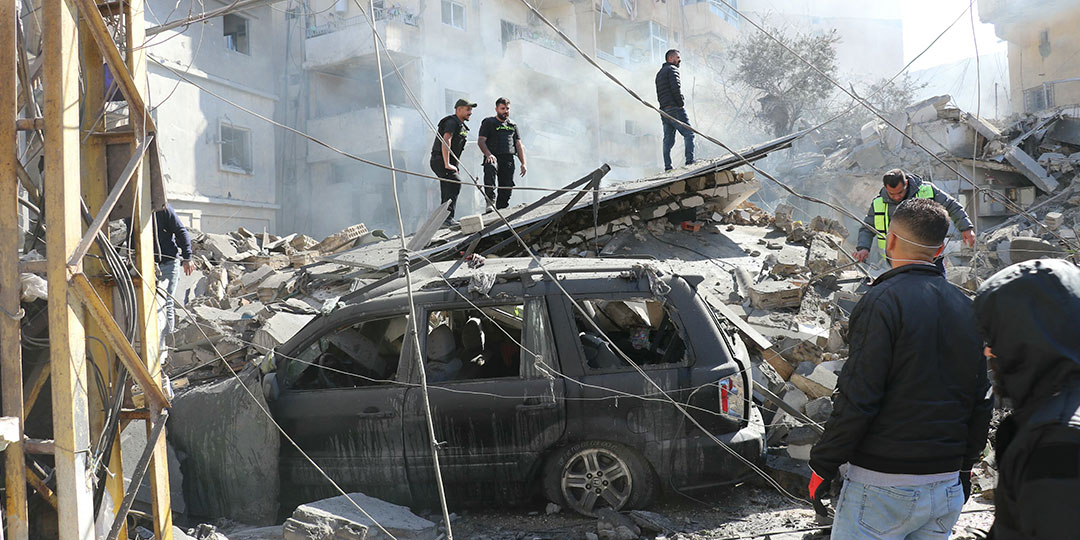

The Israeli military announced Monday that it launched strikes targeting Hezbollah infrastructure in Beirut, with smoke clouds observed over the southern suburbs following evacuation warnings issued by Israeli forces. The strikes on Beirut’s southern suburbs, considered a primary Hezbollah stronghold, represent continuation of intensive air operations that have escalated dramatically since ground forces began expanding operations into Lebanese territory. Simultaneously, the Israeli military reported capturing two Hezbollah Radwan Force members during ground operations in southern Lebanon after the fighters surrendered following discovery by Israeli troops searching for weapons caches.
The convergence of expanded air strikes targeting Beirut infrastructure and expanding ground operations in southern Lebanon indicates Israeli strategy to simultaneously apply pressure through multiple military dimensions while constraining Hezbollah’s operational capacity through prisoner captures and weapons destruction.
Israeli Military Announces Beirut Strikes on Hezbollah Targets
The Israeli military announced that it “has begun striking Hezbollah infrastructure in Beirut,” with the statement indicating continuation of systematic strikes against Hezbollah’s organizational and operational capabilities concentrated in the capital city. The strikes follow Prime Minister Benjamin Netanyahu’s statement that attacks against the Lebanese armed group would continue, signaling Israeli commitment to sustained military operations.
AFP Television’s live broadcast captured smoke clouds rising above Beirut’s southern suburbs following the strikes, with the area representing a geographic concentration of Hezbollah political, military, and social service infrastructure.
Strategic Significance of Beirut Targeting
The continued focus on Beirut infrastructure reflects Israeli assessment that Hezbollah’s organizational viability depends on maintaining control of concentrated infrastructure zones in the capital. By targeting these zones repeatedly, Israel aims to degrade Hezbollah’s command and control capabilities while reducing organizational cohesion.
Evacuation Warnings Precede Strikes
The Israeli military issued advance evacuation warnings for residents of Beirut’s southern suburbs Monday morning, providing residents several hours to vacate the targeted area before strikes commenced. The advance warning pattern established by Israeli forces provides civilian populations limited opportunity to evacuate dense urban areas while maintaining operational security.
AFP Television’s live coverage showed significant smoke clouds rising from the suburban area following strikes, indicating multiple impact sites or secondary explosions from targeted infrastructure.
Civilian Protection Measures and Limitations
The provision of evacuation warnings reflects Israeli efforts to reduce civilian casualties through advance notice, though the effectiveness of warnings in densely populated urban areas with limited transportation remains questionable. Many civilians in southern suburbs lack immediate access to transportation or alternative shelter, constraining their ability to evacuate despite warnings.
Southern Suburbs as Hezbollah Stronghold
Beirut’s southern suburbs have historically served as primary concentration of Hezbollah infrastructure, including offices, military facilities, weapons storage, and social service organizations. The area’s designation as a Hezbollah stronghold reflects decades of organizational presence and control that has transformed the suburbs into geographic center of Hezbollah’s Beirut operations.
The repeated targeting of the southern suburbs indicates Israeli assessment that degrading Hezbollah infrastructure in this concentrated zone creates disproportionate impact on overall organizational capacity.
Infrastructure Concentration and Vulnerability
The geographic concentration of Hezbollah infrastructure in southern Beirut creates vulnerability to coordinated strike campaigns. The clustering of military and organizational facilities in limited geographic area means that systematic strikes can simultaneously disrupt multiple operational functions.
Two Hezbollah Fighters Captured in Ground Operations
The Israeli military reported capturing two Hezbollah Radwan Force members during ground operations in southern Lebanon after the fighters surrendered following identification by Israeli troops. The military statement indicated that troops were conducting weapons search operations when they identified the armed Hezbollah fighters who were “planning to fire an anti-tank missile.”
The capture of Hezbollah fighters demonstrates Israeli ground force capability to interdict Hezbollah operational activities while also generating intelligence through prisoner interrogation.
Radwan Force Operational Activities
The Hezbollah Radwan Force represents the group’s elite commando unit trained for offensive operations including anti-armor attacks using anti-tank missiles. The identification of Radwan Force fighters planning anti-tank missile attacks indicates continued Hezbollah operational activity despite sustained Israeli air strikes and ground force expansion.
Prisoner Transfer and Interrogation
The Israeli military statement indicated that the captured fighters “were apprehended by the troops and transferred to Israeli territory for further questioning.” The transfer of captured fighters to Israeli territory for interrogation creates legal and humanitarian questions regarding detention conditions and treatment standards.
Intelligence Gathering from Prisoners
The capture of Hezbollah fighters provides Israeli forces intelligence opportunity regarding Hezbollah operational plans, weapons locations, command structures, and tactical capabilities. The interrogation of captured fighters generates battlefield intelligence that can inform tactical decisions and targeting strategies for future operations.
Ground Operations Expansion in Southern Lebanon
The ongoing ground operations in southern Lebanon represent Israeli strategy to extend military control into Lebanese territory while disrupting Hezbollah operational capacity. The ground operations complement air strike campaigns by providing ground-level intelligence, disrupting Hezbollah movements, and capturing weapons and personnel.
The expansion of ground operations indicates Israeli intent to establish secured perimeters in southern Lebanon rather than conducting limited operations confined to border areas.
Territorial Control and Military Strategy
The expansion of ground operations suggests Israeli strategy of establishing controlled zones in southern Lebanon that deny Hezbollah operational freedom. The establishment of Israeli-controlled territory in Lebanese areas reduces Hezbollah’s ability to stage operations or conduct training activities.
Netanyahu’s Commitment to Sustained Operations
Prime Minister Benjamin Netanyahu’s statement that attacks against Hezbollah would continue signals Israeli commitment to sustaining military operations regardless of diplomatic pressures or international requests for ceasefire negotiations. Netanyahu’s public commitment constrains Israeli flexibility in negotiation and reinforces hardline domestic political messaging.
Political and Strategic Messaging
Netanyahu’s public commitment to continued attacks serves domestic political objectives by demonstrating toughness and resolve to Israeli constituency. The public commitment also constrains flexibility in eventual negotiations by creating expectations of continued operations.
Weapons Search Operations and Intelligence Gathering
Israeli troops conducting weapons search operations in southern Lebanon represent effort to disrupt Hezbollah’s weapons caches and logistics networks. The identification of Hezbollah fighters during weapons searches suggests that Hezbollah is maintaining active weapons positions despite Israeli air strikes targeting weapons storage facilities.
Weapons Cache Vulnerability
The continued discovery of Hezbollah weapons positions by Israeli ground forces indicates that Hezbollah’s weapons caches remain vulnerable to identification and destruction. The pattern suggests Hezbollah’s inability to fully protect weapons stockpiles against Israeli ground force penetration.
Escalation of Military Operations and Civilian Impact
The combination of expanded air strikes on Beirut and expanding ground operations in southern Lebanon indicates Israeli escalation of military campaign intensity. The escalation creates expanding civilian exposure to military operations across broader geographic areas.
Strategic Implications for Conflict Duration
The expansion and intensification of Israeli military operations, combined with Hezbollah’s continued operational activities despite air strikes, suggests extended conflict duration. The pattern indicates both sides’ commitment to sustaining operations despite humanitarian and economic costs.
Key Operational Developments:
- Israeli military announces Beirut Hezbollah infrastructure strikes
- Smoke clouds observed over southern suburbs following strikes
- Evacuation warnings issued for southern suburb residents
- Area not struck since Friday night, indicating resumption of operations
- Two Hezbollah Radwan Force members captured in southern Lebanon
- Captured fighters planning anti-tank missile operations
- Fighters transferred to Israeli territory for interrogation
- Israeli forces conducting weapons search operations
- Netanyahu commits to sustained Hezbollah operations
- Ground operations expanding into southern Lebanese territory
- Weapons caches discovered and disrupted by ground forces
- Hezbollah operational activities continuing despite air strikes