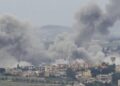

A strike on a security base in western Iraq’s Anbar province killed at least seven security personnel and wounded 13 others on March 25, according to provincial officials, as Iranian authorities claimed that a previous day’s attack on the same region was a “mistake” rather than deliberate targeting. The attack struck a military healthcare clinic located at the security base where mixed forces including police, army personnel, and members of the Hashed al-Shaabi paramilitary organization were stationed. The Hashed al-Shaabi blamed the United States for the strike, while Kurdish regional government officials stated that Iran had claimed the Tuesday attack was unintentional. The incident illustrates the complex security environment in Iraq where multiple armed groups and foreign military forces operate, with attacks on Iraqi security installations creating civilian casualties and raising questions about the accuracy of targeting or the intentionality of strikes affecting Iraqi personnel. The convergence of an Iranian claim of accidental targeting and Hashed al-Shaabi’s accusations against the US highlights the contested narratives surrounding military operations in Iraq as the broader Middle East war affects security conditions throughout the country.
Strike on Western Iraq Base Kills Seven Personnel
A military facility in Anbar province, western Iraq, came under attack on March 25, resulting in significant casualties among security personnel stationed at the base. Provincial officials confirmed that at least seven security personnel were killed in the strike, with an additional 13 others sustaining injuries in the attack. The facility targeted was a military healthcare clinic located at the security installation where mixed Iraqi security forces were stationed.
The security base housed personnel from multiple Iraqi security organizations including regular army units, police forces, and members of the Popular Mobilization Forces (Hashed al-Shaabi), a powerful paramilitary organization that operates under Iraqi government authority but maintains close ties to Iran. The presence of multiple security force types at the facility indicates the compound nature of Iraq’s security apparatus, with different military and police units often sharing operational spaces.
Rescue operations were reportedly underway at the facility following the strike, with personnel working to locate any additional casualties and provide medical assistance to the wounded. The attack on the healthcare clinic raised particular concern given the facility’s humanitarian purpose and the presence of medical personnel who may have been injured in the operation.
Hashed al-Shaabi Blames United States
The Popular Mobilization Forces (Hashed al-Shaabi) responded to the strike by attributing responsibility to the United States military operating in Iraq. The paramilitary organization, which commands tens of thousands of fighters and operates with significant autonomy despite formal integration into Iraq’s security structure, issued statements accusing the US of responsibility for the attack on the Anbar province facility.
The Hashed al-Shaabi’s accusations reflect the complex military environment in Iraq where US forces continue operations as part of anti-ISIS coalition efforts, while simultaneously Iraqi paramilitary organizations closely aligned with Iran maintain significant military capabilities and operational independence. The attribution of the strike to the US rather than acknowledging Iranian responsibility indicates the Hashed al-Shaabi’s strategic positioning within Iraq’s political and security landscape.
Iran Claims Previous Day Attack Was ‘Mistake’
Iranian authorities provided an explanation for a similar strike that occurred on Tuesday, March 24, in the same western Iraq region, claiming that attack had been a “mistake” rather than intentional targeting. According to statements conveyed through Kurdish regional government officials, Iran characterized the earlier strike as unintentional, suggesting that targeting errors or miscommunication may have resulted in the attack on Iraqi security installations.
The Iranian claim of accidental targeting raises questions about the nature and accuracy of military operations being conducted in Iraq during the broader Middle East war. Iranian claims of “mistakes” in targeting operations must be assessed against the pattern of strikes affecting Iraqi security facilities and the documented presence of Iranian military advisors and operational forces throughout Iraq supporting various proxy organizations.
Complex Security Environment in Iraq
Iraq’s security situation reflects the intersection of multiple military actors and competing interests. The country hosts US military forces operating as part of the international coalition against ISIS, Iranian military advisors supporting proxy organizations, Iraqi government security forces, and powerful paramilitary groups with varying degrees of autonomy and allegiance. This complex environment creates opportunities for miscalculation, unintended targeting, and deliberate operations that can be misattributed.
The Anbar province facility attack illustrates how strikes affecting Iraqi security personnel can result from multiple possible sources including US operations, Iranian strikes, or operations by other armed groups. The provincial location in western Iraq places the facility within zones where multiple military actors maintain operational presence.
Casualties and Humanitarian Impact
The confirmed deaths of seven security personnel and wounding of 13 others represent significant casualties at a single facility. The targeting of a military healthcare clinic raises additional humanitarian concerns, as such facilities serve critical functions providing medical care to military and paramilitary personnel across Iraq’s security forces.
The attack’s impact extends beyond immediate casualties to broader security implications for Iraqi forces operating in contested regions of the country. Attacks on security installations can degrade operational capability, reduce force morale, and create cascading effects across Iraq’s security apparatus.
Broader Context of Military Operations in Iraq
Iraq’s position within the broader Middle East war creates vulnerability to strikes and military operations conducted by multiple parties. The country’s geographic location between Iran and US-allied positions, combined with the presence of powerful Iranian-aligned paramilitary forces and ongoing US military operations, creates a complex security environment where attacks on Iraqi facilities can originate from various sources.
The incident demonstrates how the Middle East war extends into Iraq’s territory and security infrastructure, affecting Iraqi personnel despite Iraq’s stated position of neutrality in the broader regional conflict. Iraqi security personnel operating at bases throughout the country face risks from military operations conducted by parties to the broader conflict.
Questions About Attribution and Intentionality
The competing narratives surrounding the Anbar province strikes illustrate challenges in accurately attributing military operations and determining whether attacks reflect intentional targeting or accidental strikes. Iranian claims of “mistakes” must be balanced against documented patterns of Iranian military operations throughout Iraq and the strategic implications of strikes affecting Iraqi security installations aligned with various political factions.
The Hashed al-Shaabi’s attribution to the US reflects the organization’s political positioning and strategic interests rather than necessarily accurate assessment of strike attribution. Determining actual responsibility for strikes in Iraq’s complex security environment requires careful analysis of available evidence and assessment of which parties had capability, proximity, and strategic motivation.
Conclusion:
The strike on a security base in Anbar province, western Iraq, killing seven personnel and wounding 13 others on March 25, 2026, illustrates the vulnerability of Iraqi security installations to military operations conducted by parties to the broader Middle East war. Iranian authorities’ claim that a previous day’s similar attack was a “mistake” raises questions about targeting accuracy or intentionality of strikes affecting Iraqi personnel. The Hashed al-Shaabi’s attribution of responsibility to the US reflects the complex political and military landscape in Iraq where multiple actors maintain operational presence. The incident demonstrates how Iraq’s security forces face threats from military operations conducted by various parties despite Iraq’s stated position of neutrality in the regional conflict. Without clear attribution mechanisms or transparent investigation of strike circumstances, Iraqi security personnel and facilities remain at risk from operations that may reflect intentional targeting, targeting errors, or deliberate strikes misattributed to other parties. The security situation in Iraq requires careful management of multiple military actors’ presence and clear establishment of targeting protocols that protect Iraqi security installations and personnel from unintended strikes.