
Iraq’s Ministerial Council for Economy has decided to form a joint committee to inspect unofficial border crossings in the Kurdistan Region, as part of broader efforts to regulate trade and unify customs procedures.
The move comes alongside renewed focus by the Oil Ministry on strengthening production and refining capacity to support domestic energy needs.
Committee to Survey Border Crossings
According to a statement reported by the Iraqi News Agency (INA), the council agreed to establish a joint committee led by the Federal Border Ports Authority, with representatives from both the federal government and the Kurdistan Region.
The committee will:
– Conduct a full survey of the border strip
– Inspect unofficial crossings
– Evaluate infrastructure conditions
– Recommend converting suitable sites into official crossings
– Close crossings that fail to meet requirements
Federal border forces have been instructed to implement these measures.
Unifying Customs and Revenue Systems
The council also discussed efforts to unify customs and tax procedures across border points, including those in the Kurdistan Region.
Decisions included:
– Preparing a unified manual for customs exemptions and allowances
– Coordinating between federal and regional finance ministries
– Submitting proposals to the Council of Ministers on revenue collection mechanisms
These steps are part of implementing the ASYCUDA system to modernize customs administration.
Oil Ministry Focuses on Production Stability
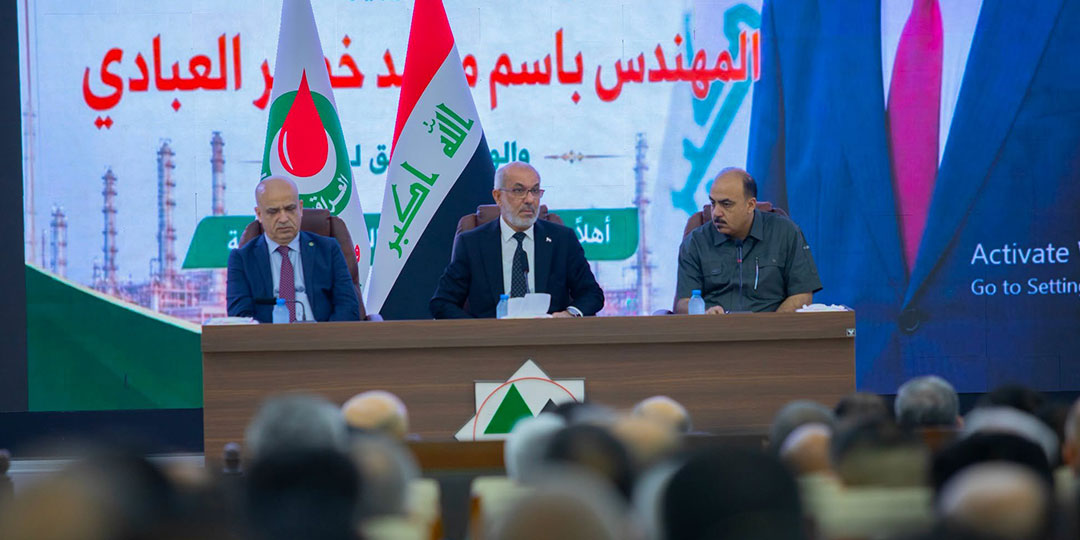
In a separate development, Oil Minister Bassem Mohammed Khudair Al-Abadi said the next phase will focus on “work and construction,” with emphasis on maintaining stable production.
Key priorities include:
– Increasing refining capacity
– Meeting domestic consumption needs
– Enhancing production efficiency
Visit to Baiji Refineries
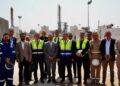
The minister conducted a field visit to the North Refineries Company in Baiji, where he met with officials and staff.
He stressed the importance of:
– Institutional performance improvement
– Protecting public funds
– Raising production quality
– Accountability for negligence or violations
Anti-Corruption and Institutional Reform
Al-Abadi praised recent legal measures taken by Prime Minister Ali Faleh Al-Zaidi to combat corruption, describing them as a “source of hope” for Iraqis.
He emphasized that any misuse of public funds will be addressed under the law and reaffirmed the ministry’s commitment to transparency and accountability.
Workplace Safety and Management Approach
The minister highlighted the importance of adhering to strict safety standards in all facilities and said he would personally oversee safety compliance.
He also stressed the need for teamwork and adopting the principle of “the right person in the right position” across all administrative levels.
Key Points
– Iraq forms committee to review unofficial border crossings
– Focus on converting eligible crossings and closing others
– Efforts to unify customs procedures and revenue systems
– Oil Ministry plans to boost refining capacity
– Emphasis on anti-corruption and public fund protection
– Continued focus on safety and institutional reform
Conclusion
Iraq’s latest decisions reflect a coordinated effort to strengthen economic governance by regulating border crossings and enhancing the oil sector. These measures aim to improve revenue collection, boost production, and reinforce transparency across key sectors of the economy.