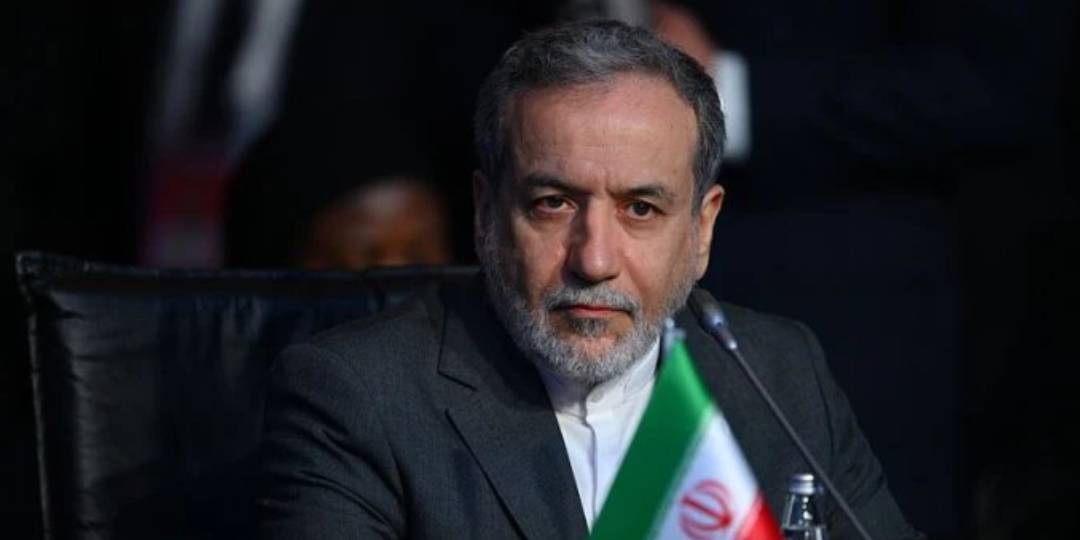

Iran announced Friday that it will grant full passage to all commercial vessels through the strategic Strait of Hormuz, aligning with the ceasefire in Lebanon. The announcement came from Iranian Foreign Minister Abbas Araghchi via social media platform X, signaling a move to ease regional tensions and restore vital maritime trade corridors.
The Iranian declaration arrives within a broader context of international diplomatic efforts aimed at de-escalation and stability in the region. Through this step, Tehran underscores its commitment to regional peace and dialogue. President Masoud Pezeshkian reinforced this message by reaffirming that Iran does not seek nuclear weapons or regional destabilization, positioning the country as a proponent of international law and peaceful resolution.
Full Access Restored to Hormuz Strait for Commercial Traffic
Foreign Minister Abbas Araghchi made a clear announcement regarding the reopening of the Strait of Hormuz to commercial shipping. Araghchi stated: “In line with the ceasefire in Lebanon, passage of all commercial ships through the Strait of Hormuz is fully available.”
This announcement represents a significant development following weeks of tensions and the U.S.-imposed blockade on Iranian ports. Opening the Strait of Hormuz, one of the world’s most critical maritime passages, signals the restoration of global trade flows and a reduction in economic pressure on the Iranian economy. The move comes after months of military escalation and economic confrontation between Iran and Western powers.
Designated Shipping Routes for Safe Passage
Iran clarified that vessel transit through the Strait of Hormuz will occur via pre-announced maritime routes established by Iran’s port authority. Araghchi specified: “Ship passage through the Strait of Hormuz will be via the route previously announced by Iran’s port organization.”
This clarification is operationally significant, as it provides predictability and safety assurances for commercial vessels that had expressed concerns about their security during the crisis. Designated routes enable ships to avoid zones of potential conflict and military operations, creating a safer corridor for international commerce.
Sustained Opening Throughout Ceasefire Duration
Foreign Minister Araghchi emphasized Iran’s commitment to maintaining unobstructed passage for the entire duration of the ceasefire. He stated: “The Strait of Hormuz will remain open throughout the remaining period of the ceasefire.”
This commitment from Iran reflects a genuine intention to avoid further escalation and return to peaceful dialogue. The extended period of relative stability ensures that maritime trade can resume normal operations, allowing regional economies to return to their baseline economic activities. This sustained approach signals confidence in the peace process and willingness to build on initial progress.
Critical Importance of Hormuz Strait to Global Trade
The Strait of Hormuz represents one of the world’s most vital maritime passages, with approximately 30 percent of global seaborne trade transiting through it. Closure or blockade of this chokepoint directly impacts global energy prices and commodity costs for consumers worldwide.
Iran’s opening of the strait ensures stability in global energy markets and reduces fears of resource scarcity. This development benefits regional economies through restored maritime commerce and also contributes to broader global economic stability and consumer pricing.
President Pezeshkian Reaffirms Iran’s Peaceful Intentions
President Masoud Pezeshkian underscored Friday that Iran neither seeks nuclear weapons nor aims to destabilize the region. Pezeshkian stated: “Iran does not seek nuclear weapons or to destabilize the region.”
This reaffirmation comes within the context of international diplomatic efforts to ease tensions and return to negotiations regarding Iran’s nuclear program. The president’s position reflects Tehran’s openness to moving beyond the current crisis and resuming constructive dialogue with the international community. The timing of this statement signals potential receptiveness to renewed nuclear negotiations and confidence-building measures.
Commitment to Legal Frameworks and National Sovereignty
President Pezeshkian added: “We defend with dignity the integrity of our territory, remain committed to legal frameworks, and hope the other side recognizes this.” This statement underscores the delicate balance Iran attempts to maintain between defending national sovereignty and adhering to international law.
The president’s emphasis on legal framework compliance indicates Iran’s preference for resolving disputes through diplomatic and legal channels rather than military escalation. This messaging suggests potential willingness to engage in structured international negotiations and respect established protocols.
Iranian Criticism of U.S. Policy
President Pezeshkian leveled sharp criticism at the opposing party (the United States and its allies), stating: “The other side has made itself an outcast through the assassination of military and political leaders and the killing of children in the region.”
These criticisms reference U.S. military operations targeting Iranian military and political figures, as well as bombing campaigns affecting civilian populations in the region. This position reflects Iranian messaging that the United States bears responsibility for escalation and violence in the region. Tehran seeks to establish international accountability for what it characterizes as violations of international and humanitarian law.
Pursuit of International Accountability
Iran emphasizes the necessity of international accountability for U.S. regional policies. By documenting these allegations, Tehran attempts to build an international case against what it considers American violations of international and humanitarian law. This approach aims to shift narratives and create diplomatic pressure through multilateral institutions and international public opinion.
Broader Regional Context and Peace Efforts
The Iranian announcement arrives within a significant geopolitical context characterized by international efforts at regional de-escalation. The Lebanon ceasefire represents a pivotal turning point in regional settlement strategies, and Iran appears positioned to participate constructively in this process.
Iran’s gesture of opening the Strait of Hormuz reflects diplomatic flexibility that could open broader dialogue on additional regional issues, including the nuclear program and relations with the international community. This step-by-step approach toward confidence-building may facilitate larger negotiations on outstanding disputes.
Opportunities for Dialogue and Settlement
Analysts observe that Iran’s current moves may represent attempts to create a positive environment for dialogue. By opening maritime corridors and reaffirming its non-nuclear weapons status, Tehran seeks to alleviate international concerns and create space for comprehensive negotiations. This measured approach contrasts with previous cycles of escalation and suggests a potential shift toward de-escalatory momentum.
Economic and Security Impact of Strait Opening
Opening the Strait of Hormuz will stabilize global oil prices and reduce consumer costs for products worldwide. Regional economies benefit from restored normal maritime trade flows and return to standard economic operations. Supply chain disruptions that characterized the crisis period will ease, enabling manufacturers and traders to resume predictable business operations.
From a security perspective, opening the passage reduces the probability of maritime incidents or confrontations between commercial vessels and military forces. This contributes to improved regional security environment and reduces the risk of accidental military escalation.
Effects on Iranian Economy
For Iran specifically, opening the strait means relief from the economic pressure imposed by U.S. sanctions and blockade measures. Restoring normal operations through the passage allows Iranian ports to resume activity and generate critical economic revenue. This reopening addresses acute foreign exchange shortages and provides relief for Iranian businesses dependent on maritime commerce.
International Implications and Trade Restoration
The Iranian move signals potential alignment with emerging international consensus favoring de-escalation and diplomatic resolution. Major trading nations and shipping companies will welcome the restoration of predictable maritime access, as uncertainty regarding Hormuz passage had disrupted global supply chains and inflated insurance costs.
Insurance premiums for vessels transiting the region had increased significantly due to perceived security risks. Normalization of passage through established routes will reduce these operational costs and encourage shipping companies to resume standard service patterns between Asian and European ports.
Impact on Global Energy Markets
Energy markets had been volatile due to uncertainty regarding Iranian oil exports and potential supply disruptions. Iran’s opening of the strait reduces supply concerns and supports price stability. This development allows oil-producing nations to normalize export operations and provides predictable access for oil-importing nations. Global oil markets will likely stabilize as confidence in supply chains improves.
Conclusion:
Iran’s announcement regarding opening the Strait of Hormuz to commercial shipping represents a positive step toward reducing regional tensions and restoring stability. Coordinated with President Pezeshkian’s reaffirmations of Iran’s commitment to international law and non-nuclear weapons status, the move reflects Iran’s serious intention to transition from escalation to dialogue and negotiation. However, the success of these initiatives depends on reciprocal steps from the American side and other international powers toward de-escalation and return to constructive dialogue on complex regional issues. The coming weeks will prove critical in determining whether Iran’s opening of maritime passages and diplomatic overtures translate into broader negotiation frameworks addressing outstanding disputes and establishing durable peace in the region.