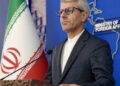
Iran nuclear talks between Tehran and Washington may resume soon following the first round of indirect negotiations held in Oman, according to Iranian Foreign Minister Abbas Araghchi. Speaking after Friday’s discussions in Muscat, Araghchi described the talks as a positive beginning while reiterating Iran’s core positions and warning the United States against any military action.
The renewed diplomatic contacts come amid heightened regional tensions, ongoing US sanctions, and a recent conflict that saw American warplanes bomb Iranian nuclear sites. Both sides have publicly expressed cautious optimism, although major differences remain unresolved.
Oman Talks Mark First Direct Engagement Since War
The Iran nuclear talks in Muscat were the first such negotiations since discussions collapsed last year following Israel’s large-scale bombing campaign against Iran, which triggered a 12-day war. During that conflict, US forces carried out strikes on Iranian nuclear facilities, sharply escalating tensions between Tehran and Washington.
According to Araghchi, the talks were conducted indirectly through Omani mediation. Despite this format, he said there was an opportunity to briefly shake hands with the American delegation, which he described as a symbolic but limited gesture.
Speaking to Iranian state television, Araghchi said both sides agreed to continue negotiations and hold another round of talks soon, although no date has been set.
US and Iran Signal Cautious Optimism
US President Donald Trump described the Muscat discussions as “very good” and said another round of talks was expected next week. However, shortly after the talks, Trump signed an executive order imposing tariffs on countries that continue to do business with Iran.
Washington also announced new sanctions targeting shipping companies and vessels linked to Iran’s oil exports, reinforcing pressure on Tehran even as diplomatic channels reopen.
Iran Insists on Enrichment Rights and Missile Red Lines
A central issue in the Iran nuclear talks remains uranium enrichment. Araghchi said enrichment is Iran’s inalienable right and must continue under any agreement. He added that Tehran is prepared to reach what he called a reassuring agreement on enrichment but only through negotiations.
He stressed that Iran’s missile program is not open for discussion, describing it as a defense issue. Tehran has repeatedly rejected US efforts to broaden the scope of negotiations beyond the nuclear file.
Key Iranian positions outlined by Araghchi include:
• Uranium enrichment must continue on Iranian soil.
• The nuclear issue can only be resolved through negotiations.
• Iran’s missile program is non-negotiable.
• Any attack on Iranian territory would be met with retaliation against US bases in the region.
US Seeks Broader Agenda
The United States has sought to include Iran’s ballistic missile program and its support for armed groups in the region as part of the talks. Media reports say Israel has strongly pushed Washington to expand the agenda. Tehran has consistently rejected this approach, insisting talks remain limited to nuclear matters.
Warnings Amid Military Buildup and Protests
Araghchi warned that Iran would target US bases in the region if Washington attacks Iranian territory. His remarks come as the United States has deployed an aircraft carrier group to the Middle East following Iran’s violent response to protests that began in late December.
Iranian authorities say 3,117 people were killed during the unrest, publishing a list of nearly 3,000 names they describe as security personnel and civilians. International organizations dispute these figures.
According to the US-based Human Rights Activists News Agency, at least 6,872 people have been killed, mostly protesters, with thousands of additional cases under investigation and more than 50,000 arrests reported.
Economic Pressure and Regional Context
Despite sanctions, Iran continues significant trade with China, which accounts for more than a quarter of its foreign trade. World Trade Organization data shows Iran imported about $18 billion worth of goods from China and exported $14.5 billion in 2024.
On Saturday, Araghchi also criticized what he called a doctrine of domination that allows Israel to expand its military capabilities while pressuring other regional states to disarm. Speaking at the Al Jazeera Forum in Qatar, he did not directly reference the Oman talks.
Conclusion:
The resumption of Iran nuclear talks signals a tentative opening after months of confrontation and conflict. While both Tehran and Washington have expressed willingness to continue discussions, deep disagreements over enrichment, sanctions, and regional security remain. The coming rounds of talks will test whether diplomacy can stabilize relations or whether tensions will continue to escalate.