
Iran’s Foreign Ministry said on Monday that the Strait of Hormuz would not open without approval of Tehran’s conditions, adding that there is a chance to implement Iran’s proposal in the coming days.
The comments came as US President Donald Trump renewed his threat to launch a crushing strike on Iran, in a fresh escalation of rhetoric between the two sides.
Tehran Ties Opening of Hormuz to Its Demands
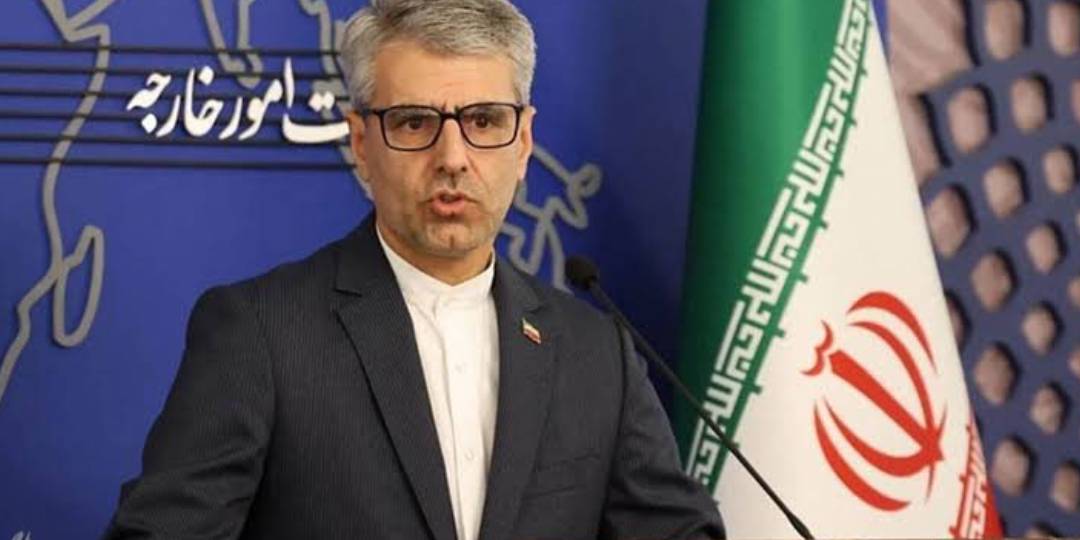
Foreign Ministry spokesman Esmail Baghaei said, “The ball is now in the US court, and our reasonable demands have been clearly put forward,” adding that “the Strait of Hormuz will not open without approval of our conditions.”
He said there is “a chance to implement Iran’s proposal in the next few days,” and added that the strait “will not be safe unless the naval blockade is lifted and Iran’s legitimate demands are met.”
Baghaei also said there is “cohesion and solidarity among all the bodies that make decisions in the Iranian government,” signaling a unified official position in Tehran.
Iran Accuses Israel of Fueling Regional Instability
In a separate comment, the spokesman said Israel is the main source of insecurity and crises in West Asia, adding that the continuing war in occupied Palestine and what he described as genocide there remain at the center of developments in the region.
He said more than 10 people were “martyred” on Sunday in Israeli attacks, without giving further details on the nature or location of those strikes.Trump Renews Threat of Strike on Iran
For his part, Trump repeated his threat to resume strikes against Iran, telling a campaign rally that he may have to deliver a crushing blow to Tehran at some point, without specifying when.
Speaking to supporters in Iowa ahead of Tuesday’s midterm election, Trump said: “The only reason I haven’t finished with Iran yet is because I want to be nice. I want to try to save all those lives if I can, but at some point, we’re going to have to deliver a crushing blow to them.”
Political Escalation Raises Maritime Security Concerns
The remarks come amid rising regional tensions tied to the US-Iran dispute and concerns over the security of shipping lanes in the Gulf and other vital maritime routes.
The Strait of Hormuz is one of the world’s most strategic waterways, carrying huge volumes of oil and gas shipments. Any tension around it can have direct consequences for energy markets and regional security.
Conclusion:
While Tehran links any opening in the Hormuz file to the fulfillment of its conditions, Washington continues to issue direct military threats, heightening fears of further escalation in a highly sensitive region.