
Iran launched a new salvo of drones and missiles at Israel on Friday, marking the seventh consecutive day of direct military confrontation between Tehran and the Israeli state. The Revolutionary Guards, Iran’s ideological military branch, confirmed the strike, stating forces had fired against targets in occupied territories and U.S. military bases across the region. Israel’s military responded with air defense systems intercepting the incoming threats, while air raid sirens activated across the country’s northern zones.
The escalation reflects the rapid intensification of hostilities that began with U.S.-Israeli strikes on the Islamic Republic earlier this week. Both sides have now exchanged multiple rounds of missile and drone attacks, marking a dangerous phase in a conflict that has already extended beyond Iran and Israel into neighboring Lebanon and the Gulf states.
Israel Launches Broad-Scale Counterstrikes on Tehran
Israel’s military announced it had initiated broad-scale strikes against government targets in Tehran following Iran’s fresh attack. The Israeli Defense Forces confirmed they had “identified missiles launched from Iran toward the territory of the State of Israel” and activated defensive systems to intercept the incoming projectiles.
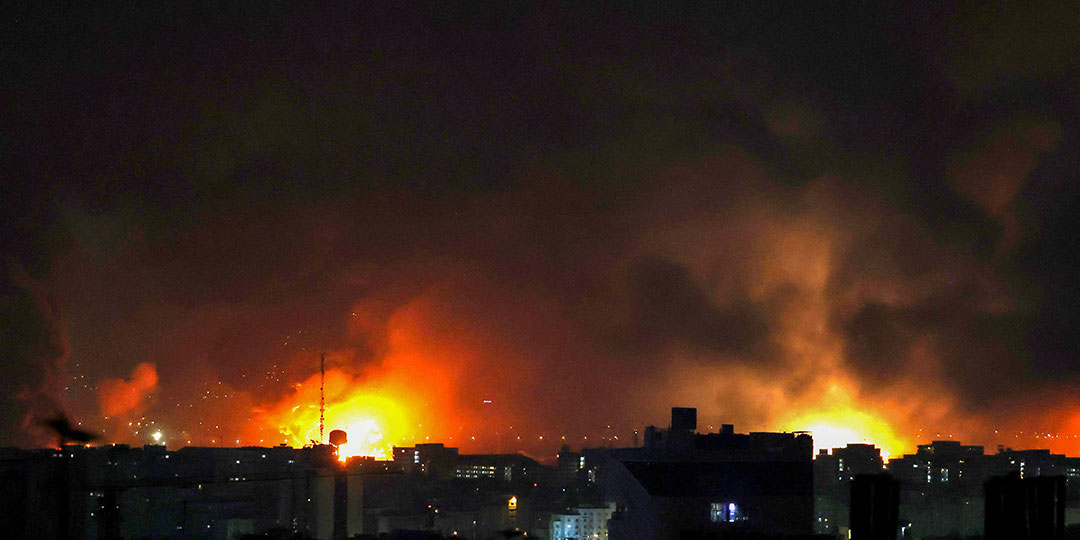
Local media reported explosions in the western portion of Tehran as Israeli strikes landed. Simultaneously, a series of blasts were reported in Tel Aviv, Israel’s commercial hub, following the Iranian missile launches. Israel’s Magen David Adom emergency services stated no casualties were initially reported from the Iranian barrage, and military officials lifted air raid alerts across the northern regions within minutes.
Escalating Campaign Against Iranian Military Infrastructure
Israeli forces have intensified their bombing campaign across Iranian territory. On Friday alone, Israel’s military reported striking more than 400 targets spread across multiple regions, including ballistic missile launchers and drone storage facilities operated by the Revolutionary Guards.
Military analysts note the strike rate indicates a sustained, large-scale campaign targeting Iran’s air defense and missile production infrastructure. U.S. military assets, including strategic bombers, have participated in degrading Iranian launch capabilities, with intelligence officials claiming that ballistic missile attack rates have declined by roughly 90 percent since operations began.
Expanding Regional Impact
The conflict has rapidly extended beyond direct Iran-Israel confrontation:
Saudi Arabia reported intercepting drones targeting the Shaybah oil field early Saturday
Multiple air raid alerts issued across Gulf states, including the United Arab Emirates
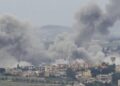
Lebanon experiencing significant spillover, with Israeli strikes targeting Hezbollah positions in Beirut’s southern suburbs
Oil prices surged nearly 30 percent this week amid supply disruption concerns, with Brent crude reaching $92.69 per barrel
Military Scale and Strategic Context
The intensity of the current exchange represents a significant escalation from previous decades of Iran-Israel tensions. Over 400 targets struck in a single day, combined with repeated Iranian missile launches, signals both sides are committed to sustained operations rather than limited strikes.
Intelligence assessments indicate Iran retains mobile missile launchers and additional launch capabilities despite losses to fixed installations. The Revolutionary Guards have maintained the ability to conduct repeated waves of attacks, though degraded infrastructure has reduced overall operational tempo.
Israel has coordinated closely with U.S. forces, utilizing advanced air defense systems and intelligence sharing to intercept Iranian missiles and drones. No confirmed strikes on Iranian nuclear facilities have been reported in the latest operational period.
Humanitarian and Economic Consequences
The escalating conflict has already produced significant casualties across the region. Iran’s Red Crescent reported approximately 1,250 deaths within Iranian territory. Lebanon has experienced over 200 deaths from Israeli airstrikes, with humanitarian organizations reporting 300,000 people internally displaced.
Global crude oil markets have responded sharply to supply disruption fears, driving prices to their highest levels in years. Energy markets remain volatile as the conflict continues without clear de-escalation pathways.
Conclusion:
As the conflict enters its second week, both Iran and Israel show no signs of reducing military operations. The exchange of missiles, drones, and coordinated airstrikes indicates the dispute has moved beyond limited strikes into a sustained military campaign targeting core strategic infrastructure. Regional nations remain vulnerable to spillover effects, while international markets react to the security volatility and supply disruption risks.