
India’s Ministry of Foreign Affairs formally summoned Iran’s ambassador Saturday following gunfire incidents targeting oil tankers in the Strait of Hormuz, reflecting escalating diplomatic tensions over maritime safety in the strategically vital passage. The summoning represents significant shift in New Delhi’s approach toward Iran and signals growing concern regarding threats to Indian commercial shipping interests in the critical waterway.
During the ministerial-level meeting, Indian officials conveyed New Delhi’s strong objections to the incidents and demanded immediate resumption of safe maritime passage conditions. India specifically requested that the Iranian ambassador convey to Tehran that New Delhi expects renewed commitment to facilitating unobstructed commercial shipping through the vital corridor. The incident involving an Indian-flagged tanker carrying Iraqi crude oil underscores the broadening impact of regional tensions on global trade and energy security.
India’s Formal Diplomatic Protest
India’s Ministry of Foreign Affairs issued official statement Saturday: “India’s Ministry of Foreign Affairs summoned the Iranian ambassador following gunfire on two oil tankers in the Strait of Hormuz.” The statement specified that “the summoning was conducted to hold a meeting with the Foreign Minister,” indicating ministerial-level engagement addressing the incident.
During the meeting, Indian officials pressed the Iranian ambassador to transmit New Delhi’s position to Iranian authorities and to work toward “resumption of procedures facilitating vessel passage through the vital maritime corridor.” This diplomatic approach combines strong protest with continued emphasis on practical solutions and dialogue rather than confrontation.
India’s Strategic Message to Tehran
India’s formal protest reflects several strategic calculations:
- Protection of commercial interests: Ensuring safe passage for Indian-flagged vessels and cargo
- Energy security: Maintaining reliable crude oil imports essential to Indian economy
- Regional influence: Asserting India’s growing role in regional security dynamics
- Diplomatic leverage: Using formal channels to pressure Iranian policy adjustments
The ministerial-level meeting signals that New Delhi views the incidents with utmost seriousness and expects Iranian government response.
Gunfire Incident on Indian-Flagged Tanker
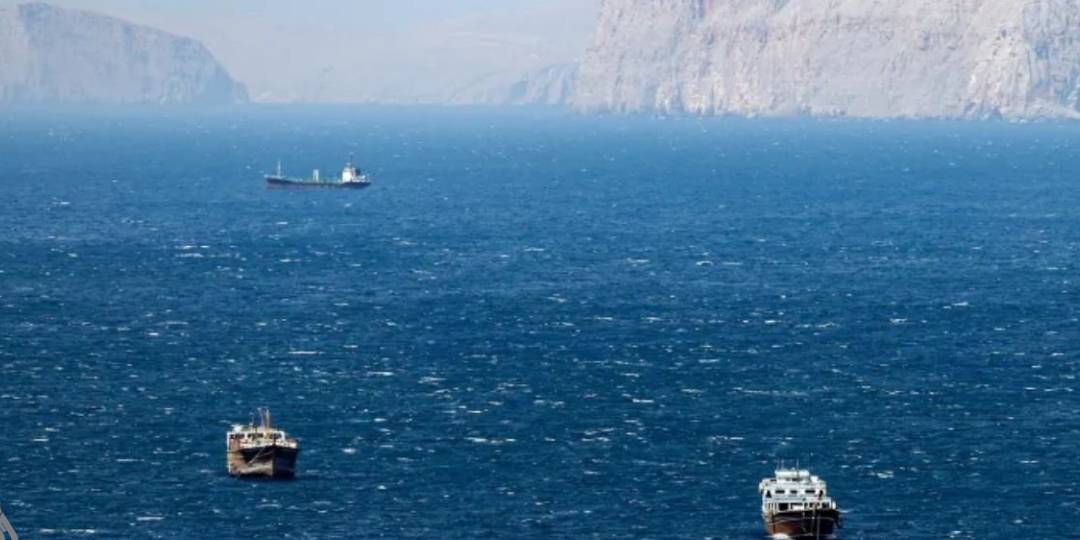
Tanker Trackers website reported Saturday that an Indian-flagged giant oil tanker carrying two million barrels of Iraqi crude oil came under gunfire in the Strait of Hormuz. The report stated: “A giant oil tanker flying the Indian flag carrying two million barrels of Iraqi crude oil came under gunfire in the Strait of Hormuz.”
This incident directly impacts Indian commercial interests and highlights that maritime threats extend beyond Iranian shipping to affect all vessels transiting the passage regardless of flag or cargo destination. The fact that the tanker carried Iraqi oil underscores how regional instability disrupts trade flows of multiple nations depending on the passage for energy security.
Significance of Iraqi Oil in Global Energy Markets
Iraq represents major global oil exporter, and the country depends heavily on exports through the Strait of Hormuz to generate critical government revenues. Any disruption to maritime passage directly impacts Iraqi economic stability and international efforts to support post-conflict Iraqi state-building.
Indian-flagged vessels carrying Iraqi oil reflect India’s crucial role in transporting crude supplies to global markets. India imports substantial crude oil quantities for refining and domestic energy consumption, making Strait of Hormuz security a matter of strategic national importance.
Iranian Revolutionary Guards Intercept Vessels
Reuters reported Saturday that Iranian Revolutionary Guards intercepted two vessels in the Strait of Hormuz. The report stated: “The Revolutionary Guards intercepted two vessels in the Strait of Hormuz.”
This interception follows pattern of escalating military operations despite Iranian government declarations of opening the passage to commercial shipping. The incidents suggest possible disconnect between political statements from Tehran and operational decisions by military commanders on the ground, or alternatively, possible deliberate strategy employing dual messaging.
Contradiction Between Political Declarations and Military Actions
A stark contradiction emerges between Iran’s recent governmental announcement opening the Strait of Hormuz and ongoing military operations targeting or intercepting vessels. Iranian Foreign Minister Abbas Araghchi stated days earlier that “passage of all commercial ships through the Strait of Hormuz is fully available,” yet subsequent military incidents contradict this commitment.
This contradiction raises fundamental questions about:
- Government control: Whether Tehran maintains operational authority over military commanders
- Policy coherence: Whether political and military branches pursue consistent strategies
- International credibility: How international actors should interpret Iranian policy statements
- Shipping safety: What assurances can be offered to commercial vessels
U.S. Central Command Maintains Blockade Enforcement
U.S. Central Command affirmed Saturday that it continues enforcing comprehensive blockade of Iranian ports. The command stated: “23 vessels complied with our directives to return since the maritime blockade on Iran was imposed.”
Central Command added: “We enforce a blockade on vessels to and from Iran.” This statement underscores that despite Iranian governmental statements regarding opening the Strait, American military enforcement of sanctions remains comprehensive and operationally effective. The 23 vessels that complied with U.S. directives represent successful enforcement of economic pressure on Iranian shipping.
Contradiction Between U.S. Blockade and Iranian Opening Declaration
A critical contradiction exists between Iran’s declaration of opening maritime passage and America’s continued comprehensive blockade. While Iran announced that commercial vessels enjoy full freedom to transit the passage, the U.S. Central Command maintains enforcement that prevents vessels from reaching or departing Iranian ports.
President Donald Trump confirmed earlier that “the blockade on Iranian ports will continue until agreement is reached with Tehran.” This means the U.S. continues using economic pressure as negotiating leverage, regardless of Iranian political statements regarding maritime access.
Iranian Supreme Leader Emphasizes Military Readiness
Iran’s Supreme Leader Ayatollah Seyyed Mojtaba Khamenei affirmed Saturday that “the Iranian Navy is prepared to make enemies taste bitter defeat.” The statement reflected escalating military rhetoric and served as counterpoint to diplomatic messaging regarding maritime security cooperation.
Khamenei stated: “The Army is truly born from the people, springs from the homes of their sons, and the course of developing diverse capacities of the Iranian military must be pursued doubled.” This language emphasizes popular legitimacy of military institutions and commitment to strengthening defense capabilities.
Iranian Military Messaging and Readiness Posture
Khamenei’s statement conveyed several strategic messages:
- Military commitment: Armed forces dedicated to defending national sovereignty
- Popular support: Military legitimacy based on popular backing
- Capability development: Continued investment in diverse military technologies
- Adversarial response: Readiness to confront external threats
The statement reflected escalating military rhetoric that contradicts earlier diplomatic overtures regarding maritime stability.
Broader Context of Hormuz Tensions
Recent incidents in Strait of Hormuz occur within complex geopolitical context:
- Iran’s opening announcement: Iranian declaration of opening passage to commercial shipping
- U.S. continued blockade: Continued American enforcement of sanctions
- Lebanon ceasefire: Recent ceasefire agreement between Lebanon and Israel
- Potential negotiations: Anticipated resumption of U.S.-Iran discussions
This multi-layered situation creates uncertainty for third countries dependent on Hormuz transit for energy security.
Delicate Balance Between Military and Political Dynamics
Recent events reflect precarious balance between political statements and military operations. Iran attempts to project image of state committed to freedom of navigation, yet military operations tell different narrative. United States maintains economic pressure through blockade while potentially preparing for diplomatic engagement.
This unstable equilibrium creates unpredictability for nations like India dependent on secure maritime passage for energy imports and economic prosperity.
Global Economic Implications of Hormuz Tensions
Developments in the Strait of Hormuz carry profound economic consequences:
- Oil prices: Regional tensions directly increase global energy costs
- Inflation: Rising energy costs contribute to inflationary pressures
- Supply chains: Shipping disruptions affect global trade flows
- Investments: Geopolitical uncertainty deters foreign direct investment
India’s Role as Rising Economic Power
India’s summoning of the Iranian ambassador reflects India’s expanding economic weight and willingness to actively protect commercial interests. As major developing economy and substantial oil importer, India possesses legitimate interest in Hormuz stability.
India’s protest against gunfire on tankers reflects desire to play more active role in protecting economic interests and influencing regional policy dynamics.
Divergence Between Political Declarations and Military Reality
Fundamental divergence exists between what Iranian political authorities declare publicly and what Iranian military forces do operationally. This divergence creates credibility problems for Iran internationally and uncertainty for commercial shipping companies evaluating risk.
Similarly, American blockade enforcement contradicts any Iranian governmental assurances regarding free passage. Commercial vessels navigating this environment must account for multiple conflicting signals and pressure sources.
Risk to Global Energy Markets
Continued uncertainty in Strait of Hormuz creates risks to global energy stability:
- Price volatility: Recurring incidents drive oil price fluctuations
- Supply uncertainty: Questions about reliable crude availability
- Insurance costs: Rising maritime insurance premiums for passage
- Route diversification: Some shipping redirected to longer alternative passages
Conclusion:
India’s formal summoning of Iran’s ambassador reflects serious escalation in diplomatic tensions surrounding Strait of Hormuz security. Despite Iranian governmental declarations regarding maritime opening, operational incidents involving gunfire on tankers and vessel interceptions indicate continued instability. The U.S. blockade’s continuation adds additional complexity, creating challenging navigation environment for third countries like India dependent on secure Hormuz transit for energy security.
True success in reducing tensions requires genuine commitment from all parties to cease military operations and return to meaningful negotiations. Failure to achieve this risks repeated escalation cycles threatening global economic stability and regional security. India’s formal diplomatic protest signals that major emerging economies increasingly assert interests in protecting commercial shipping and energy security against regional conflicts that threaten vital global trade routes.