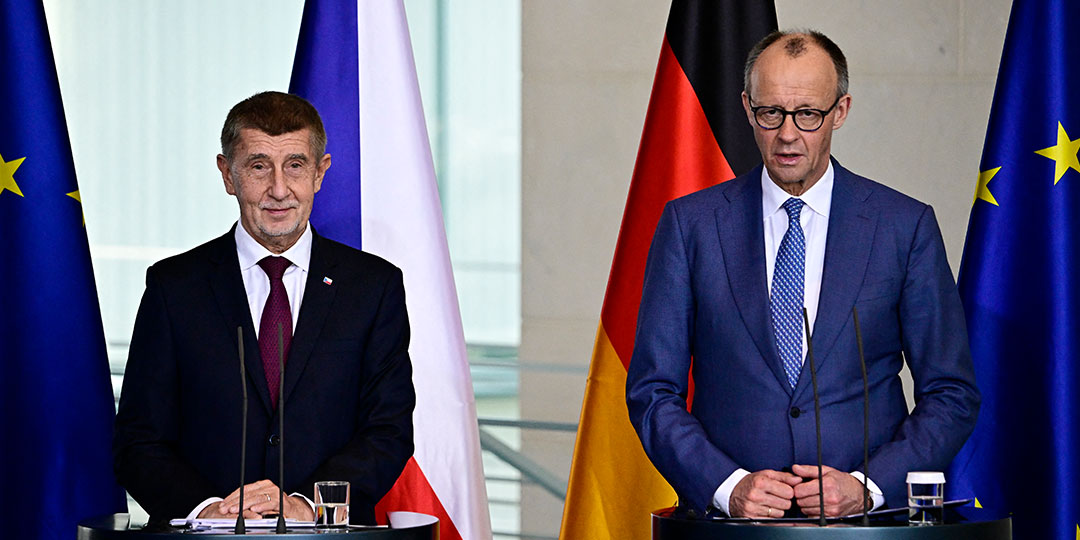

German Chancellor Friedrich Merz issued a sharp critique on March 10, 2026, of the ongoing military campaign against Iran, warning that the United States and Israel appear to lack a coherent plan to bring the conflict to a swift conclusion. In the same statement, Merz condemned Israel’s E1 West Bank settlement project as a “big mistake,” arguing that expansion threatens the viability of a two-state solution. The dual statement reflects growing European unease over both the military trajectory of the Iran war and Israel’s settlement policies, raising fundamental questions about conflict resolution and the future of Palestinian statehood.
Germany’s intervention underscores how the escalating Middle Eastern conflicts are generating diplomatic friction even among traditional Western allies.
Germany Questions Absence of End Strategy for Iran War
Merz Warns of Prolonged Conflict Without Clear Plan
Chancellor Merz expressed serious concern that, despite more than a week of military operations against Iran, the United States and Israel have failed to articulate a coherent strategy for achieving a decisive and lasting conclusion to the war. “The United States and Israel have been waging war against Iran for over a week. We share many of these goals, but with each day of the war, more questions arise,” Merz stated.
The German leader emphasized that prolonging conflict without clear political and military objectives risks creating an open-ended military commitment with unpredictable regional consequences. His comments reflect growing anxiety among Western allies about the strategic direction of the campaign.
Growing European Concerns About Regional Stability
Merz’s warning about the absence of an exit strategy highlights a critical diplomatic fault line between Europe and the US-Israel alliance. While Germany and other European nations have expressed concern about Iran’s regional actions and military capabilities, many are alarmed at the pace of military escalation without accompanying diplomatic frameworks.
“We are particularly concerned that there is apparently no common plan for how this war can be brought to a swift and convincing end,” Merz warned, indicating that Germany views the current military trajectory as potentially destabilizing for the broader Middle East region.
The chancellor’s comments suggest that European governments are seeking reassurance from Washington and Tel Aviv about the strategic objectives and timeline for the conflict, particularly given the economic impacts of Hormuz strait disruptions and regional instability.
Merz Condemns Israeli E1 Settlement as Obstacle to Peace
German Government Calls E1 Project “Big Mistake”
In a parallel statement, Merz directly criticized Israel’s advancement of the E1 (East-1) settlement project in the occupied West Bank, describing it as a “big mistake” that threatens prospects for Palestinian statehood. The E1 area, located between East Jerusalem and the Ma’ale Adumim settlement, is strategically positioned to potentially divide the West Bank and isolate Palestinian territory.
“The German government urgently calls for such steps to be refrained from,” Merz stated, emphasizing Berlin’s formal opposition to the project. The chancellor warned that advancing E1 would “complicate the two-state solution” and further entrench Israeli territorial control over disputed lands.
Settlement Expansion Contradicts Peace Framework
The E1 project represents a long-standing flashpoint in Israeli-Palestinian negotiations. International legal scholars and peace advocates argue that construction in E1 would effectively sever territorial continuity for a future Palestinian state, making the viability of Palestinian sovereignty substantially more difficult.
Germany’s explicit condemnation aligns with European Union positions opposing settlement expansion. However, Merz’s public rebuke marks an unusually direct criticism from Berlin, suggesting that Germany views the current moment as critical for restraining Israeli settlement activity.
The timing of Merz’s statement is significant, as reports indicate that Israeli authorities are expected to advance tender processes for E1 construction around March 16, 2026. Germany’s pre-emptive warning appears intended to influence Israeli decision-making before formal contracts are awarded.
Germany Balances Alliance Loyalty with Regional Principles
Allied Tensions Over Strategy and Settlements
Merz’s dual critique reflects a widening gap between European perspectives and US-Israeli strategic choices. Germany has historically supported Israel’s security concerns while also maintaining a commitment to international law and the two-state framework. The current statements suggest Berlin is attempting to exert diplomatic pressure to redirect both military strategy and settlement policy.
The German government’s stated position is that:
The war against Iran requires a clearly defined political end state, not indefinite military operations
Israeli settlement expansion contradicts the foundation of any sustainable peace agreement
Continued escalation without strategic clarity threatens regional stability and European economic interests
A negotiated two-state solution remains the only viable framework for Israeli-Palestinian peace
Economic and Security Implications for Germany
Germany’s concerns are not purely diplomatic. The ongoing Iran war has already disrupted global oil markets and the Strait of Hormuz, creating economic pressures on European energy supplies. Prolonged conflict without resolution risks further market shocks and regional destabilization that could impact European security interests.
Settlement expansion, meanwhile, threatens to further delegitimize the Israeli government internationally, potentially complicating Germany’s efforts to maintain a balanced Middle East policy that respects both Israeli security needs and Palestinian rights.
German Chancellor Friedrich Merz’s March 10 statements represent a significant diplomatic intervention in two critical Middle East conflicts. His warning about the absence of a clear endgame in the US-Israel war against Iran reflects European anxiety about military escalation without strategic clarity. Simultaneously, his condemnation of the E1 settlement project reaffirms Germany’s commitment to Palestinian statehood and international law. Together, these statements signal that Germany believes both the military campaign and Israeli settlement policy are heading in directions contrary to European interests and values. Whether Merz’s warnings influence US, Israeli, or Iranian decision-making remains uncertain, but they underscore growing allied tensions over the strategic direction of Middle Eastern conflicts.