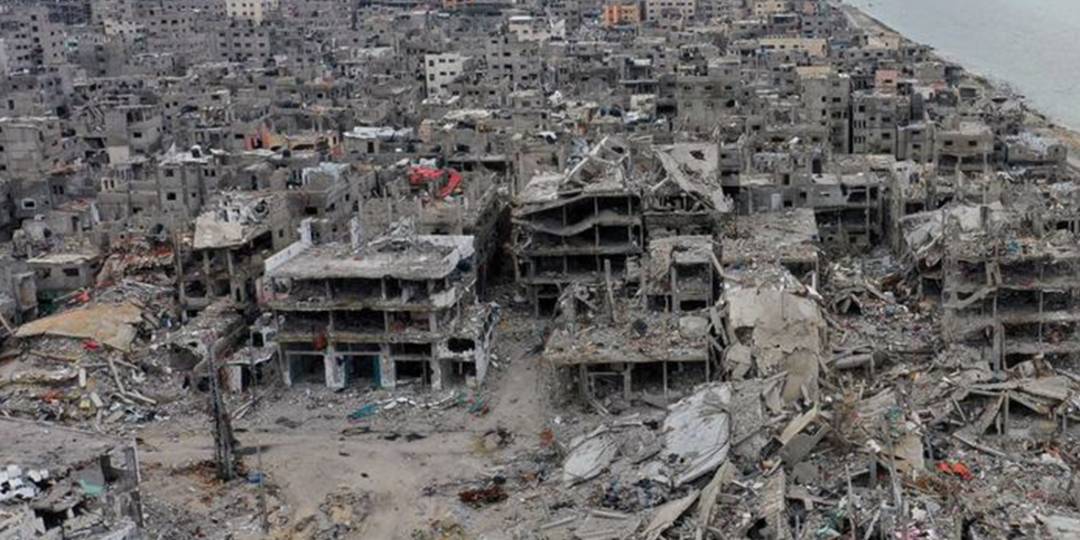

The United Nations and European Union released comprehensive report Monday estimating that Gaza reconstruction and recovery will require $71.4 billion over the next ten years through 2036. Conducted in collaboration with World Bank, the assessment reveals devastating scope of destruction following conflict that began October 2023. The massive reconstruction cost includes $35.2 billion in physical infrastructure damage and $22.7 billion in economic and social losses. Immediate funding requirement of $26.3 billion during first 18 months will be essential for restoring basic services, rebuilding critical infrastructure, and supporting economic recovery.
The report highlights catastrophic impact on human development, with Gaza’s development index having regressed 77 years. More than 60% of population has lost homes. Women, children, persons with disabilities, and most vulnerable populations bear disproportionate burden of crisis. The staggering reconstruction costs underscore unprecedented scale of destruction and desperate humanitarian needs facing Gaza’s 1.8 million residents.
Total Reconstruction Costs and Timeline
The United Nations and European Union jointly announced comprehensive reconstruction estimates Monday. The organizations stated: “Damage, economic losses, and recovery and reconstruction needs in Gaza are estimated at $71.4 billion over the ten-year period.”
This massive amount reflects scale of comprehensive destruction affecting every aspect of life in Gaza. The ten-year reconstruction timeline indicates lengthy, complex process requiring enormous resources. The sheer magnitude of required investment underscores unprecedented challenge facing international community in supporting Gaza’s recovery.
Cost Distribution and Immediate Priorities
UN and EU identified clear spending priorities and timeline:
- Phase One (18 months): $26.3 billion required
- Subsequent Phases (9 years): Remaining $45.1 billion
- Immediate Priorities: Restoring basic services and critical infrastructure
- Economic Support: $26.3 billion during first 18 months for restoration
Detailed Breakdown of Damage and Economic Losses
The international assessment revealed precise accounting of damage and losses:
Physical Infrastructure Damage: $35.2 Billion
- Residential housing destruction
- Roads, bridges, utilities
- Water, sanitation, electricity systems
- Medical facilities and hospitals
- Educational institutions
- Commercial and industrial facilities
Economic and Social Losses: $22.7 Billion
- Employment and income losses
- Agricultural sector damage
- Industrial capacity losses
- Displacement and migration costs
- Social infrastructure damage
- Long-term economic contraction
Comparative Scale of Destruction
The reconstruction costs represent staggering magnitude of damage:
- Per Capita Cost: Approximately $3,000 per Gaza resident
- Comparable to: Annual budgets of mid-sized nations
- Historical Ranking: Among largest post-conflict reconstruction efforts
- Required Duration: Full decade of intensive investment
Catastrophic Impact on Human Development
The report revealed horrifying collapse in human development indicators. The assessment stated: “Human development in Gaza has regressed 77 years.” This figure reflects unprecedented destruction of social and economic structures.
Regression of 77 years means Gaza has returned to conditions unseen for seven decades. This catastrophic decline indicates:
- Health Services Collapse: Medical sector facing complete infrastructure failure
- Education System Destruction: Schools and universities closed or destroyed
- Employment Crisis: Massive unemployment affecting majority of population
- Living Conditions Deterioration: Basic services non-functional
Meaning of 77-Year Development Regression
This figure represents:
- Lost Decades of Progress: Erasure of decades of developmental achievements
- Reversal to Past Conditions: Gaza returned to circumstances of 1940s
- Massive Investment Required: Enormous resources needed to restore progress
- Psychological Impact: Comprehensive trauma affecting entire population
Housing Crisis and Displacement
The report indicated that “more than 60% of population lost homes.” This means:
- 1.1 Million Homeless: Approximately 60% of 1.8 million population
- Acute Humanitarian Crisis: Millions living in dire humanitarian conditions
- Urgent Shelter Needs: Hundreds of thousands of new homes required
- Psychological Devastation: Home loss creates deep psychological trauma
Challenges in Housing Reconstruction
Rehousing 60% of population faces enormous obstacles:
- Land Scarcity: Limited available land in densely populated territory
- Material Shortages: Insufficient construction materials and financial resources
- International Coordination: Complex multinational coordination required
- Time Requirements: Years needed to rebuild millions of homes
Most Vulnerable Populations and Special Needs
The international report emphasized suffering of vulnerable groups. The assessment stated: “Women, children, persons with disabilities, and most vulnerable populations bear largest burden.”
These groups face compounded challenges:
Women Face:
- Higher unemployment rates
- Lack of reproductive health services
- Violence and exploitation
- Additional family responsibilities
Children Experiencing:
- Psychological trauma from conflict
- Educational disruption
- Malnutrition and disease
- Loss of childhood safety
Persons with Disabilities Confronting:
- Service accessibility difficulties
- Specialized healthcare gaps
- Social isolation
- Mobility and transportation challenges
International Assistance Requirements and Challenges
Securing $71.4 billion faces significant obstacles:
Potential Funding Sources:
- International grants and loans
- Bilateral country assistance
- International financial institutions
- Private sector and investment
Funding Challenges:
- Political pressures and state agendas
- Capital withdrawal difficulties
- Complex financial and economic conditions
- Slow international funding procedures
Timeline and Obstacles
Providing $26.3 billion within first 18 months faces critical challenges:
- Immediate Need: Funding required now, not later
- Complex International Coordination: Multi-party negotiation required
- Efficiency and Management: Ensuring effective fund utilization
- Monitoring and Transparency: Preventing corruption and misuse
Comparison with Previous Reconstruction Efforts
Gaza reconstruction costs rank among largest globally:
Historical Comparisons:
- Post-WWII Europe Reconstruction: Approximately $150 billion in today’s dollars
- Iraq Reconstruction: Approximately $200 billion over 10 years
- Afghanistan Reconstruction: Approximately $133 billion over 20 years
- Gaza Reconstruction: $71.4 billion over 10 years
Comparison shows Gaza requires enormous investment relative to its size.
Long-Term Impacts and Sustainable Development
Reconstruction must emphasize sustainable development:
Long-Term Goals:
- Building diversified economy
- Creating permanent employment opportunities
- Improving health and education services
- Protecting environment and natural resources
Economic Challenges:
- Limited labor market
- Natural resource scarcity
- External funding dependence
- Political instability
Role of International Organizations and Governments
Reconstruction requires broad international cooperation:
United Nations:
- Coordinating humanitarian operations
- Monitoring human rights standards
- Ensuring transparency and accountability
European Union:
- Providing EU financing
- Offering technical expertise
- Ensuring construction standards
World Bank:
- Providing loans and financing
- Technical project supervision
- Ensuring economic efficiency
Humanitarian and Political Messages
The report carries powerful humanitarian and political messages:
Humanitarian Message:
- Suffering of millions of people
- Urgent humanitarian assistance needs
- Justice and accountability
Political Message:
- International responsibility
- Need for lasting peace
- Prevention of future catastrophe
Conclusion:
The United Nations and European Union report reveals true magnitude of catastrophe befalling Gaza. The staggering $71.4 billion reconstruction figure over full decade reflects unprecedented scale of destruction and economic and humanitarian losses.
Loss of homes for over 60% of population and 77-year regression in human development indicates comprehensive humanitarian disaster requiring immediate and powerful international response. Most vulnerable populations including women, children, and persons with disabilities require special attention and protection.
Success of Gaza reconstruction depends on:
- Providing sufficient and immediate funding
- Genuine and sustained international cooperation
- Focusing on sustainable development
- Maintaining human rights and transparency standards
- Preventing repetition of such catastrophes
Gaza reconstruction will not be easy or quick, but remains imperative necessity for restoring hope and life to millions who suffered this humanitarian catastrophe.