
For the first time since war erupted in Gaza more than two years ago, Randa Abu Diyya shops for new clothes for her daughter to mark Eid al-Fitr, yet simultaneously worries that Gaza has become “forgotten” due to the war against Iran. Muslims await announcement of the Eid crescent moon sighting in coming days, and despite Middle East war, the holiday appears “different” this year thanks to a fragile ceasefire in the devastated enclave that began in October 2025.
Gaza residents’ Eid preparations reflect attempts to return to normalcy following a devastating war lasting over one year. Yet concerns about Iran war’s impact on humanitarian assistance and international attention dominate many minds. The contrast between cautious optimism about ceasefire and anxiety over regional developments creates a complex emotional landscape for Palestinians emerging from catastrophic conflict.
Life Gradually Returning to Gaza
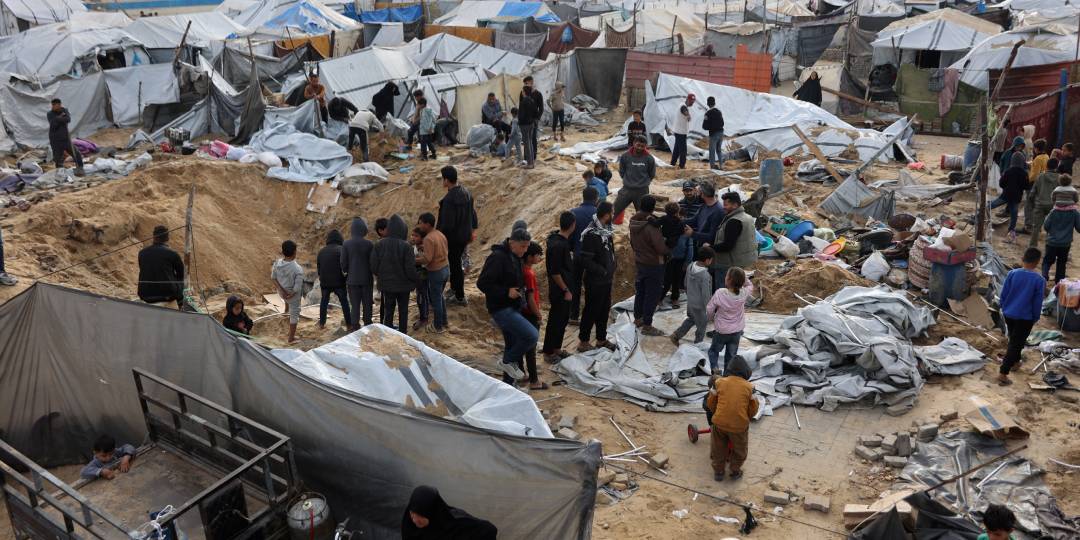
Randa, 38, who lives with her husband and daughter Fida in a tent after their home was destroyed in Beit Lahiya to the north, says “this year is very different, there is far less bombing than before.” She adds “this year, I decided to rejoice with my children and celebrate with what we have available.”
Yet grief still permeates their lives. Randa stated “I will not forget my brother and relatives who were martyred last year, but we try to create a little joy although sadness never leaves us.”
Children’s Joy Despite Loss
Her daughter Fida, 15, says “my mother bought me jeans, a shirt, and a sweater. This is the first Eid we will celebrate” since the war began. She added “I had a beautiful room with my clothes and books and toys. They destroyed everything. I hope we celebrate this Eid and it marks the beginning of a return to nice life.”
Children’s joy at new clothes reflects psychological need for normalcy after years of war and destruction.
Concerns Over Gaza Being Forgotten Due to Iran War
Yet Fida’s mother worries about another war raging in the Middle East for eighteen days. Randa closely follows news of the Iran war and does not leave her radio even while preparing food for her children. This applies to many Gazans watching Iran war coverage through local radio stations.
Abu Diyya states “what happens in Iran has direct impact on our lives, now Gaza is forgotten and the world ignores the suffering of its people.” This fear reflects genuine concern that international community’s engagement with new conflict may lead to reduced assistance and support for Gaza.
Economic Hardship Despite Ceasefire
Ammar al-Bahisy, 34, from Deir al-Balah in central Gaza, complains of inability to purchase Eid clothes and sweets for his children. He says “I don’t know what to tell my son, there is no source of food income, how will I buy my children clothes and sweets for Eid?”
Ibtisam Sekik, 33, also could not purchase Eid clothes for her daughters aged 8 and 11. She states “I see joy in my daughters’ eyes and fear letting them down. Some of our neighbors bought Eid clothes.”
High Prices and Financial Situation
The woman living in al-Shati district west of Gaza says “the financial situation is very difficult and prices are expensive,” adding “if Iran war ends maybe the world will pay attention to Gaza again.”
A child’s shirt costs between 50 and 100 shekels (between $16 and $32), while some chocolate types exceed 100 shekels per kilogram. These high prices reflect resource and supply shortages in the enclave.
Popular Markets and Celebrations
Most central and historic Gaza markets were destroyed during war, but popular markets have opened relying mostly on cloth-made stalls and mobile carts. These markets fill with shoppers and pedestrians as colored lights and decorations hang on shop fronts and vendor stalls, while religious songs and Takbir chants sound from loudspeakers.
Beginning of Economic Life Again
Hussein Duwayma, 49, whose clothing shop in Deir al-Balah was destroyed, says “life is gradually returning to Gaza, markets are witnessing great customer interest these days to buy clothes.” This reflects renewed economic activity resuming after years of complete paralysis.
Feelings of Hope and Exhaustion
Hossam Abu Shaqfa, 28, who lives with his family in al-Mawasi area west of Khan Yunis to the south, says he still hears explosion sounds occasionally. He continues “we are tired of war and destruction, Iran is far from us, but war there affects us.”
Yet the young man does not hide joy after obtaining new clothes for his three children and holiday sweets from a local charity. He says while lighting fire for his wife to prepare Eid cookies “these are the most beautiful days we’ve lived since the war began.”
UN Warns of Ethnic Cleansing in West Bank
The United Nations urged Israel Tuesday to immediately halt West Bank settlement expansion, intensifying fears of “ethnic cleansing” as over 36,000 Palestinians have been displaced in one year.
A new report from the UN Office of the High Commissioner for Human Rights warned that Israel’s acceleration of illegal settlement expansion and annexation of large West Bank portions is causing displacement on “an unprecedented scale.”
Displacement and Settlement Figures
The report stated that “displacement of more than 36,000 Palestinians in occupied West Bank represents forced displacement on unprecedented scale and appears to indicate a coordinated Israeli policy of mass forced transfer throughout occupied territory, aimed at permanent displacement, raising fears of ethnic cleansing.”
The report indicated Israeli authorities approved or advanced construction of 36,973 housing units in settlements in occupied East Jerusalem and approximately 27,200 elsewhere in West Bank. Additionally, 84 new settlement outposts were established in occupied West Bank during the report period, an unprecedented number.
Violence and Attacks in West Bank
Violence levels in Israeli-occupied West Bank have increased significantly since Hamas attack on Israel on October 7, 2023. Israeli settler attacks in West Bank have intensified since Iran war erupted, with six Palestinians killed since March onset.
Casualty Statistics
According to death toll compiled by AFP based on Health Ministry data, Israeli soldiers or settlers killed at least 1,045 Palestinians, including dozens of civilians, in West Bank since Gaza war began. The report documented 1,732 settler violence incidents resulting in injuries or property damage during the year covered.
UN Calls for Evacuation and Return
UN High Commissioner for Human Rights Volker Türk called for “evacuation of all settlers and ending occupation of Palestinian land.” He emphasized Israel must also “enable return of displaced Palestinians, cease all land seizure practices and forced evictions and house demolitions.”
Potential War Crimes
The report noted that “unlawful transfer of protected persons constitutes war crime under Fourth Geneva Convention and may in certain circumstances constitute crime against humanity.” This assessment reflects international concern regarding severity of West Bank situation.
Context of Palestinian Suffering
The ceasefire in Gaza, while providing temporary relief from constant bombardment, exists against backdrop of accelerating Israeli settlement policies and displacement campaigns in West Bank. Palestinians face simultaneous challenges on multiple fronts: reconstruction in Gaza, protection from settlement expansion, and prevention of forced displacement in West Bank territories.
International Attention Shifting
The emergence of Iran-Israel regional war threatens to divert international attention from Palestinian humanitarian crisis and human rights violations. Gazans’ concerns about Iran conflict overshadowing their situation appear justified given geopolitical realities and competing international priorities.
Conclusion:
Gaza’s celebration of Eid al-Fitr amid ceasefire represents Palestinians’ attempt to reclaim normalcy after devastating conflict. Yet simultaneous concerns about the Iran war potentially marginalizing Palestinian issues underscore precarious position of Gaza in geopolitical landscape. UN warnings regarding West Bank settlement acceleration and ethnic cleansing risks indicate Palestinian people face threats on multiple fronts despite ceasefire in Gaza. The international community faces challenge of maintaining humanitarian support and attention to Palestinian plight while managing new regional crises, a balance that appears increasingly difficult to maintain.