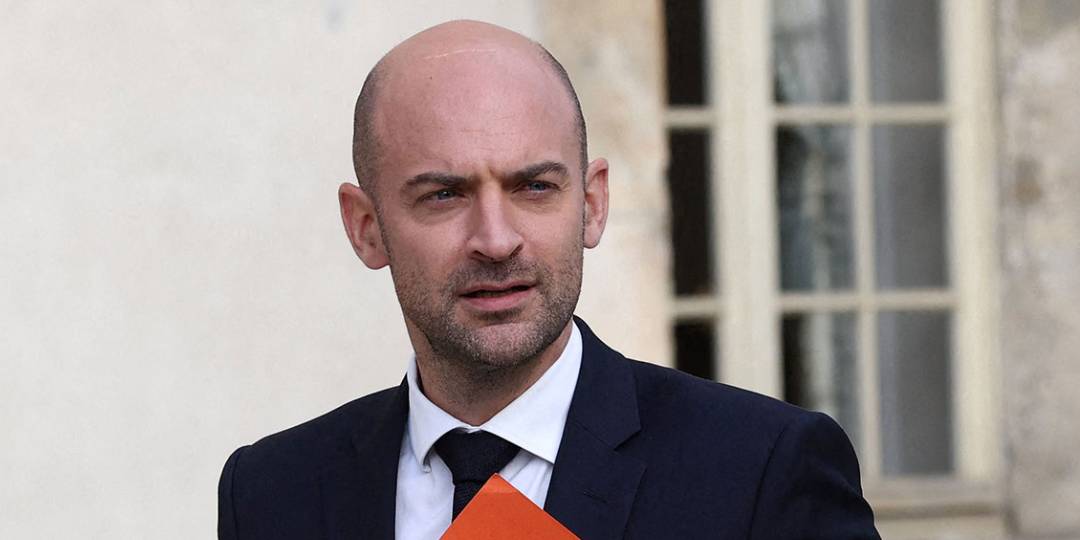

French Foreign Minister Jean-Noel Barrot said on Wednesday that France is moving toward closer ties with Canada, stressing the importance of deepening relations between the two sides. The comments come as Europe debates a wider upgrade in its relationship with Ottawa after European Commission President Ursula von der Leyen proposed giving Canada a new status as an “associate member” of the European Union.
At the same time, U.S. President Donald Trump escalated his rhetoric toward the EU, threatening tariffs or even an end to trade if the bloc moves ahead with what he called an “hostile” plan to expand its partnership with Canada.
Paris Backs Deeper Relations With Ottawa
Barrot Talks About Closer Links
Barrot said France is looking to build closer ties with Canada, adding that Paris sees deeper cooperation as an important option that should be carefully considered. He said French President Emmanuel Macron will meet Canadian Prime Minister Mark Carney next Sunday in Saint Pierre and Miquelon, as part of efforts to strengthen political contact between Paris and Ottawa.
The French minister said the proposal to deepen EU-Canada relations should be discussed, studied, and analyzed before France takes a final position, reflecting Paris’s wish to handle the file within an organized and measured European framework.
Sovereignty and Democracy Are Not Negotiable
Responding to Trump’s threats of tariffs on Europe if the proposed EU-Canada rapprochement is seen as hostile, Barrot said sovereignty, like borders and democracy, is not negotiable. His remarks show France’s insistence that international relations should not be driven only by economic pressure.
Von der Leyen Opens the Door to Canada
Canada as a Possible “Associate Member”
The French minister’s remarks came a day after von der Leyen raised the idea of opening the door for Canada to become the EU’s first “associate member,” as part of a push to bring the two sides to a new level of cooperation. The proposal came in the presence of Mark Carney, who received prolonged applause from European lawmakers.
Addressing Carney, von der Leyen said the EU wants to take relations with Canada to the highest possible level and that she wants to work with him to explore the possibility of Canada becoming the first associate member of the EU.
A New European Security Council
Von der Leyen also proposed that Canada join a future “European Security Council” that the EU is looking to establish, alongside partners such as Norway, Ukraine, and the United Kingdom. The idea is aimed at improving coordination on European security at a time of rising challenges.
Trump Threatens the EU
Tariffs or a Trade Freeze
Trump, meanwhile, threatened to reduce trade with the European Union if it moves ahead with its proposal to give Canada the status of first “associate member” in the bloc. Speaking to reporters, Trump called the idea “ridiculous,” adding that if he sees it as hostile, he will impose very heavy tariffs or stop trade with Europe.
Trump’s comments came after von der Leyen floated the possibility on the eve of a planned speech by Canadian Prime Minister Mark Carney to the European Parliament, adding a fresh political and economic layer to the debate.
Tension Between Europe and Washington
The remarks highlight a clear difference between Paris and Brussels on one side and Washington on the other over the future of EU-Canada relations. While France and the EU are pushing for a closer partnership with Canada, Trump is responding with trade threats if he views the move as hostile to the United States.
Broader Political and Economic Meaning
New Partnerships and European Security
The latest European proposals open the door to a deeper framework for relations with Canada, especially in security, defense, and political coordination. The idea of an “associate member” appears designed to create a new structure linking Canada to the European project without full membership.
Sovereignty at the Center of the Debate
The French comments also show that sovereignty will remain central to any discussion about EU expansion or partnership, as France takes a firm line against outside pressure, especially from Washington.
Conclusion:
Comments from Paris, Brussels, and Washington show that the future of EU-Canada relations has entered a sensitive phase, with European calls for a deeper partnership and U.S. threats of trade retaliation. While France says sovereignty and democracy are not negotiable, the issue is likely to remain a source of political and economic debate in the days ahead.