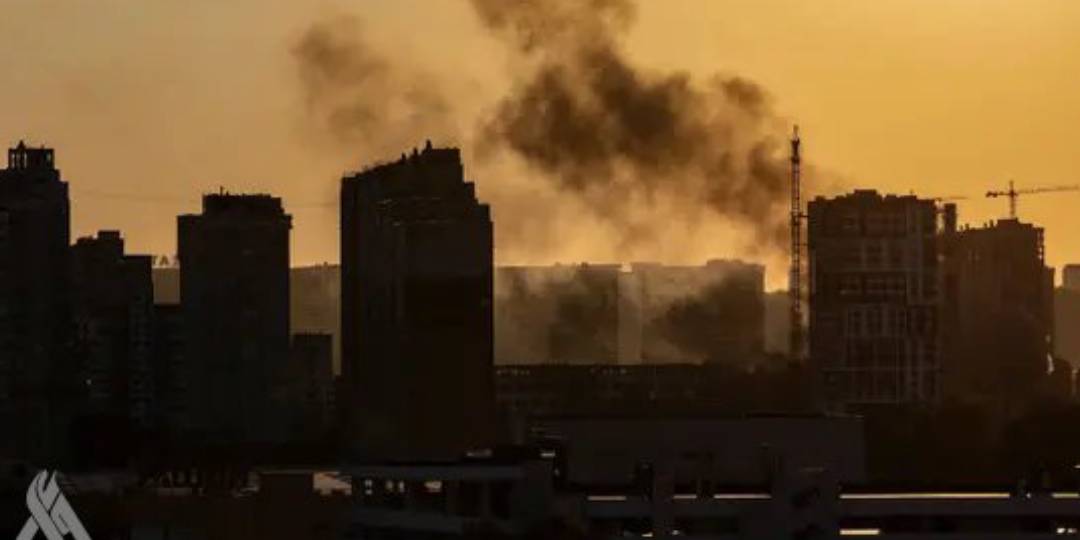

Escalating energy infrastructure strikes and retaliatory attacks against strategic logistics hubs have intensified across Eastern Europe, underscoring the growing vulnerability of vital fuel and industrial supply chains. The Russian Defense Ministry reported targeted drone assaults against Ukrainian ports, communications nodes, and vessels, while Ukrainian forces struck major oil refining facilities and defense industrial plants deep inside Russian territory.
Concurrently, US President Donald Trump declared that mounting friction with Iran will reach a definitive and rapid conclusion, asserting that the crisis will be resolved either through direct military conflict or a negotiated diplomatic framework. The convergence of persistent military targeting of refineries in Europe and heightened threats to Middle Eastern maritime trade corridors continues to exert pressure on international energy markets.
Energy Infrastructure Strikes Target Refineries and Defense Plants
According to official statements from Moscow, Russian armed forces deployed long-range unmanned aerial vehicles against military logistics centers, equipment depots, maritime ports, and communication facilities servicing the Ukrainian military, alongside strikes against logistical transport vessels.
In response, Ukrainian President Volodymyr Zelensky confirmed that Ukrainian air units conducted targeted strikes on Russian petroleum facilities located in the Krasnodar region. Zelensky further stated that two defense industrial production facilities situated in the Tula and Voronezh regions were directly hit during coordinated counter-strike operations.
Casualties and Severe Disruption to Vital Power Networks
Ukrainian authorities reported that sustained overnight barrages continuing into Monday morning resulted in at least two deaths and dozens of injuries among civilians, alongside structural damage to residential neighborhoods and municipal power grids.
Field reports confirm that tactical engagements are increasingly focusing on storage terminals, distribution networks, and refining capacity. With diplomatic negotiations deadlocked since early 2022, both sides continue targeting essential economic and energy infrastructure to diminish operational sustainment capabilities.
Strategic Assets Affected in Recent Engagements
– Petroleum refining complexes and fuel storage depots across Russia’s Krasnodar territory.
– Military manufacturing and defense industrial centers located in Tula and Voronezh.
– Ukrainian port facilities, communications infrastructure, and logistics distribution hubs.
– Transport vessels and maritime supply links supporting front-line operational requirements.
Trump Anticipates Swift Conclusion to Standoff With Tehran
Addressing reporters in remarks monitored by regional media outlets, US President Donald Trump stated that the geopolitical standoff surrounding Iran is rapidly nearing an endgame. He framed the outcome as an imminent choice between decisive military conflict and a formal agreement prohibiting Iranian nuclear development.
Trump reiterated Washington’s core objective of preventing Iranian acquisition of nuclear weapons capabilities, expressing confidence in US military superiority while asserting that resolving the confrontation would ultimately lower international fuel and energy costs.
Geopolitical Calculations and Energy Market Realities
Connecting regional military posturing with commodity price stability, Trump asserted that eliminating strategic threats to Gulf energy corridors would reduce price volatility across global markets.
In related diplomatic remarks, Trump characterized his recent bilateral discussions with China’s head of state as exceptionally productive, noting that the exchange reflected mutual respect and high-level strategic coordination amid compounding international crises.
Primary Drivers of Global Energy Supply Instability
– Reciprocal drone and missile assaults directly impacting refining capacity and fuel stockpiles in Eastern Europe.
– Heightened security risks facing commercial shipping and oil tankers operating in strategic Middle Eastern waterways.
– Persistent diplomatic impasses preventing comprehensive ceasefire agreements across active conflict theaters.
– Disruptions to international commodity distribution channels caused by regulatory constraints and trade sanctions.
Conclusion:
The ongoing targeting of fuel refining centers in Eastern Europe and sharp warnings of impending military or diplomatic resolution regarding Iran demonstrate how energy assets remain central to modern geopolitical confrontations. As long-range strikes continue testing the resilience of critical infrastructure, international markets remain acutely exposed to supply disruptions and strategic volatility.