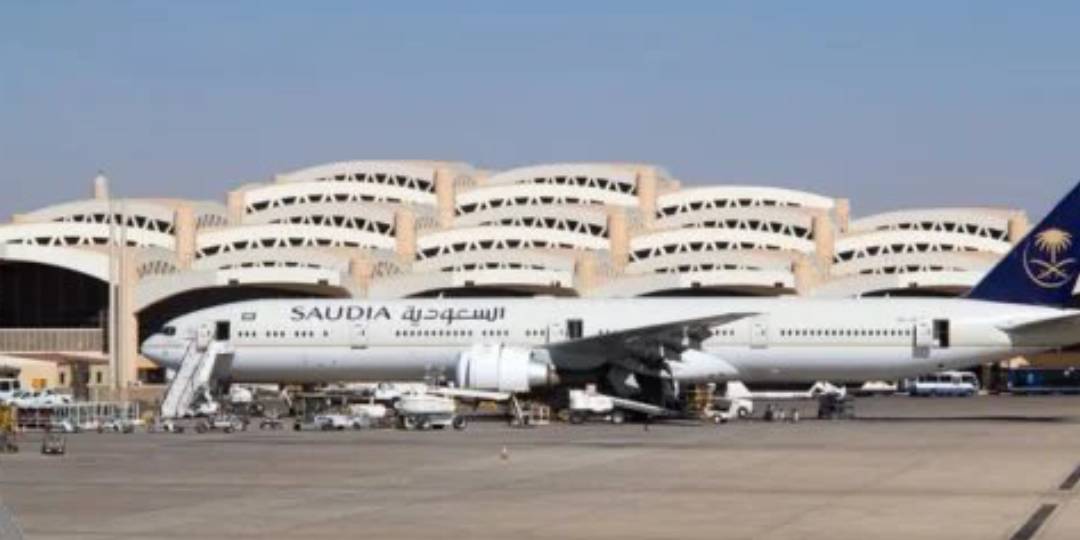

The Saudi General Authority of Civil Aviation (GACA) announced on Saturday, October 10, 2026, that several people were injured following an attack on King Khalid Airport in Riyadh that struck vital terminal facilities during the late afternoon. Authorities moved swiftly to temporarily suspend all flight operations across the international airport to evaluate physical damage, safeguard passenger terminals, and verify facility readiness before clearing aircraft movements.
The incident triggered immediate disruptions across regional and international air travel schedules, with Gulf carriers canceling scheduled services to and from the Saudi capital. Concurrently, diplomatic missions in Riyadh, including the United States and British embassies, issued urgent security warnings instructing their nationals to avoid the airport perimeter until official safety evaluations are finalized.
Scope of the Attack on King Khalid Airport in Riyadh and Operational Suspension
In an official communique broadcast by the Saudi Press Agency (SPA), GACA stated that the strike occurred during the afternoon hours and resulted in multiple injuries, which medical and emergency teams are currently tallying and treating. Aviation authorities emphasized that attacks targeting commercial air transport infrastructure represent a severe threat to civilian aviation safety and regional logistics networks.
The authority confirmed that all arriving and departing flights were put on hold to carry out mandatory technical inspections across runways, boarding lounges, luggage corridors, and ground support utilities in close coordination with state security agencies. Officials stated that updated situational briefs will follow as soon as technical teams finish their safety assessments.
Emergency Procedures and Immediate Airfield Protocols
– Activating standardized airport emergency contingency plans and clearing affected terminal areas.
– Mobilizing civil defense and rapid ambulance response units to provide medical triage and hospital transport for the injured.
– Suspending commercial landings and takeoffs while redirecting inbound international flights to regional alternate hubs.
– Conducting runway pavement inspections and electronic radar calibration sweeps to guarantee navigational integrity.
Western Diplomatic Missions Issue Urgent Avoidance Advisories
Following the incident, foreign embassies in Riyadh issued immediate safety alerts to protect their citizens. The United States Embassy in Riyadh stated that it was aware of active strikes targeting the airport and strongly advised American citizens to stay away from the terminal complex and surrounding highway corridors until further notice.
Similarly, the British Embassy in Riyadh released a separate advisory urging British nationals to avoid King Khalid International Airport following what it described as a serious incident. The embassy recommended that travelers monitor statements from local security officials and contact their respective airlines to verify itinerary changes.
Regional Flight Cancellations and Schedule Adjustments
The operational suspension prompted immediate schedule adjustments across Middle Eastern airlines to manage safety risks and support stranded passengers:
– Kuwait Airways announced the immediate cancellation of two scheduled commercial flights between Kuwait and Riyadh due to the airport closure and security conditions.
– Gulf and international air carriers activated crisis management desks to reroute long-haul aircraft toward secondary hubs in the Eastern Province.
– Transit passengers inside the airport were guided to safe departure concourses with refreshed access to customer service teams.
– Airlines opened rebooking hotlines to provide passengers with complimentary rescheduling, itinerary re-routing, and ticket refund options.
Security Implications for Middle Eastern Civil Aviation
The latest strike on the Saudi capital’s primary aviation hub follows strikes reported earlier in the week on airport facilities in Riyadh and Abha. The repeated disruption highlights compounding vulnerabilities facing commercial airspace across the Arabian Peninsula and emphasizes the need for strict international adherence to civil aviation protections.
Global aviation bodies consistently reiterate that international civil aviation assets must remain shielded from armed confrontations, as airports serve non-combatant travelers, medical transit cases, and vital civilian supply chains. Ongoing operational disruptions in strategic hubs risk driving up international air cargo rates, war-risk insurance premiums, and commercial travel expenses across the broader region.
Conclusion:
The confirmed attack on King Khalid Airport in Riyadh and the temporary shutdown of its flight operations illustrate significant operational and security challenges facing regional transport corridors. With damage assessments and casualty counts continuing, restoring regular international flight schedules remains dependent on technical safety verifications, comprehensive terminal security clearance, and ensuring complete protection for commercial passengers and aviation personnel.