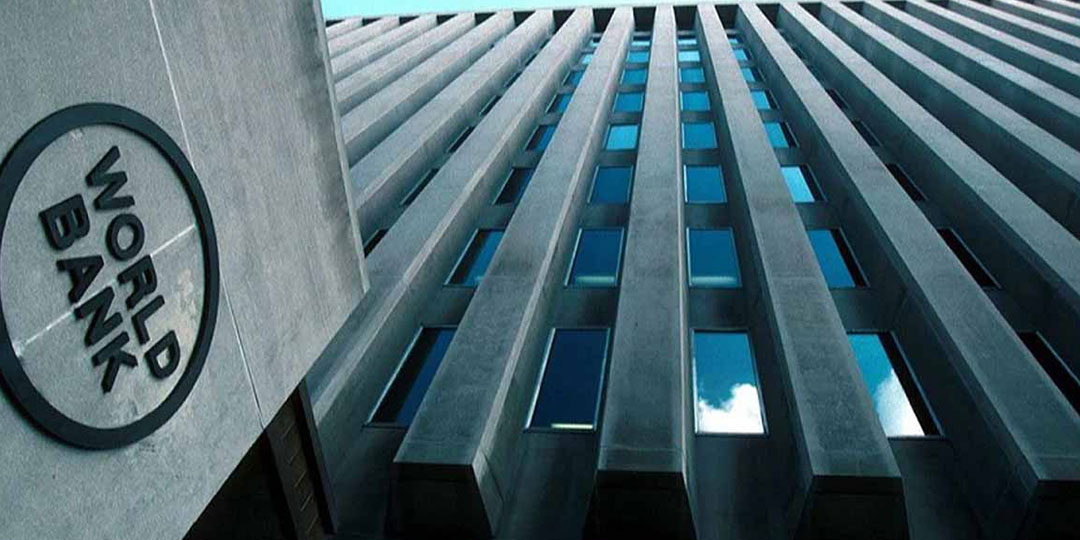

The World Bank warned Tuesday of a severe surge in energy prices expected to rise 24% during 2026, with commodity prices overall climbing 16%. The international financial institution attributed the dramatic increases to the ongoing war against Iran since February, which has created the largest oil supply shock in modern history. The Bank cautioned of cascading consequences for labor markets, development trajectories, inflation pressures, and economic growth worldwide, particularly threatening developing and vulnerable economies.
The World Bank projects energy prices will reach their highest levels since the 2022 Russian-Ukrainian war. The institution emphasized that attacks on energy infrastructure and disruptions to maritime navigation through the Hormuz Strait, which before the war handled 35% of global seaborne crude oil trade, have created unprecedented supply disturbances. The Bank forecasts average Brent crude at $86 per barrel in 2026, potentially climbing to $115 if energy installations sustain additional damage and export recovery delays extend beyond anticipated timelines.
World Bank’s Stark Energy Price Projections
The World Bank announced deeply concerning forecasts. The institution stated in its commodities outlook: “Energy prices are poised to rise 24% during the current year, reaching their highest levels since the Russian-Ukrainian war in 2022.”
The report continued: “This results from the severe shock caused by the war against Iran beginning last February.”
Historical Context and Magnitude
The projections demonstrate unprecedented severity:
- Current Increase: 24% in single year
- Highest Level: Since Ukrainian conflict 2022
- Largest Wave: In past four years
- Primary Cause: War on Iran
- Impact Classification: Largest oil supply shock ever recorded
Hormuz Strait Disruptions and Global Impact
The World Bank emphasized the critical importance of the strategic waterway. The report noted: “The Hormuz Strait previously carried 35% of globally seaborne crude oil trade before the war.”
The institution further stated: “Attacks on energy infrastructure and maritime navigation disruptions in the Hormuz Strait have created the largest oil supply shock on record.”
Scope of Disruption Effects
The disruption’s magnitude affects multiple dimensions:
- Trade Percentage: 35% of global seaborne oil commerce
- Disruption Type: Comprehensive and multifaceted
- Geographic Scope: Global rather than regional
- Severity: Unprecedented in modern economic history
- Duration: Continuing since February
Brent Crude Oil Price Forecasts
The World Bank provided specific price projections. The institution stated: “Average Brent crude oil price will reach $86 per barrel in 2026, up from $69 per barrel in 2025.”
Additionally: “Brent crude prices remained more than 50% higher in mid-April compared to levels at the beginning of the year.”
Multiple Pricing Scenarios
The projections encompassed varying scenarios:
Base Case Scenario:
- Average Brent: $86/barrel
- Foundation: Gradual return by October
- Assumption: Relative stability
Downside Scenario:
- Average Brent: $115/barrel
- Trigger: Additional facility damage
- Duration: Extended recovery delays
Broader Commodity Price Increases
Price increases extended beyond energy sector. The World Bank reported: “Commodity prices overall are poised to rise 16% in 2026, driven by increased energy and fertilizer prices.”
The report added: “Combined with primary metal prices reaching record levels.”
Components of Price Increases
Increases encompassed multiple sectors:
- Energy: 24% (primary driver)
- Fertilizers: 31% (sharp increase)
- Metals: Record levels
- Food Commodities: Expected pressure
- Other Goods: Rising pressures
Fertilizer Crisis and Urea Price Surge
The World Bank projected a severe fertilizer crisis. The institution stated: “Fertilizer prices are poised to rise 31% in 2026.”
The report continued: “Driven by a 60% jump in urea prices, the most widely used solid nitrogen fertilizer.”
Urea’s Importance and Price Impact Consequences
The significance of urea illustrates the impact:
- Global Usage: Most widely used globally
- Production Process: Natural gas conversion
- Price Increase: 60% surge
- Agricultural Impact: Affects crop productivity
- Consequence: Rising food prices worldwide
Inflation Pressures in Developing Economies
The World Bank projected mounting inflation pressures. The institution stated: “Average inflation in developing economies could reach 5.1% in 2026, up from 4.7% last year.”
The report added: “Representing a full percentage point increase above pre-war inflation expectations.”
Inflation Scenarios
Projections varied based on conflict continuation:
Base Case:
- Inflation Rate: 5.1% in developing economies
- Increase: 1% above pre-war baseline
- Foundation: Relative stability
Downside Case:
- Inflation Rate: 5.8% if war continues
- Increase: 1.7% above baseline
- Driver: Continued disruptions
Economic Growth Contraction Threats
The World Bank delivered concerning news regarding growth prospects. The institution stated: “Developing economy growth will reach approximately 3.6% in the current year, down from pre-war expectations of 4%.”
This represents a loss of 0.4 percentage points of expected growth.
Scale of Economic Damage
The figures illustrate the harm:
- Current Growth Expectation: 3.6%
- Pre-War Expectation: 4%
- Growth Loss: 0.4 percentage points
- Employment Impact: Millions of lost jobs
- Duration: Years of accumulated damage
Base Case Scenario and Assumptions
The World Bank outlined its primary scenario. The institution stated: “The base case assumes shipping volumes through the Hormuz Strait will gradually return to pre-war levels by October of the coming year.”
Base Case Scenario Requirements
The scenario depends upon:
- Security Stability: Reduced attack frequency
- Blockade Relief: Restored Iranian shipping
- Gradual Recovery: Not immediate
- Timeline: By October 2026
- Target Level: Near pre-war volumes
Escalation Risks and Downside Threats
The World Bank warned of worse scenarios. The institution cautioned: “Commodity prices could rise further if regional escalation intensifies and supply disruptions persist longer than expected.”
Potential Escalation Pathways
Risks encompassed multiple possibilities:
- Additional Attacks: On oil installations
- Strait Closure: Partial or complete
- War Expansion: Into other nations
- Delayed Stability: Beyond October timeframe
- Higher Prices: Exceeding $115/barrel
Disproportionate Impact on Developing and Vulnerable Nations
The increases create unequal effects. The World Bank noted developing economies face greater impact than advanced nations:
Impacts on Developing Nations:
- Higher inflation (5.1%-5.8%)
- Lower growth (3.6%)
- Increased poverty
- Higher unemployment
- Social instability
Impacts on Poorest Nations:
- Potential food shortages
- Humanitarian crises
- Possible famines
- Forced migration
- Political instability
Global Supply Chain Disruptions
The crisis affects supply chains extensively:
Maritime Commerce:
- Shipping delays
- Insurance cost increases
- Freight rate increases
- Logistics disruptions
Production:
- Potential shutdowns
- Component shortages
- Cost increases
- Productivity declines
Policy Recommendations and Possible Solutions
The World Bank implied recommendations addressing the crisis:
Short-Term Measures:
- Strategic petroleum reserve deployment
- Support for vulnerable nations
- Inflation management
Long-Term Solutions:
- Renewable energy investment
- Supply diversification
- Reduced regional dependence
Lessons From Previous Crises
Past economic shocks offer instructive lessons:
- 2008 Crisis: Global economic collapse
- 1973 Oil Crisis: Developing nation impact
- COVID-19 Pandemic: Supply chain disruptions
- Ukrainian War: Food and energy impacts
Regional and Global Implications
The crisis carries broader implications:
For Middle East Region:
- Economic disruption
- Humanitarian concerns
- Regional instability
- Investment flight
For Global Economy:
- Reduced growth rates
- Increased poverty
- Economic inequality
- Social tensions
Timeline for Potential Resolution
The World Bank’s base case timeline suggests:
Short Term (Next 6 Months):
- Continued elevated prices
- Ongoing disruptions
- Economic pressure mounting
Medium Term (6-12 Months):
- Gradual price decline
- Return toward stability
- Recovery beginning
Long Term (Beyond 12 Months):
- New equilibrium establishment
- Permanent price adjustments
- Structural changes possible
Conclusion:
The World Bank’s report underscores the severe economic consequences of the war on Iran for the global economy. Energy price surges of 24% and commodity increases of 16% signal a profound economic crisis approaching. Rising inflation and declining growth will produce widespread economic hardship, particularly devastating developing and poor nations where populations have minimal resilience to price shocks.
Resolution requires stabilization of the Middle Eastern region and restoration of normal oil flows through the Hormuz Strait. Diplomatic efforts to end the conflict are no longer optional but represent economic necessity of global proportions. Advanced economies and international organizations must prioritize rapid crisis resolution before economic damage becomes irreparable. The window for preventing catastrophic worldwide recession continues narrowing with each passing week of unresolved conflict.