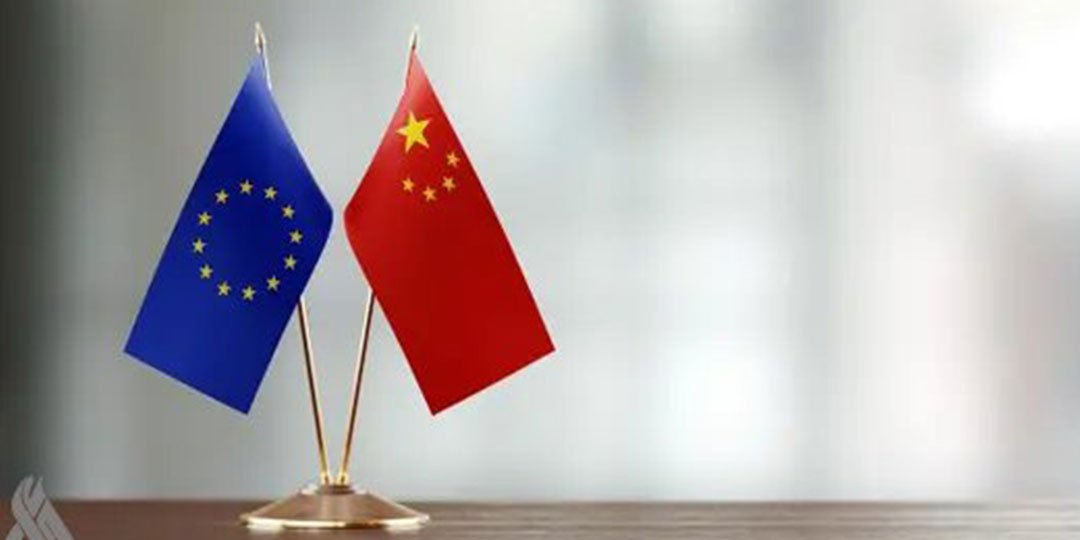

China sharply criticized the European Union’s “Made in Europe” initiative on Monday, warning it would take retaliatory measures if the plan proceeds. Beijing accused the EU scheme of systematic discrimination against Chinese companies and expressed “grave concerns” about the proposal. China’s Ministry of Commerce submitted formal objections to the European Commission, characterizing the initiative as protectionist measures that violate international trade principles and harm legitimate Chinese business interests.
The EU unveiled the new “Made in Europe” standards in March, establishing requirements for companies seeking public financing in strategic sectors including automotive, clean energy, and steel production. The plan mandates that beneficiary companies source a minimum threshold of components and spare parts from European Union manufacturers. China’s forceful response signals deepening trade tensions between Beijing and Brussels, potentially escalating into broader economic confrontation with global implications for international commerce and economic stability.
Details of the EU’s “Made in Europe” Initiative
The European Commission launched a comprehensive plan to support European industries. The initiative established: “New standards for ‘Made in Europe’ designation for companies seeking public financing in strategic sectors.”
The targeted sectors include:
- Automotive and vehicle manufacturing
- Clean energy and renewable energy production
- Steel and metal production
- Other strategic industrial sectors
Requirements and Implementation Mechanisms
The plan imposes specific conditions:
- Minimum Local Content: Specified percentage of components must originate from EU manufacturers
- Spare Parts Sourcing: Products must incorporate European-manufactured components
- Public Funding Condition: Requirement for accessing government support and subsidies
- European Preference: Favoring European companies and products in procurement
- Compliance Verification: Mechanisms to ensure adherence to standards
EU’s Strategic Objectives Behind the Plan
The initiative serves multiple economic goals. The European Commission stated: “Restore competitive advantage, reduce industrial decline, and prevent loss of hundreds of thousands of jobs.”
The plan addresses:
- Rising concerns about Chinese competitive pressure
- Fear of losing strategic industrial capacity
- Need to protect European employment
- Desire for economic self-sufficiency and autonomy
Broader Context of the Initiative
The plan emerges amid:
- Trade Tensions: Escalating disputes between EU and China
- Industrial Decline: European sectors facing intense Chinese competition
- Government Support: Concerns about massive Chinese government subsidies to companies
- Employment Fears: Anxiety about job losses to cheaper Chinese manufacturing
- Economic Independence: European desire for reduced dependence on China
China’s Official Position on the Proposal
China rejected the plan decisively. China’s Ministry of Commerce stated: “We submitted observations to the European Commission on Friday, expressing China’s grave concerns about this measure.”
China characterized the initiative as:
- “Systematic discrimination”
- “Violation of international trade law”
- “Unfair protection of European industry”
- “Restriction of free competition”
Chinese Arguments Against the Plan
China employs multiple arguments:
- Discrimination: Plan unfairly targets Chinese companies
- International Law: May violate World Trade Organization agreements
- Trade Freedom: Restricts free trade and fair competition
- Retaliation Risk: Will provoke Chinese response
- Economic Harm: Will damage commercial relationships
China’s Threat of Countermeasures
China issued explicit warnings of retaliation. The Ministry of Commerce declared: “If the EU proceeds with this legislation and thereby harms the interests of Chinese companies, China will have no choice but to take countermeasures to firmly protect the legitimate rights and interests of its companies.”
The threat signals Beijing’s determination to respond forcefully to what it views as protectionist measures threatening Chinese economic interests.
Potential Forms of Retaliation
Chinese countermeasures could include:
- Additional Tariffs: Increased duties on European products
- Import Restrictions: Partial or complete bans on European goods
- Economic Sanctions: Targeting specific European companies
- Trade Barriers: Restrictions on European exports
- Escalation of Trade War: Broader economic confrontation
European Companies’ Complaints About Chinese Competition
European firms have long objected to Chinese market practices. The European Commission noted: “European companies subject to the ‘Made in Europe’ proposal complain of unfair competition from heavily subsidized Chinese companies.”
Complaints focus on:
- Government Subsidies: Chinese government heavily supports domestic companies
- Predatory Pricing: Chinese companies sell below competitive prices
- Quality Standards: Absence of strict quality requirements
- Environmental Compliance: Lack of high environmental standards
- Labor Practices: Exploitation of cheap labor
Examples of Chinese Government Support
Chinese industrial support includes:
- Direct Subsidies: Government funding for companies
- Favorable Loans: Below-market interest rate financing
- Free Land: Provision of manufacturing sites
- Tax Exemptions: Reduced tax burdens
- Market Protection: Preferential access to Chinese markets
Broader Context of Trade Warfare
This confrontation reflects wider tensions. Global trade disputes include:
US-China Trade War:
- United States imposed tariffs on Chinese goods
- China retaliated with tariffs on American products
- Ongoing escalation in disputes
EU-China Commercial Tensions:
- Complaints about unfair trade practices
- Concerns about Chinese control of strategic sectors
- European efforts to protect domestic industries
Global Competitive Pressures:
- Multiple nations expressing concerns about Chinese practices
- Attempts to impose fair trade standards
- Competition for strategic sector dominance
Potential Economic Consequences
The dispute could have widespread impacts:
European Economic Effects:
- Escalation of commercial tensions
- Possibility of full-scale trade war
- Reduced European export volumes
- Consumer price increases
Chinese Economic Effects:
- Restricted export opportunities
- Reduced company profitability
- Slowed economic growth
- Potential recession
Global Economic Effects:
- Market instability
- Rising prices and inflation
- Reduced free trade
- Possible worldwide recession
Positions of Other Nations
Responses may differ among countries:
United States Position:
- Likely to support EU plan as part of China containment policy
- May benefit from restricted Chinese exports
Developing Nations Position:
- May oppose European industry protection
- May suffer from higher European product prices
Other Countries:
- May adopt similar protectionist measures
- May support EU position
Future Trajectory of the Dispute
Several scenarios are possible:
Positive Scenario:
- Parties reach compromise agreement
- Modified plan with reduced impact on Chinese firms
- Peaceful resolution of dispute
Negative Scenario:
- Plan approved without modifications
- Harsh Chinese countermeasures
- Comprehensive trade war
- Significant global economic damage
Moderate Scenario:
- Plan approved with limited modifications
- Calculated Chinese response
- Continued tension but managed conflict
- Limited economic impact
Lessons From Previous Trade Crises
Past disputes offer important lessons:
- US-China Trade War: Harmed both parties economically
- Brexit Crisis: Affected European trade relationships
- Previous Disputes: Demonstrated damage from trade wars
- Protectionism Costs: Economic consequences of trade barriers
WTO and International Trade Law Implications
The dispute raises legal questions:
- WTO Compliance: Whether plan violates trade agreements
- Discrimination Rules: Whether plan discriminates against non-EU companies
- Legitimate Objectives: Whether trade restrictions serve legitimate purposes
- Proportionality: Whether measures are proportionate to stated goals
- Dispute Resolution: Possible WTO legal proceedings
Impact on Supply Chains and Global Trade
The dispute affects international commerce:
Supply Chain Disruption:
- Companies may need to restructure sourcing
- Increased costs for compliance
- Reduced efficiency in production
- Higher prices for consumers
Global Trade Effects:
- Reduced cross-border commerce
- Higher barriers to international trade
- Increased complexity for multinational companies
- Reduced efficiency in global markets
Strategic Considerations for Both Sides
Each party must balance competing interests:
EU Considerations:
- Protect domestic industries and jobs
- Maintain international trade relationships
- Comply with WTO obligations
- Balance protectionism with free trade principles
Chinese Considerations:
- Protect economic interests of companies
- Maintain export markets
- Respond to perceived discrimination
- Balance retaliation with relationship preservation
Conclusion:
China’s threat of retaliation against the EU’s “Made in Europe” plan represents serious escalation in trade tensions between Beijing and Brussels. The EU’s initiative represents a legitimate effort to protect domestic industry and employment, yet risks triggering harsh Chinese countermeasures potentially damaging both economies and global commerce.
The challenge of balancing legitimate domestic industry protection with fair international trade remains fundamental. Without compromise, global markets could witness renewed trade warfare with extensive economic consequences. The coming weeks will determine whether constructive dialogue remains possible or whether trade confrontation will intensify with broader repercussions for international economic stability and global prosperity.