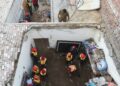


US-Israeli airstrikes targeted major Iraqi border crossings with Syria and Iran on Saturday, killing at least one person and wounding several government workers and civilians. The Popular Mobilization Forces announced the death of one of its fighters and injuries to four others in the strike on the Al-Qaim border crossing in western Anbar province, while Iranian reports indicated the nearby Shulamiya crossing between Iraq and Iran also came under attack.
These strikes form part of a sustained campaign of airstrikes attributed to US and Israeli forces on Iraqi territories since the broader regional war erupted on February 28. The attacks have drawn Iraq increasingly into the crossfire of a larger regional conflict, creating severe consequences for civilian populations, infrastructure, and the nation’s fragile security apparatus.
Attack on Al-Qaim Border Crossing
The Popular Mobilization Forces, a coalition established in 2014 to combat the Islamic State, announced it came under attack in a formal statement. According to the announcement, “At 05:10 Baghdad time, the 45th Brigade, belonging to the Hezbollah Brigades faction, was targeted in a US-Israeli aggression at the border crossing in Al-Qaim district, Anbar province.”
The strike resulted in the death of one Popular Mobilization Forces fighter and injuries to four others, in addition to one Ministry of Defense employee wounded. Al-Qaim, located in western Iraq near the Syrian border, is a strategically significant area that has experienced considerable military activity since the beginning of regional escalation.
The Popular Mobilization Forces and Iran-Aligned Factions
The Popular Mobilization Forces comprises both official military units integrated into Iraq’s armed forces and independent armed factions aligned with Iranian influence. The Hezbollah Brigades, the faction targeted in Saturday’s strike, operates within this latter category of Iran-backed armed groups that maintain considerable operational autonomy from formal military structures.
Shulamiya Border Crossing Strike
Simultaneously with the Al-Qaim attack, a separate strike targeted the Shulamiya border crossing between Iraq and Iran, where the commercial checkpoint came under fire. According to Iran’s Khuzestan Province Deputy Governor, Walilah Hayati, “At 11:00 AM, the commercial crossing at the border in Khorramshahr, southwest of the country, was targeted in an aerial attack carried out by American and Israeli enemies.”
The Shulamiya strike killed one Iraqi truck driver and wounded two Iranian workers. From the Iraqi side, Head of Border Crossings Authority Omar Al-Waeli confirmed “one martyr and five wounded” as a result of the direct targeting of civilian facilities near the passport control area of the crossing.
Civilian Damage and Economic Impact
The strikes caused direct damage to purely civilian infrastructure at both crossings, including passport offices and commercial terminals. Iraqi authorities halted trade and passenger movement at Shulamiya crossing as a precaution. Reports indicate civilian infrastructure was deliberately targeted, underscoring how Iraqi border regions have become entangled in the broader regional conflict.
The Wider Context of War and Escalation
Since the outbreak of war on February 28 following a US-Israeli attack on Iran, Iraq has witnessed continuous military escalation. Airstrikes attributed to US and Israeli forces have systematically targeted positions of the Popular Mobilization Forces and Iran-allied armed factions across Iraqi territory.
In response, Iraqi factions operating under what they call the “Islamic Resistance in Iraq” conduct daily attacks using armed drones and missiles against what they describe as “enemy bases” across Iraq and the region. This tit-for-tat exchange reflects a dangerous level of escalation that has turned Iraq into a key arena of the broader regional conflict.
Attacks on Oil Fields and Military Positions
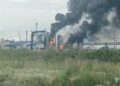
The targeting has extended beyond military installations and border facilities. Strikes have also hit Iraqi oil fields operated by foreign companies, including American firms, forcing most to suspend operations as a precautionary measure. On Saturday morning alone, two drones struck the Bargisiya oil complex in Basra (southern Iraq), which houses multiple foreign energy companies, sparking a fire in the facility.
Official Positions and Government Response
The day before the strikes, the US Embassy in Baghdad shifted responsibility, stating that “the Iraqi government has been unable to prevent terrorist attacks that occur within Iraqi territory or are launched from it” since the outbreak of war.
Iraq’s government pushed back. Iraq’s Ministry of Foreign Affairs declared that Baghdad “is exerting maximum effort to prevent any escalation and maintain internal stability while protecting diplomatic missions and foreign interests,” and affirmed its commitment to “take all necessary measures to ensure Iraqi territory is not used as a launching point for any hostile actions.”
Security Cooperation and Government Commitments
Baghdad and Washington announced a week before the strikes that they would “intensify security cooperation” aimed at preventing attacks on Iraqi security forces and American interests. Yet the continued strikes suggest persistent challenges in implementing these shared security commitments on the ground.
Conclusion:
The US-Israeli strikes on Iraqi border crossings and their deadly consequences underscore the mounting pressure Iraq faces as a collateral battleground in the broader regional conflict. The targeting of civilian infrastructure and commercial crossings directly undermines Iraq’s economic stability and security. Baghdad faces an intricate balancing act between maintaining national sovereignty and preventing Iraqi territory from becoming a war theater, while managing relationships with regional and international allies. The coming months will reveal whether the Iraqi government can contain military escalation that threatens national security and stability.