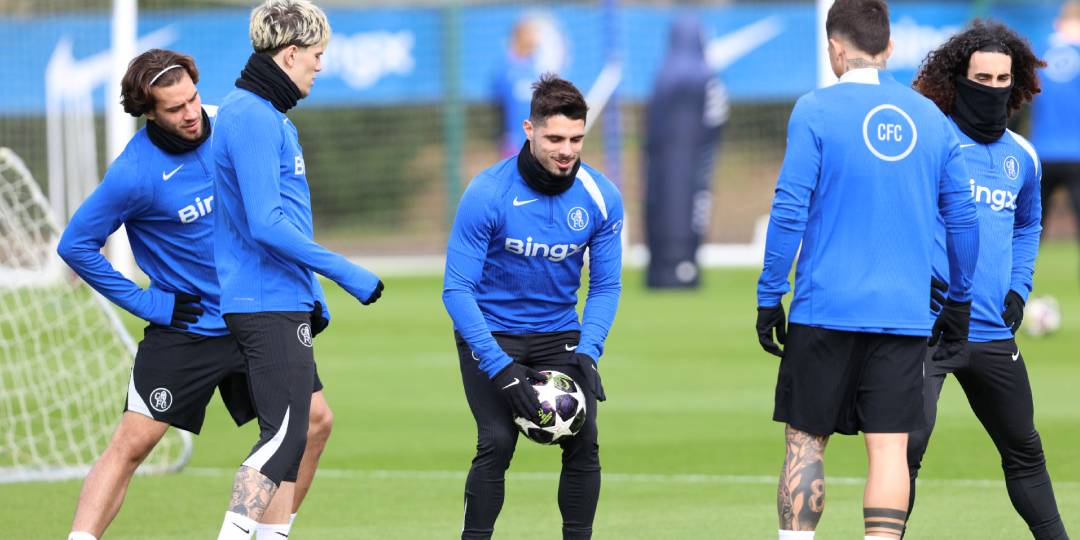

The English Premier League announced substantial penalties against Chelsea Football Club on Monday, March 16, 2026, including a £10.75 million fine and a one-year transfer ban with suspended execution, for serious violations of Premier League regulations. The sanctions stem from secret and undisclosed payments made to agents and third parties during the 2011-2018 period when Russian billionaire Roman Abramovich owned the London club. Additionally, Chelsea faces an immediate nine-month ban on registering youth academy players, discovered through due diligence conducted by new American owners led by businessman Todd Boehly upon their purchase of the club in 2022.
The investigation revealed that Chelsea made secret payments totaling £47.5 million to agents and other individuals between 2011 and 2018, conducted with the knowledge and approval of senior club officials and former managers. The Premier League’s decision reflects increasing regulatory scrutiny of financial practices in English football and demonstrates commitment to enforcing compliance standards even against major clubs.
Secret Payments of £47.5 Million Over Seven Years
Investigations by the Premier League established that Chelsea made undisclosed payments totaling £47.5 million to agents and other third parties throughout the 2011-2018 period under Abramovich’s ownership. These payments were directed to unregistered agents and other individuals without proper disclosure or formal accounting procedures, constituting deliberate circumvention of league transparency requirements.
The payments were made with full knowledge and approval of senior club personnel and former managers, indicating an organizational pattern rather than isolated incidents. This finding suggests a systematic approach to player recruitment and agent compensation outside normal regulatory channels.
Nature and Scope of Violations
The Premier League concluded that the period between 2011 and 2018 witnessed “undisclosed payments from third parties connected to Chelsea, directed to players, unregistered agents and others.” The breadth and consistency of these violations over a seven-year period indicate a deliberate strategy rather than inadvertent compliance failures.
However, the Premier League noted that inclusion of these payments in the club’s historical financial statements would not have resulted in breaches of Financial Fair Play and profitability rules. This qualification suggests the violations were primarily concerning transparency and disclosure rather than materially affecting the club’s financial sustainability.
Transfer Ban and Suspended Execution
A significant component of the penalties involves a one-year transfer ban preventing Chelsea from registering new players, though this ban operates “with suspended execution” for two years. This structure means Chelsea may avoid enforcement if it complies with specific conditions during the next two years, providing conditional relief contingent upon future conduct.
Youth Academy Registration Prohibited
The Premier League imposed an immediate ban on Chelsea registering players to its youth academy for nine months. This sanction addresses player registration violations between 2019 and 2022, indicating that problematic practices may have continued beyond Abramovich’s ownership period or represented legacy issues from his tenure.
Chelsea’s youth academy represents a critical source of player development for the club, making this nine-month prohibition a significant impact on the organization’s long-term player pipeline and development strategy.
Mitigating Factors and Self-Reporting
Premier League officials cited “Chelsea’s proactive self-reporting, admission of violations and exceptional cooperation” as mitigating factors when determining penalty levels. In essence, Chelsea’s decision to self-disclose violations rather than conceal them contributed to reducing the severity of sanctions imposed by the league.
Cooperation with Authorities
The new American owners self-reported violations to the Premier League, the English Football Association, and UEFA. This proactive disclosure reflects deliberate efforts by the new ownership to demonstrate compliance with regulations and distance the club from predecessor management’s questionable practices.
Additional Charges from English Football Association
The English Football Association also brought charges against Chelsea comprising 74 alleged breaches of FA rules, connected to information provided by the new owners. These figures underscore the pervasiveness of violations and irregular practices throughout the Abramovich tenure.
Comprehensive Investigation Scope
The investigations cover multiple dimensions of the club’s financial and administrative operations, indicating that violations extended beyond purely financial matters to encompass broader organizational and administrative practices.
Historical Context: The Abramovich Era
Roman Abramovich owned Chelsea from 2003 until sale to American owners in May 2022, following Russia’s invasion of Ukraine and international sanctions imposed on the Russian billionaire. The Abramovich era became notorious for massive spending on players and substantial club investments, though apparently accompanied by questionable financial practices and regulatory circumvention.
The 2011-2018 Period
The investigation’s specific focus on 2011-2018 targets the final decade of Abramovich’s ownership. This defined period may reflect specific practices or concentrated evidence available for these years, or may indicate particular problematic conduct during this interval.
Chelsea’s Response to Sanctions
Chelsea announced “full acceptance of settlement terms” and welcomed the Premier League’s recognition of the club’s assistance in the investigation. This position reflects the organization’s desire to move forward and focus on future regulatory compliance under American ownership.
Potential Sporting Impact
The transfer ban may affect Chelsea’s sporting performance in the upcoming season, particularly preventing squad reinforcement through new player acquisitions. The youth academy ban similarly impacts the club’s player development plans and long-term player pipeline strategy.
Premier League’s Message Against Financial Violations
These sanctions represent a strong statement from the Premier League that it will not tolerate financial violations and incomplete disclosure, even from major established clubs like Chelsea. This action occurs within the context of the league’s efforts to enforce stricter financial standards and maintain financial integrity within English football.
Broader Regulatory Framework
The enforcement action demonstrates the Premier League’s commitment to financial governance and regulatory compliance across all member clubs, establishing precedent that violations will result in substantial consequences regardless of club size or historical prominence.
Transition Under American Ownership
The new American ownership structure, implemented in 2022 under Todd Boehly’s leadership, appears committed to regulatory compliance and financial transparency. The self-reporting of violations suggests a deliberate break from predecessor practices and alignment with modern football governance standards.
Future Compliance Expectations
Going forward, Chelsea operates under enhanced scrutiny and conditional sanctions. The two-year suspended execution period establishes a monitoring framework where the club’s future behavior will determine whether additional penalties activate.
Conclusion:
The Premier League’s substantial penalties against Chelsea represent a watershed moment in English football’s enforcement of financial regulations. By penalizing a major club with historic prominence for systematic undisclosed payments, the league establishes that financial compliance and transparency requirements apply universally. Chelsea’s acceptance of sanctions and self-reporting under American ownership suggests a deliberate organizational pivot toward regulatory compliance. The case demonstrates that even established clubs cannot operate outside regulatory frameworks without consequence, potentially encouraging industry-wide improvements in financial governance and transparency standards. Whether these sanctions deter similar violations at other clubs or represent an isolated case will merit continued observation of Premier League enforcement patterns.