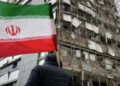
The death toll from the Middle East conflict that began February 28 has surpassed 3,700 confirmed casualties across the region, with updated figures revealing Lebanon’s toll at 773 dead, Iran reporting between 1,200 to 1,825 deaths, and Iraq documenting at least 46 killed. The expanding casualty count reflects the geographic breadth and intensity of sustained military operations across two and a half weeks of conflict. Simultaneously, the war’s economic ripple effects have extended to Africa, where fuel shortages could reduce continental economic growth by up to three percentage points if the conflict persists beyond two months.
Iran’s military claimed it has destroyed 111 enemy drones since the conflict began, asserting air defense effectiveness despite reports of extensive destruction of Iranian air defense systems and missile production facilities. The claims of Iranian defensive success contrast sharply with independent reports of casualties mounting across the region and displaced populations exceeding three million in Iran alone.
Updated Casualty Figures Across the Middle East
Updated casualty figures released Friday reveal the expanding death toll across the Middle East:
Iran: Iran’s health ministry reported on March 8 that more than 1,200 people had been killed, including around 200 women and 200 children under age 12, with more than 10,000 civilians injured. However, the US-based Human Rights Activists News Agency (HRANA) provided higher estimates on March 11, reporting at least 1,825 people killed, including 1,276 civilians among them at least 200 children, plus 197 military personnel and 352 people whose casualty classification remained unconfirmed.
The disparity between official Iranian figures and independent monitors reflects access and verification challenges in Iranian territory subject to reporting restrictions that prevent AFP independent verification of casualty sites.
Lebanon: Lebanon reported Friday that at least 773 people had been killed since March 2, including 103 children, during fighting between Israeli forces and Hezbollah. The Lebanese army confirmed three of its soldiers have been killed, while Hezbollah has not announced its casualty figures.
Gulf Region: Authorities in Gulf Cooperation Council states and US Central Command reported 26 people killed, with 11 being civilians and the remainder military or security personnel including seven US service members. Kuwait reported six deaths: two soldiers, two border guards, and two civilians including an 11-year-old girl. The UAE reported six deaths: four civilians and two military personnel from a helicopter crash. Saudi Arabia and Bahrain each reported two civilian deaths. Oman reported three deaths including a mariner lost at sea and two others in a drone attack on an industrial area.
Israel: Israel reported 14 total deaths, with 12 killed by Iranian missile fire including four minors, and two soldiers killed in combat operations in southern Lebanon.
Iraq: Armed groups and officials documented at least 46 deaths in Iraq, including a French soldier killed by an Iranian drone in Kurdistan. The US military reported a refueling aircraft crashed in western Iraq killing six crew members in an incident not caused by hostile fire. Pro-Iran armed factions reported 32 Iran-backed fighters killed in strikes attributed to the US and Israel. Kurdish groups reported five Iranian Kurdish militants killed in strikes attributed to Iran.
Jordan and Syria: Jordan reported 14 injuries from falling debris with no deaths confirmed. Syria reported eight injuries from falling debris.
Iran Claims 111 Drones Destroyed; Defense Effectiveness Disputed
Iran’s Revolutionary Guard claimed it has destroyed 111 enemy drones since the war began, with the Sepah News portal reporting destruction of an MQ-9 over Fars province and another aircraft in Tabriz. However, the military did not provide breakdown of how many were cheap, one-way explosive drones versus sophisticated multi-use aircraft such as the MQ-9.
The claim of defensive success stands in tension with documented reports of extensive destruction to Iranian air defense infrastructure and missile production facilities from US-Israeli strikes. Expert analysis suggests the drone claims may reflect Iranian capability to defend against specific threats while acknowledging broader air defense system degradation across the country.
Implications of Drone Defense Claims
If accurate, the 111 drones claimed destroyed would represent significant Iranian defensive achievement against the scale of reported US and Israeli air operations. However, the absence of detailed breakdown regarding drone types and origins complicates independent verification of claims. The disparity between claimed defensive success and reported destruction of Iranian air defense systems suggests either redundant Iranian capabilities or selective success against specific threat categories.
African Economic Crisis: Fuel Shortages Threaten 3 Percentage Point GDP Loss
The Middle East conflict’s economic consequences extend to Africa, where fuel shortages could reduce continental economic growth by up to three percentage points if the war persists beyond two months, according to Geoffrey Aori, CEO of the Regional Association of Energy Regulators for Eastern and Southern Africa.
Aori stated that most African countries could already expect one to two percentage points less GDP growth than previously forecast for 2026 due to the war’s impact. The African Development Bank had forecasted Africa’s economy would expand 4.3 percent in 2026, meaning the conflict could reduce growth to 2.3-3.3 percent or lower if prolonged.
Cascading Economic Impacts Across Africa
Rising fuel costs from the conflict “will affect everything: freight prices, docking fees, tourism, food, transport and factories,” according to Aori. The impact extends beyond energy prices to broader inflationary pressures affecting every sector of African economies dependent on imported fuel.
The timing creates acute vulnerability for African nations: most African countries maintain fuel reserves for only 15-25 days, compared to the International Energy Agency standard of 90 days. Aori cited his home country Kenya as example, which maintains only 20 days of reserve capacity and relies on fuel shipments arriving within 30-day intervals to maintain supply.
Kenya’s government promises fuel supplies until the end of April only through rationing and bans on exports to neighboring countries, creating tension between maintaining domestic supplies and regional cooperation.
Mitigation Strategies and Long-Term Solutions
African governments must implement immediate fuel rationing and subsidies to cushion inflation and currency depreciation impacts, though such measures are unsustainable beyond a few weeks according to Aori. Long-term solutions require investment in alternative energy sources including hydrogen and methanol production, expanded electric vehicle adoption, and continental refinery construction.
However, such infrastructure investments run into billions of dollars while African countries face competing development priorities and heavy debt burdens. Aori characterized the Middle East conflict as a “wake-up call” for African over-reliance on imported oil and the necessity for energy diversification.
Strait of Hormuz Blockade Impact on Global Supply Chains
The effective standstill of shipping through the Strait of Hormuz, through which approximately one-fifth of global crude oil and liquefied natural gas normally transit, has created cascading supply disruptions affecting economies worldwide. Oil prices surged past $100 per barrel during the week as shipping disruptions persisted.
African nations dependent on petroleum imports face the most acute impact from supply disruptions and price spikes, given limited alternative suppliers and constrained refinery capacity on the continent.
Broader Regional and Global Humanitarian Context
The expanding casualty toll of 3,700+ dead represents only confirmed deaths documented by official sources. Independent monitors suggest higher figures, with HRANA documentation in Iran alone exceeding government figures by over 600 deaths. Displaced populations exceed 3.2 million in Iran alone, with hundreds of thousands displaced in Lebanon and Iraq.
The humanitarian crisis encompasses both direct combat casualties and indirect impacts from infrastructure destruction, disrupted supply chains, and economic collapse affecting access to food, medicine, and essential services across affected populations.
Conclusion:
The updated casualty toll exceeding 3,700 confirmed deaths across the Middle East, combined with Iran’s claims of 111 drones destroyed and projections of up to 3 percentage point GDP losses for African economies, demonstrates how the conflict has evolved from regional military confrontation into a global humanitarian and economic crisis. With fuel shortages threatening African growth, displaced populations numbering in the millions, and casualty figures continuing to mount, the two-and-a-half-week-old conflict shows no signs of de-escalation absent significant diplomatic breakthrough or military stalemate recognition.